Garden Courtyard
Kuala Lumpur, Malaysia
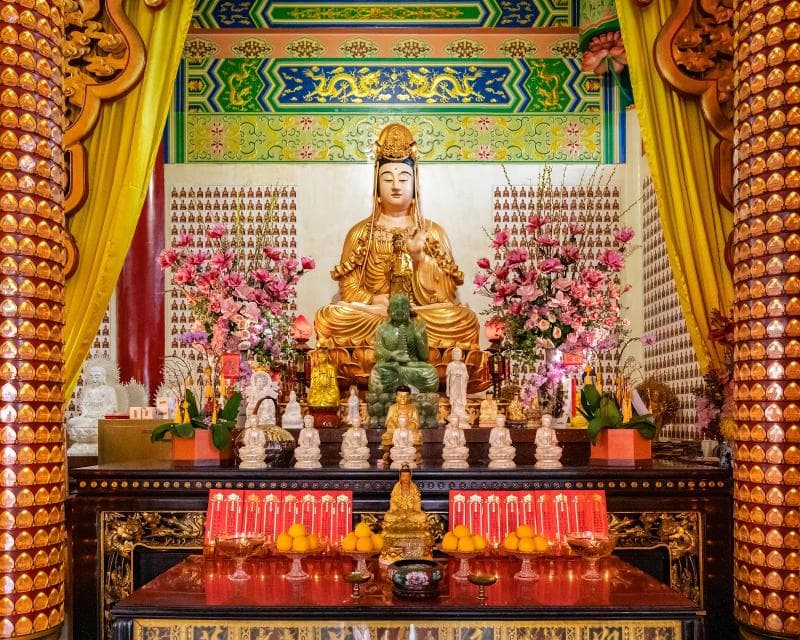
Explore the serene Garden Courtyard of Thean Hou Temple in Kuala Lumpur, Malaysia, featuring zodiac statues, herbal gardens, and a vibrant lantern display.
Overview
Nestled within the sprawling and majestic Thean Hou Temple in Kuala Lumpur, Malaysia, are a collection of serene and vibrant outdoor spaces often referred to collectively as the Garden Courtyard. These areas offer a tranquil counterpoint to the temple's magnificent architectural grandeur, inviting visitors to pause, reflect, and immerse themselves in a blend of natural beauty and profound cultural symbolism. From elaborately decorated lantern courtyards that burst with color during festivals to peaceful gardens dedicated to herbal remedies and zodiac lore, these spaces are integral to the temple's spiritual and aesthetic appeal. They provide an 'oasis' of calm away from the city's hustle and bustle, making the Thean Hou Temple a truly multifaceted destination.
History & Cultural Background
The Thean Hou Temple, inaugurated in 1989, was built by the Hainanese community in Kuala Lumpur to honor Thean Hou, the Goddess of the Sea, also known as Mazu. The temple also pays homage to the Goddess of Mercy, Guanyin, and the Goddess of the Waterfront, Shuiwei Shengniang. Its construction, which began in 1981, established it as one of the largest and most impressive temples in Southeast Asia. More than just a place of worship, the temple serves as a vital cultural hub, blending elements of Buddhism, Taoism, and Confucianism within its intricate design. Historically, Chinese temples and clan associations were central to fostering community ties among immigrants in new lands. The creation of such harmonious outdoor spaces, including gardens and courtyards, reflects a deep-rooted tradition in Chinese culture where nature and spirituality are intrinsically linked, offering a place for contemplation and communion with the divine. These spaces extend the temple's function beyond formal prayer halls, making it a living, breathing cultural landscape.
What Makes It Special
The Garden Courtyard, as a collective of outdoor spaces, stands out for its thoughtful integration into the temple's multi-tiered structure, creating a seamless transition from ornate interiors to calming natural settings. What makes it truly special is the harmonious blend of traditional Chinese garden design with significant cultural elements. Here, visitors encounter a Chinese Zodiac Garden, featuring statues of all twelve animal signs, each offering insights into personality traits. There is also a dedicated Chinese medicinal herb garden, showcasing the practical and historical applications of traditional remedies. Adding to the allure is a tortoise pond, a popular spot for children and a symbol of longevity in Chinese culture. The decorative courtyards, particularly the main lantern courtyard, are renowned for their breathtaking displays of hundreds of red and gold lanterns. These vibrant decorations transform the area into a visually stunning spectacle, especially during festive seasons, enhancing the temple's reputation for its unique blend of tradition and visual splendor. The thoughtful arrangement of these distinct garden elements ensures that every turn offers a new discovery, reflecting both aesthetic beauty and profound cultural meaning.
Stories, Fun Facts & Local Details
Beyond their visual appeal, the gardens and courtyards at Thean Hou Temple are rich with stories and local significance. A delightful aspect for many visitors is locating their birth year's animal in the Chinese Zodiac Garden, often pausing for a photo with their corresponding statue. The presence of the tortoise pond, teeming with these long-lived creatures, evokes traditional Chinese beliefs in longevity and good fortune. Perhaps the most enchanting feature is the main lantern courtyard. During major Chinese festivals like Chinese New Year and Mid-Autumn Festival, this area is spectacularly illuminated by thousands of lanterns, creating a magical atmosphere that attracts countless visitors and photographers. This vibrant setting is not merely decorative; it's a popular venue for cultural events, gatherings, and even serves as a picturesque backdrop for wedding solemnizations and pre-wedding photoshoots, highlighting its role as a space for celebration and new beginnings. Another intriguing architectural detail is the 'Moon Gate,' a circular opening often found in classical Chinese gardens, symbolizing passage and completeness. The temple's Moon Gate leads to a statue of Guan Yin, inviting a moment of reflection as one passes through.
Visitor Perspective
For visitors exploring Thean Hou Temple, the Garden Courtyard areas offer a peaceful and enriching experience. It's a place where one can truly slow down and appreciate the cultural charm of the temple beyond its main prayer halls. Many describe it as an 'oasis' providing a welcome escape from the bustling city of Kuala Lumpur. The open spaces, combined with the often-breezy hilltop location, provide cooler temperatures, especially in the mornings, making it a pleasant area to explore. The gardens are wheelchair accessible, ensuring that everyone can enjoy their beauty. While photography is encouraged due to the temple's photogenic nature, visitors are always reminded to be respectful of worshippers and maintain a quiet demeanor, particularly in more sacred areas. Whether seeking a moment of quiet contemplation, a vibrant backdrop for memories, or simply an understanding of Chinese culture and symbolism, the diverse garden and courtyard spaces at Thean Hou Temple provide an unforgettable and deeply engaging experience for every curious traveler.
Coordinates: 101.68778, 3.12167
View on Google Maps💬 How Travelers Describe This Place
Based on community votes
Unique
953Must See
695Interesting
658Photogenic
69Beautiful
22
Traveler Stories
Discover memorable experiences shared by travelers who have visited this place.
No traveler stories yet.
Be the first traveler to share what made this place memorable.

Tour
By
Spot
Discover amazing places around the world. Your journey starts here.
Explore
© 2026 TourBySpot. All rights reserved.