Garden Area
Skopje, North Macedonia
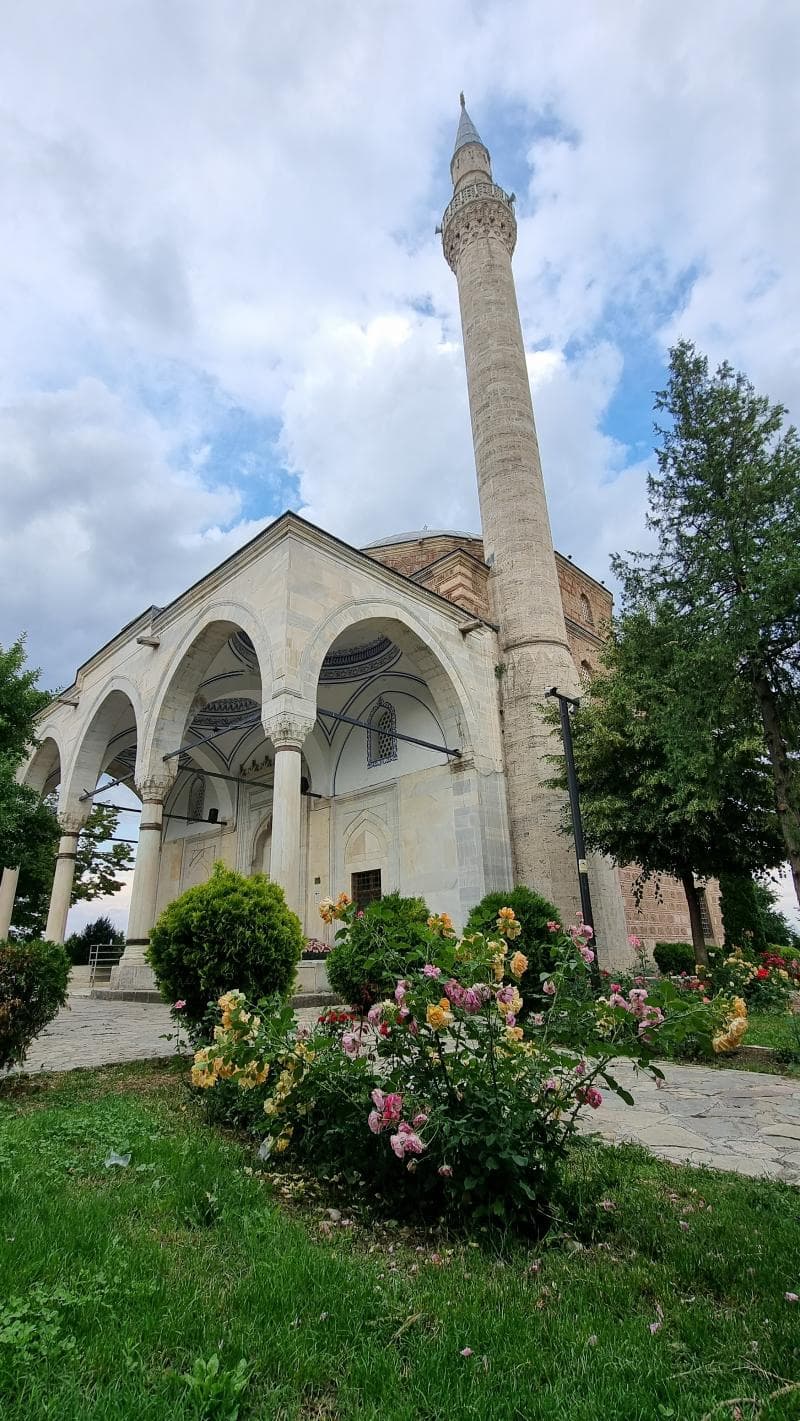
Discover the tranquil Garden Area at Mustafa Pasha Mosque in Skopje, North Macedonia. Explore its peaceful rose garden, rich history, and panoramic city views.
Overview
Nestled within the historic grounds of the Mustafa Pasha Mosque in Skopje, North Macedonia, lies a serene Garden Area, a tranquil oasis offering respite from the city's lively pace. This beautifully maintained space is often referred to as a rose garden, particularly vibrant during the warmer months. It forms an integral part of the mosque complex, which stands majestically on a plateau overlooking the Old Bazaar and offering panoramic views of Skopje. The garden provides visitors with a peaceful setting to reflect, appreciate the surrounding Ottoman architecture, and connect with centuries of history. It serves not only as a place of natural beauty but also as a quiet preamble to the mosque's spiritual and architectural grandeur.
The Mustafa Pasha Mosque itself is a prominent symbol of Ottoman heritage in Skopje, constructed in 1492 by Çoban Mustafa Pasha, a vizier under Sultan Bayezid II and Sultan Selim I. The mosque's well-preserved architecture, including its elegant dome and minaret, makes it a significant landmark. The Garden Area, with its fragrant roses and well-kept pathways, complements the mosque's historical and aesthetic value, inviting travelers to linger and soak in the atmosphere.
History & Cultural Background
The Garden Area is inextricably linked to the rich history of the Mustafa Pasha Mosque complex, an enduring testament to Ottoman influence in the Balkans. Built in 1492, the mosque was part of a much larger külliye, or complex, that originally included a caravanserai (an inn for travelers), a madrasa (an Islamic school), an imaret (a communal soup kitchen), and a mekteb (an elementary school). While most of these ancillary structures have not survived the passage of time, the mosque, its türbe (mausoleum), and the stone sarcophagus of Mustafa Pasha's daughter, Umi, remain, surrounded by the tranquil garden.
The presence of a garden, especially a rose garden, within an Ottoman mosque complex is culturally significant. Gardens in Islamic tradition often symbolize paradise, offering a contemplative space that reflects harmony, order, and beauty. The careful cultivation of roses, a flower deeply cherished in Islamic poetry and art, adds another layer of cultural meaning. This particular garden provides a tangible link to the mosque's founder, Mustafa Pasha, whose own türbe and the sarcophagus of his daughter are situated within these hallowed grounds. The site has undergone renovations, with a significant five-year restoration funded by the Turkish government concluding in 2011, ensuring its continued preservation.
What Makes It Special
The Garden Area of the Mustafa Pasha Mosque stands out for several compelling reasons. Foremost among these is its role as a peaceful sanctuary in the heart of a bustling city. Stepping into the garden, visitors are immediately transported to a place of quiet contemplation, a stark yet harmonious contrast to the vibrant energy of the Old Bazaar below. The well-kept gardens, particularly the famed rose garden, are a delight for the senses, especially during bloom, filling the air with delicate fragrances.
Furthermore, the garden offers exceptional panoramic views of Skopje. From its elevated position, one can gaze across the tiled roofs of the Old Bazaar, over the Vardar River, and towards the modern city skyline. This visual connection between the historic and contemporary aspects of Skopje provides a unique perspective on the city's evolution. It's a prime spot for photography, capturing the mosque's architectural splendor against the backdrop of the city. The garden also physically embodies the historical depth of the complex, housing the mausoleum of Mustafa Pasha and the sarcophagus of his daughter Umi, making it a place of remembrance and historical continuity.
Stories, Fun Facts & Local Details
While specific 'fun facts' directly about the garden itself are scarce, its existence within such a historic and active religious site offers a wealth of meaningful cultural details. The rose garden, beautiful in the warmer months, can be seen as a living testament to Ottoman aesthetic principles, where nature and architecture are designed to coexist in serene beauty. It is a tangible echo of the sophisticated urban planning of the era, where religious complexes were often self-contained communities with facilities for worship, education, charity, and rest.
A notable detail is that the mosque complex still functions as an active Sunni mosque, hosting daily prayers and community services. This means the Garden Area is not merely a historical relic but a vibrant part of contemporary life in Skopje, used by locals and visitors alike. The presence of a traditional fountain within the grounds further highlights the historical and cultural commitment to providing essential amenities within sacred spaces, often serving as a place for ablution before prayer. The enduring peacefulness of the garden, despite the mosque's prominent position near the Kale Fortress and the busy Old Bazaar, speaks to the intentional design of creating sanctuaries from the outside world.
Visitor Perspective
For the curious traveler, the Garden Area at the Mustafa Pasha Mosque offers an experience that is both visually rewarding and emotionally enriching. It's an ideal spot to begin or end a visit to the mosque, allowing for a moment of calm before or after exploring the intricate interiors. Many visitors find the gardens to be a quiet place to pause and reflect, away from the typical tourist hustle. It provides a perfect vantage point for enjoying the architectural details of the mosque from the outside, including its elegant dome and minaret, and appreciating the Ottoman-era craftsmanship.
Allowing 45-60 minutes to leisurely explore the mosque, its interiors, and to walk through the fragrant rose garden is usually sufficient to absorb the ambiance and take in the panoramic views. The gardens offer excellent photo opportunities, particularly of the mosque itself and the sprawling cityscape. When planning a visit, it's worth noting that while the mosque is accessible daily, non-Muslim visitors are welcome outside of prayer times, and modest attire is required for entry into the prayer hall, with shoes removed. The public nature of the grounds means the garden is always welcoming, providing a beautiful space to simply sit, relax, and appreciate the convergence of history, culture, and nature in Skopje.
Coordinates: 21.435417, 42.00194
View on Google Maps💬 How Travelers Describe This Place
Based on community votes
Beautiful
915Interesting
873Photogenic
422Must See
123Unique
53
Traveler Stories
Discover memorable experiences shared by travelers who have visited this place.
No traveler stories yet.
Be the first traveler to share what made this place memorable.

Tour
By
Spot
Discover amazing places around the world. Your journey starts here.
Explore
© 2026 TourBySpot. All rights reserved.