Garden Area
Bali, Indonesia
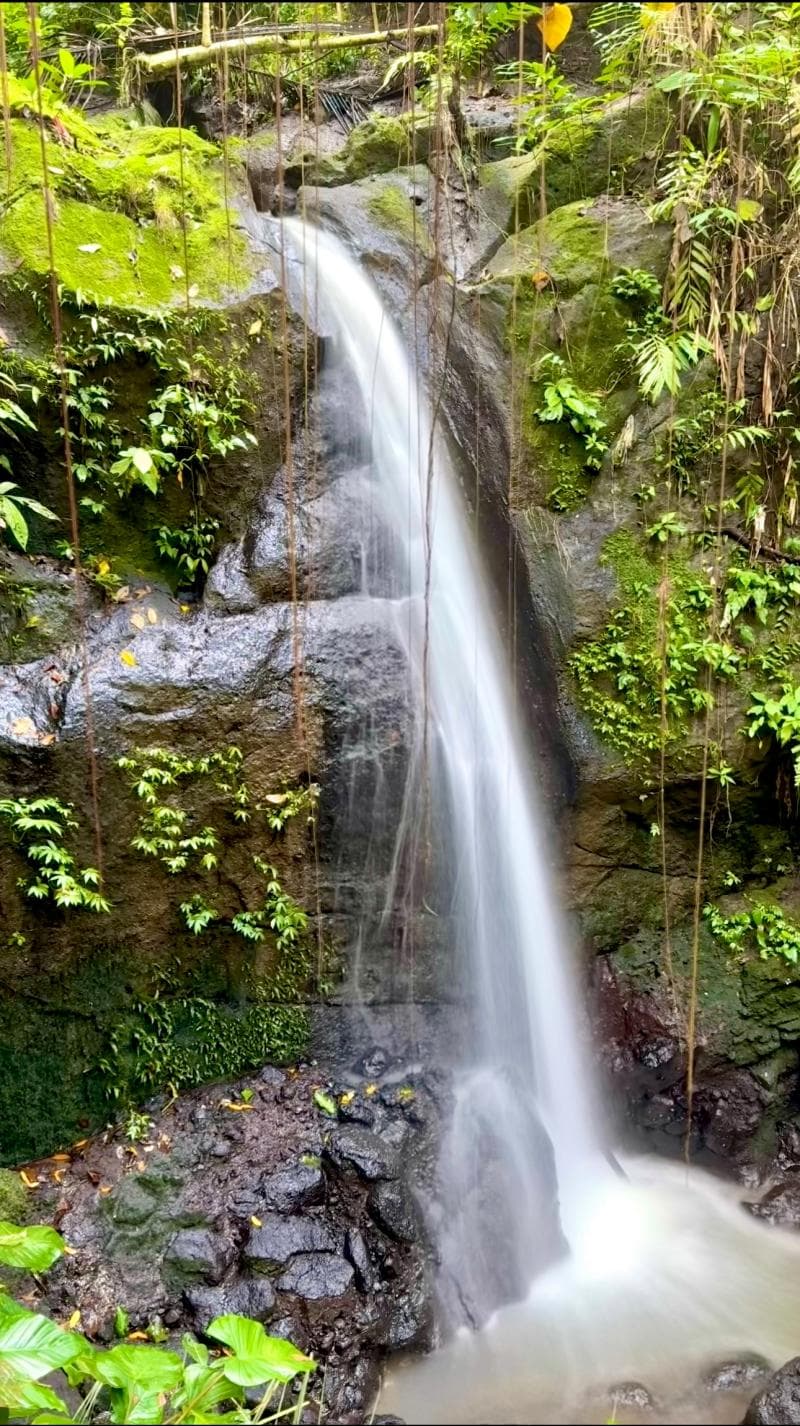
Explore the sacred Garden Area of Elephant Cave (Goa Gajah) in Bali, Indonesia, with its ancient bathing pools, Hindu-Buddhist relics, and lush surroundings.
Overview
Nestled in the lush, verdant landscapes of Bedulu Village, near Ubud in Bali, Indonesia, lies Goa Gajah, famously known as the Elephant Cave. While the main draw is often the enigmatic cave entrance, the extensive outdoor complex, affectionately referred to as the 'Garden Area' by many, is a captivating realm of ancient spiritual practices, natural beauty, and historical intrigue. This archaeological site, dating back to the 9th to 11th centuries, offers a serene escape, inviting visitors to wander through its sacred grounds, explore ancient bathing pools, and connect with centuries of Balinese heritage.
The 'Garden Area' of Goa Gajah isn't a formally demarcated section but rather encompasses the beautifully integrated natural and man-made elements surrounding the cave. It features intricate stone carvings, tranquil pathways, remnants of historical structures, and the soothing sounds of flowing water, all set within a predominantly jungle-like environment. This area was once a bustling center for spiritual contemplation and purification rituals, evident in its well-preserved features.
History & Cultural Background
Goa Gajah's origins are deeply rooted in Bali's ancient past, serving as a significant spiritual sanctuary. Historical evidence suggests it was a hermitage for both Hindu Shivaite priests and Buddhist monks, a rare blend of religious traditions that highlights Bali's diverse spiritual evolution. The site's existence is believed to trace back to the Warmadewa Dynasty, a prominent Balinese Hindu kingdom.
The term 'Goa Gajah' translates to 'Elephant Cave,' though paradoxically, no elephants ever inhabited Bali naturally. Theories suggest the name either derives from the old name of the nearby Petanu River, 'Lwa Gajah' (Elephant River), or from the stone statue of the elephant-headed Hindu deity, Ganesha, found within the cave.
A significant discovery within the 'Garden Area' was the excavation of the ancient bathing pools in 1954 by Dutch archaeologists. These pools were buried for centuries until their rediscovery shed light on the site's extensive use for ritual purification. The presence of both Hindu and Buddhist relics across the site, including stupas and chattra by the river, underlines the syncretic spiritual environment that once thrived here.
What Makes It Special
What truly sets the 'Garden Area' of Goa Gajah apart is its harmonious integration of historical reverence with natural splendor. Beyond the imposing cave mouth, the grounds unfold into a spiritual landscape designed for contemplation and purification. The centerpiece of this external complex is undoubtedly the 'Petirtaan' or ancient bathing pools. These rectangular pools are adorned with six (originally seven) stone statues of Hindu angels or nymphs, known as Widyadara-Widyadari, each holding a waterspout.
These figures symbolize the seven holy rivers of India, emphasizing the pools' sacred function in ritual cleansing before entering the cave for meditation. The constant flow of water creates a serene ambiance, allowing visitors to feel the ancient spiritual energy of the place. The 'Garden Area' also features a rich collection of old stone carvings and relics, some restored, providing glimpses into the artistic and religious craftsmanship of ancient Balinese civilization.
Furthermore, the entire complex is situated on a hillside where two small streams meet, forming a 'campuhan' or river junction. This confluence was considered a sacred location, enhancing the site's spiritual significance and providing a natural, tranquil backdrop to the archaeological treasures.
Stories, Fun Facts & Local Details
Local folklore adds a layer of mystique to Goa Gajah. One popular tale attributes the creation of the cave to the fingernail of the legendary giant Kebo Iwa, a figure prominent in Balinese mythology. While a charming story, archaeological evidence points to the cave being meticulously carved by human hands for spiritual purposes.
The imposing, carved face at the cave's entrance, often described as menacing or demonic, is believed to serve a protective function, warding off evil spirits. Some interpret it as the Hindu earth god Bhoma, or even the child-eating witch Rangda from Balinese mythology. This fierce guardian sets a dramatic tone for the spiritual journey within.
Today, Goa Gajah remains a living temple, actively used by local Balinese Hindus for worship and ceremonies. Daily offerings of flowers, rice, and incense are placed by devotees, ensuring the centuries-old sacred atmosphere endures. Visitors might witness traditional ceremonies, especially during the full moon of Sasih Kapat (around September or October), which are often accompanied by traditional Balinese dances and gamelan music.
Visitor Perspective
Exploring the 'Garden Area' of Goa Gajah offers a deeply immersive experience for the curious traveler. After descending a flight of stone steps, visitors are greeted by the relic-filled courtyard and the majestic bathing pools, a stark contrast to the imposing cave entrance. The serene atmosphere invites quiet reflection, allowing one to imagine the ancient priests and monks who once sought enlightenment here.
Beyond the main cave and pools, pathways wind through lush tropical gardens, leading to smaller shrines, moss-covered stone carvings, and sometimes even a small waterfall or views of rice paddies. The southern end of the complex reveals remnants of Buddhist stupas near the Petanu River, showcasing the site's dual religious heritage in a tranquil setting.
While the cave itself is relatively small, the true grandeur of Goa Gajah often lies in its expansive and peaceful outdoor environment. It's a place where history, spirituality, and nature intertwine, offering a quiet insight into Bali's rich cultural tapestry. Respectful attire is required, with visitors often provided with a sarong to wear over shorts or skirts, honoring the sacredness of this ancient site.
Coordinates: 115.28785, -8.52291
View on Google Maps💬 How Travelers Describe This Place
Based on community votes
Interesting
791Photogenic
514Unique
457Beautiful
252Must See
19
Traveler Stories
Discover memorable experiences shared by travelers who have visited this place.
No traveler stories yet.
Be the first traveler to share what made this place memorable.

Tour
By
Spot
Discover amazing places around the world. Your journey starts here.
Explore
© 2026 TourBySpot. All rights reserved.