Gansevoort Woodland & Southern Entrance
New York, United States
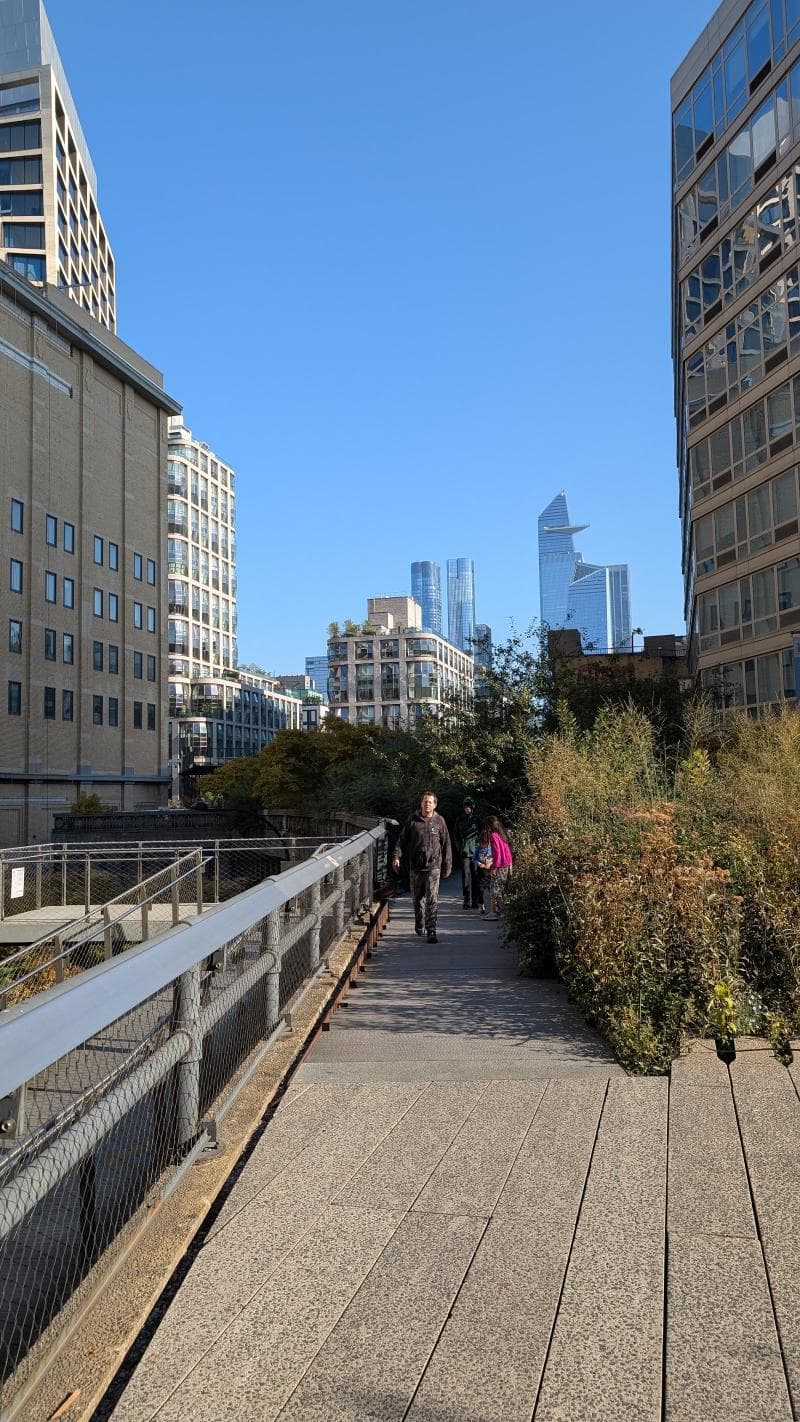

Explore the serene Gansevoort Woodland & Southern Entrance, the lush starting point of the High Line in New York, United States. Discover its history and unique design.
Overview
The Gansevoort Woodland & Southern Entrance serves as the vibrant starting point to New York City's renowned High Line, an elevated urban oasis transformed from a historic railway. Situated at Gansevoort Street in the dynamic Meatpacking District, this entrance offers visitors a unique transition from the bustling city streets into a tranquil, linear park suspended above Manhattan. It is particularly known for its lush, shaded woodland and its convenient accessibility, including an elevator for ease of entry.
As the southernmost tip of the High Line, it provides an ideal entry point for those wishing to embark on a northbound journey along the park, leading to iconic views and diverse sections of horticulture and public art. Adjacent to the Whitney Museum of American Art, this area is a cultural and botanical gateway, seamlessly blending nature, history, and contemporary city life.
History & Cultural Background
The story of the High Line, and by extension its Gansevoort Woodland & Southern Entrance, is one of remarkable urban renewal. Originally constructed in 1934, the High Line was part of the West Side Improvement Project, an ambitious infrastructure initiative designed to lift dangerous freight trains off the streets of Manhattan's then-industrial West Side. This elevated railway facilitated the transport of goods, including meat and produce, directly into factories and warehouses, helping to alleviate the perilous conditions on what was notoriously known as 'Death Avenue'.
By the 1950s, the rise of interstate trucking led to a decline in rail traffic, and the last train, famously carrying a load of frozen turkeys, ran in 1980. For years, the structure lay abandoned and derelict, a 'post-industrial ruin' reclaimed by nature, facing threats of demolition. However, a grassroots effort by local residents, who formed the 'Friends of the High Line' in 1999, successfully advocated for its preservation and transformation. The first section, from Gansevoort Street to West 20th Street, ultimately opened to the public in June 2009, bringing to life a visionary park inspired by the wild, self-seeded landscape that had naturally flourished on the abandoned tracks.
What Makes It Special
The Gansevoort Woodland stands out for its distinctive horticultural design and unique urban context. Formally known as the Donald Pels and Wendy Keys Gansevoort Woodland, it features a lush grove of gray birch and serviceberry trees, creating a serene, shaded canopy. The design incorporates raised planting beds, allowing for deeper soil than typically found elsewhere on the High Line, which supports a wider variety of plant life, particularly shade-tolerant species like redbuds, Pennsylvania sedge, and perennial bluestar.
This section is particularly picturesque in the autumn when the foliage transforms into a vibrant display of colors. Cascading wisteria and clematis tumble over raised steel planters, adding a dynamic, tiered aesthetic and bursts of color. The Gansevoort Woodland provides a contemplative atmosphere, where the sounds of the city subtly fade into the rustling leaves, offering a peaceful retreat at the very edge of the park.
Stories, Fun Facts & Local Details
The transformation of the High Line from a forgotten railway to a world-renowned park is a testament to community vision and innovative design. The design philosophy, often termed 'agri-tecture,' intentionally blends agricultural and architectural elements, allowing plants to 'emerge' through the paving in a way that mimics the spontaneous growth observed during its abandoned years. When first rediscovered, the derelict tracks hosted over 160 species of plants, a natural legacy that heavily influenced the park's carefully curated horticulture, which now includes approximately 400 species.
A fun detail at the Gansevoort end is its immediate proximity to the historic Meatpacking District, a neighborhood that has retained some of its cobblestone streets and industrial architecture, providing a striking visual contrast to the verdant park above. The southern terminus also features the Tiffany & Co. Foundation Overlook, offering expansive views over this historic district and the Hudson River, connecting visitors visually to the area's past and present.
Visitor Perspective
For visitors, the Gansevoort Woodland & Southern Entrance offers a captivating welcome to the High Line. Climbing the steps or taking the elevator transports one into a surprisingly quiet and green space, a stark contrast to the lively streets below. The shaded woodland provides an immediate sense of calm and escape, making it a perfect spot for reflection or a leisurely start to a longer walk.
As you stroll through this section, you'll encounter the distinctive design elements, such as the original railway tracks often integrated into the planting beds, serving as poignant reminders of the High Line's industrial past. The proximity to the Whitney Museum makes it an ideal complement to a day of art and culture. With restrooms and accessible entry available, this southern gateway ensures a comfortable and inviting experience for all who come to explore New York's park in the sky.
Coordinates: -74.0088, 40.7397
View on Google Maps💬 How Travelers Describe This Place
Based on community votes
Beautiful
556Interesting
470Photogenic
410Unique
254Must See
145
Traveler Stories
Discover memorable experiences shared by travelers who have visited this place.
No traveler stories yet.
Be the first traveler to share what made this place memorable.

Tour
By
Spot
Discover amazing places around the world. Your journey starts here.
Explore
© 2026 TourBySpot. All rights reserved.