Gamle Bergen Museum
Bergen, Norway
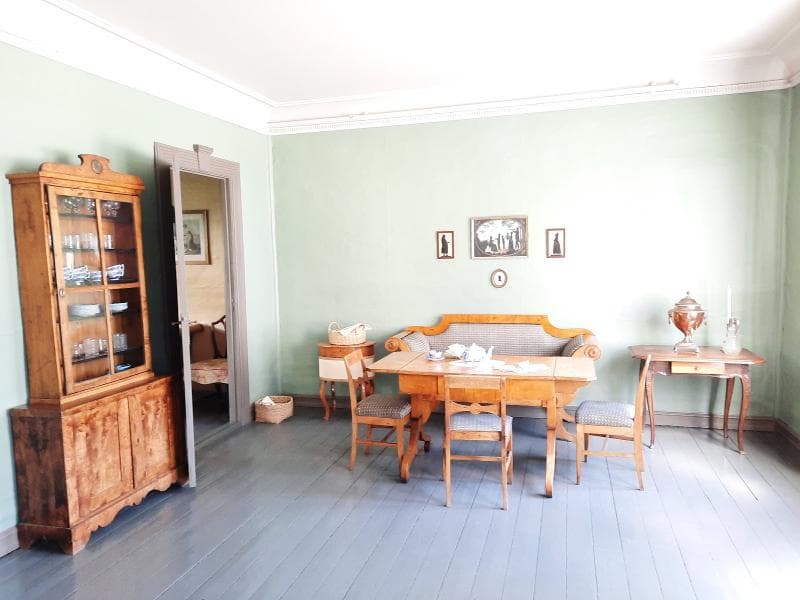
Explore Gamle Bergen Museum, an open-air village showcasing 18th and 19th-century life in Bergen, Norway. Discover historic homes, costumed actors, and Norwegian heritage.
Overview
Gamle Bergen Museum, known simply as Old Bergen, offers a captivating journey back in time, presenting itself as an authentic open-air reconstruction of urban life in Bergen, Norway. Situated just a short distance from the bustling city center, this unique museum showcases a collection of approximately 50 to 55 original wooden houses, primarily dating from the 18th and 19th centuries, with some from the early 20th century. These historic structures were painstakingly relocated to the museum site to safeguard them from demolition, a consequence of city modernization and Bergen's long history of devastating fires. As part of the City Museum of Bergen, it provides visitors with an immersive experience, allowing them to wander through cobblestone streets and narrow alleys, peeking into—and often entering—buildings that once formed the vibrant heart of Norway's second-largest city.
History & Cultural Background
Bergen, historically a bustling trading hub, was once Europe's largest wooden city, characterized by its densely packed timber architecture. However, this beautiful urban landscape was perpetually vulnerable to widespread fires, which repeatedly reshaped the city's appearance. Recognizing the imperative to preserve this irreplaceable heritage, the Old Bergen Foundation (also referred to as the Old Bergen Association) was established, leading to the museum's official opening in 1949.
The museum's creation was a monumental effort of cultural preservation. Between 1945 and 1981, buildings threatened by urban development were carefully dismantled, transported, and meticulously reassembled on the museum grounds. The core of the museum developed around 'Elsesro,' an elegant late 18th-century summer estate built by the renowned shipbuilder Rasmus Rolfsen. This commitment to preserving Bergen's architectural traditions has resulted in a unique 'city within a city,' reflecting the lives of various social classes, from wealthy merchants and officials to skilled craftsmen and humble sailors.
What Makes It Special
Gamle Bergen stands apart as a 'living museum,' where history doesn't just sit behind ropes but actively unfolds around you. During the peak season, the museum truly comes alive with costumed actors portraying the historical inhabitants of Bergen. These engaging characters — whether a baker, a lady of the manor, or a diligent civil servant — interact with visitors, perform short theatrical scenes, and offer charming glimpses into the daily routines and social customs of the 18th and 19th centuries.
Beyond the lively interactions, the authenticity of the buildings themselves is a major draw. These are not mere replicas; they are original homes and businesses, each carefully restored with period-appropriate interiors. Visitors can step inside these historically furnished dwellings, exploring exhibitions that bring to life the unique atmosphere of a bygone era. Furthermore, the museum encompasses not just residential buildings but also a range of workshops and shops—including a bakery, a watchmaker's shop, and even a dentist's office—providing a comprehensive picture of a functional historical town.
Stories, Fun Facts & Local Details
The estate of 'Elsesro,' which forms the picturesque backdrop of Gamle Bergen, holds a touching story; its name, meaning 'Else's Peace,' was given by Rasmus Rolfsen in honor of his wife, Elsebe. This personal touch underlies the rich tapestry of human stories woven throughout the museum. Visitors might encounter tales of the resilient Bergeners who rebuilt their city after countless fires, or hear about the daily challenges and triumphs of ordinary families. One poignant detail is that some of the houses at Gamle Bergen were rescued after being damaged by a German freight ship explosion in Bergen Harbour in 1944, highlighting the museum's critical role as a 'safe haven' for these threatened structures.
For a taste of local culinary history, a visit to the museum's café or kiosk offers the chance to try traditional Norwegian 'skillingsboller,' delicious cinnamon buns that have been a local favorite for centuries. Families will appreciate the opportunities for children to engage in traditional old-fashioned games on the square or explore the serene English-style garden and park area. These details collectively offer a meaningful cultural experience, allowing visitors to connect with Bergen's past on a deeply personal and sensory level.
Visitor Perspective
A visit to Gamle Bergen Museum typically requires about two to three hours to fully appreciate the various houses, exhibitions, and interactions with the costumed actors. If you plan to enjoy the café or attend special performances, allocating half a day would be ideal. While the outdoor grounds and park are accessible year-round, the interior of the museum buildings are generally open during the summer season, which usually runs from mid-May to mid-August or mid-September.
Getting to Gamle Bergen is convenient. It's a short journey from Bergen's city center and can be reached by several bus lines, such as routes 3, 4, 12, 16E, or 19. For a more scenic approach during the summer, consider taking the charming 'Beffen' ferry from the fish market, which offers a pleasant ride along the water. While parking is limited, public transport options make the museum easily accessible. It's worth noting that due to the historic nature of the buildings and cobbled pathways, wheelchair access can be limited, particularly within the houses themselves. The museum also features a well-stocked museum shop for souvenirs and a welcoming café for refreshments.
Coordinates: 5.3159184, 60.4079865
View on Google Maps💬 How Travelers Describe This Place
Based on community votes
Must See
995Unique
839Beautiful
388Interesting
289Photogenic
141
Traveler Stories
Discover memorable experiences shared by travelers who have visited this place.
No traveler stories yet.
Be the first traveler to share what made this place memorable.
Things to see at Gamle Bergen Museum



Tour
By
Spot
Discover amazing places around the world. Your journey starts here.
Explore
© 2026 TourBySpot. All rights reserved.