Cobblestone Streets
Bergen, Norway
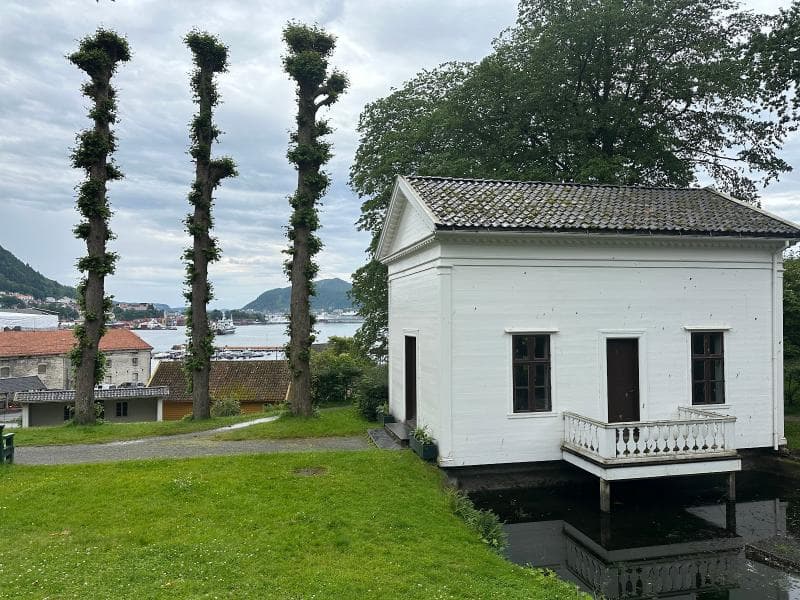
Explore the charming cobblestone streets of Gamle Bergen Museum in Bergen, Norway. Step back in time to 18th and 19th-century life.
Overview
Stepping onto the cobblestone streets of Gamle Bergen Museum in Bergen, Norway, is like taking a vivid journey back in time. This unique open-air museum meticulously reconstructs and preserves the urban environment of 18th and 19th-century Bergen, offering visitors an authentic glimpse into the city's past. The charm of its narrow, winding lanes, paved with original cobblestones, immediately transports you to an era of horse-drawn carriages and bustling markets. It's more than just a collection of buildings; it's a living, breathing testament to Bergen's rich history and architectural heritage, especially notable for its dedication to showcasing the city's distinctive wooden houses and the daily life that unfolded within their walls and along these historic pathways.
History & Cultural Background
Gamle Bergen, meaning 'Old Bergen,' was founded in 1949 with a crucial mission: to save Bergen's unique wooden buildings from demolition. Bergen, a city predominantly constructed from wood, was frequently ravaged by devastating fires throughout its history. By the early 20th century, rapid modernization and urban expansion further threatened these historical structures. Cultural historian Kristian Bjerknes and other like-minded individuals spearheaded the effort to relocate and rebuild these authentic houses at the museum site. Between 1945 and 1981, approximately 50 to 55 original wooden houses, dating from the 18th, 19th, and early 20th centuries, were carefully moved from various parts of central Bergen to this dedicated location. The museum was built around the historic Elsesro summer estate, initially owned by shipbuilder Rasmus Rolfsen. This effort preserved an invaluable piece of heritage, recreating a 'city within a city' that reflects what Bergen looked like when it was considered Europe's largest wooden city.
What Makes It Special
The true magic of Gamle Bergen lies in its profound authenticity. These are not replicas but original buildings, each meticulously dismantled, transported, and rebuilt, offering an unparalleled look into the past. The cobblestone streets are a focal point, inviting visitors to wander through narrow alleys that wind between the closely spaced wooden houses. This immersive environment allows you to step inside many of these homes and public buildings, exploring interiors furnished precisely as they once were. You can discover everything from grand merchant residences to the humble dwellings of artisans and public officials, gaining insight into different social classes and their daily lives. During the summer season, the museum truly comes alive with actors in period costumes performing short plays and interacting with visitors, bringing the history of these streets and houses vividly to life.
Stories, Fun Facts & Local Details
Bergen's recurring fires meant that preserving its wooden architecture was a continuous battle. Gamle Bergen serves as a 'safe haven' for these buildings, each carrying its own story of survival and relocation. Walking these cobblestone paths, one can imagine the vibrant city life of old, filled with the sounds of tradesmen, the chatter of residents, and the occasional creak of wooden planks. The museum features a range of historical shops and workshops; you might peek into an old bakery, a glazier's house, a merchant's shop, or even a historic dentist's office, showing the commercial life of centuries past. This attention to detail creates a vivid picture of Bergen's cultural life, allowing a deeper understanding of how people lived and worked two hundred years ago. The interactive elements, especially the costumed interpreters, often share personal 'stories' of their characters, enriching the visitor's experience with a sense of genuine connection to the past.
Visitor Perspective
A visit to Gamle Bergen Museum is a deeply engaging experience, appealing to all ages. As you navigate the charming cobblestone streets, you're encouraged to explore at your own pace, soaking in the atmosphere of a bygone era. Many visitors find themselves spending hours simply wandering, peeking into windows, and imagining life in these historic surroundings. For those looking to fully immerse themselves, allowing two to three hours for a leisurely stroll and exploration is recommended, while half a day provides ample time to engage with the theatrical performances and relax in the park area. The museum successfully transforms a historical collection into an accessible and evocative journey, making the cobblestone streets not just a path, but a portal to Bergen's enduring heritage.
Coordinates: 5.311154, 60.417932
View on Google Maps💬 How Travelers Describe This Place
Based on community votes
Interesting
996Must See
658Unique
585Photogenic
143Beautiful
69
Traveler Stories
Discover memorable experiences shared by travelers who have visited this place.
No traveler stories yet.
Be the first traveler to share what made this place memorable.

Tour
By
Spot
Discover amazing places around the world. Your journey starts here.
Explore
© 2026 TourBySpot. All rights reserved.