Gallery Of Modern Art
Florence, Italy
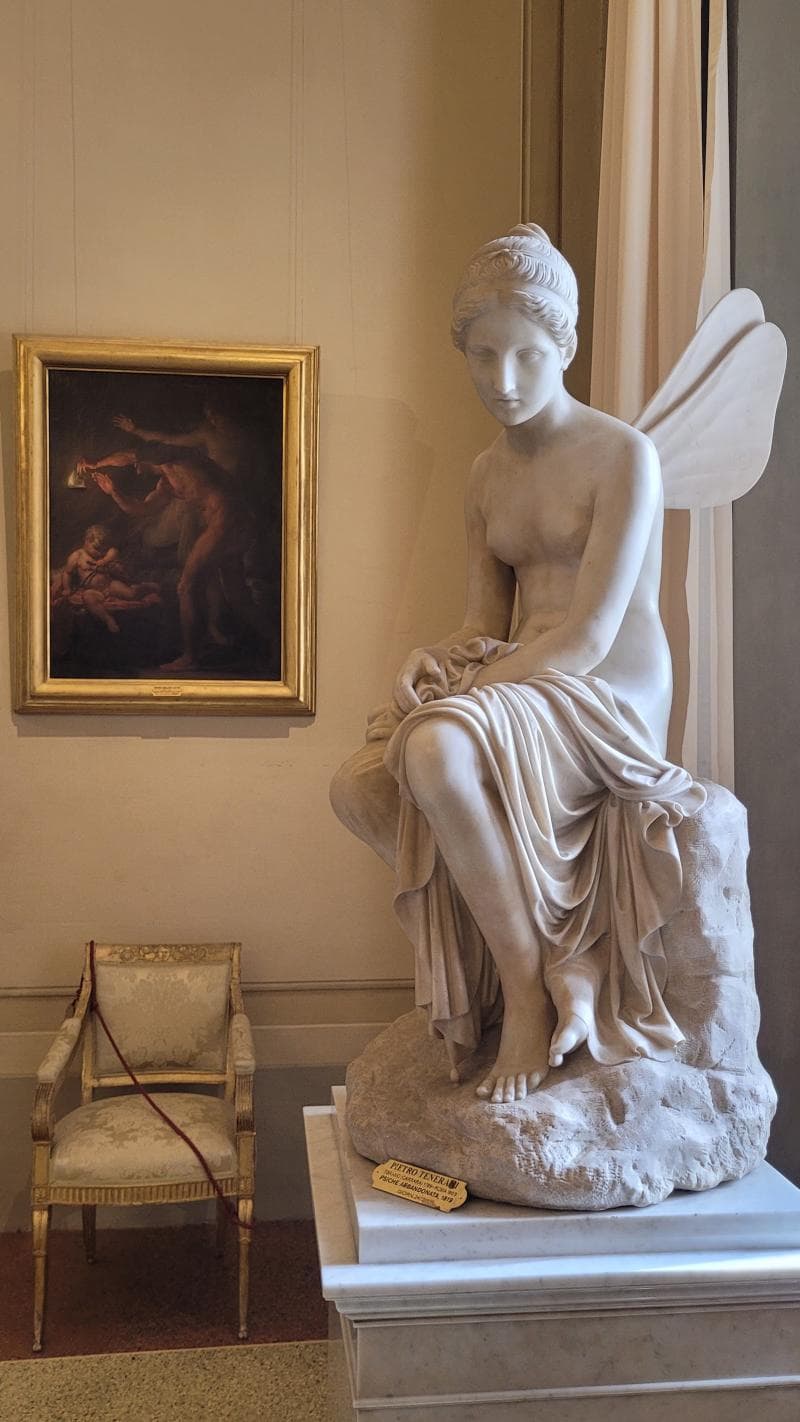
Explore Florence's Gallery of Modern Art at Palazzo Pitti, showcasing Italian art from the late 18th to early 20th century, including Macchiaioli masterpieces, in former royal apartments.
Overview
Nestled within the magnificent Palazzo Pitti in Florence, Italy, the Gallery of Modern Art offers a captivating journey through Italian art from the late 18th to the early 20th century. Located on the second floor of this grand Renaissance palace, the gallery provides not only an exceptional collection of paintings and sculptures but also breathtaking views of the city of Florence and the sprawling Boboli Gardens. It is an integral part of the larger museum complex of Palazzo Pitti, inviting visitors to delve into a period of significant artistic transformation.
History & Cultural Background
The genesis of a modern art collection in Florence can be traced back to 1748, when Grand Duke Pietro Leopoldo of Lorraine initiated the remodeling of the Florentine Academy. His vision included establishing a modern art gallery alongside classical collections, primarily showcasing works that received awards in academic competitions.
Over the decades, the collection grew substantially through acquisitions and donations. In 1914, the Italian State and the Florence City Council formally agreed to administer the nascent Modern Art Gallery, aiming to consolidate various state and municipal collections.
The idea of housing this burgeoning collection within Palazzo Pitti solidified after the royal family vacated their second-floor apartments. The Gallery of Modern Art was officially inaugurated in its current location in 1924, finding a grand and historically resonant home within the palace's thirty exquisitely decorated rooms.
What Makes It Special
What sets the Gallery of Modern Art apart is its unique combination of artistic heritage and historical setting. The museum is housed within the very rooms once inhabited by the Habsburg-Lorraine and later the Savoy royal families. These opulent interiors, with their neoclassical and romantic decorations, offer a lavish backdrop that complements the artworks beautifully, providing an immersive experience of art within its historical context.
The collection itself is a testament to the evolution of Italian art, particularly highlighting the Tuscan figurative culture. It spans artistic movements from Neoclassicism, Romanticism, and Purism, which often focused on historical and celebratory themes, to the groundbreaking anti-academic reforms of the Macchiaioli movement.
Visitors can admire masterpieces by leading Italian artists, including prominent figures of the Macchiaioli like Giovanni Fattori, Telemaco Signorini, and Silvestro Lega, whose works are characterized by 'stains' of color and contrasts of light, capturing nature and daily life. The gallery also features works by Boldini, Dupré, Morandi, De Pisis, De Chirico, and even early futurist avant-garde pieces, offering a comprehensive overview of Italian artistic production up to the early 20th century.
Stories, Fun Facts & Local Details
Imagine walking through halls where royalty once lived. The very rooms you explore, displaying canvases and sculptures, were once the private quarters of grand dukes and kings. This layer of history adds an intimate dimension to the art viewing experience. For instance, some sections even preserve original furnishings, allowing a glimpse into the royal lifestyle of the past.
Initially, the collection served a pedagogical purpose, intended to aid and educate students of the Academy of Fine Arts in new artistic fields. This focus on artistic development and education underscores Florence's enduring commitment to cultural advancement. The rich interiors, maintained from the Lorraine period, mean that the setting itself is a work of art, a blend of past royal grandeur and artistic expression.
Visitor Perspective
A visit to the Gallery of Modern Art is an opportunity to trace the rich narrative of Italian art in a setting unlike any other. The museum's thirty rooms are thoughtfully arranged in chronological order, guiding you through different periods and artistic currents. You'll find yourself moving from the solemnity of Neoclassical works to the vivid, light-infused paintings of the Macchiaioli, observing the transition of artistic thought and technique.
Beyond the art, the experience is enhanced by the stunning panoramic vistas. From the second-floor windows, you can gaze out over the geometric beauty of the Boboli Gardens and the iconic rooftops of Florence, providing moments of reflection and connection to the city's timeless charm. The gallery is accessible via both main stairs and elevators, ensuring it can be enjoyed by all.
Coordinates: 11.24982, 43.76506
View on Google Maps💬 How Travelers Describe This Place
Based on community votes
Unique
951Must See
748Interesting
491Beautiful
427Photogenic
414
Traveler Stories
Discover memorable experiences shared by travelers who have visited this place.
No traveler stories yet.
Be the first traveler to share what made this place memorable.

Tour
By
Spot
Discover amazing places around the world. Your journey starts here.
Explore
© 2026 TourBySpot. All rights reserved.