Galleries
Belgrade, Serbia
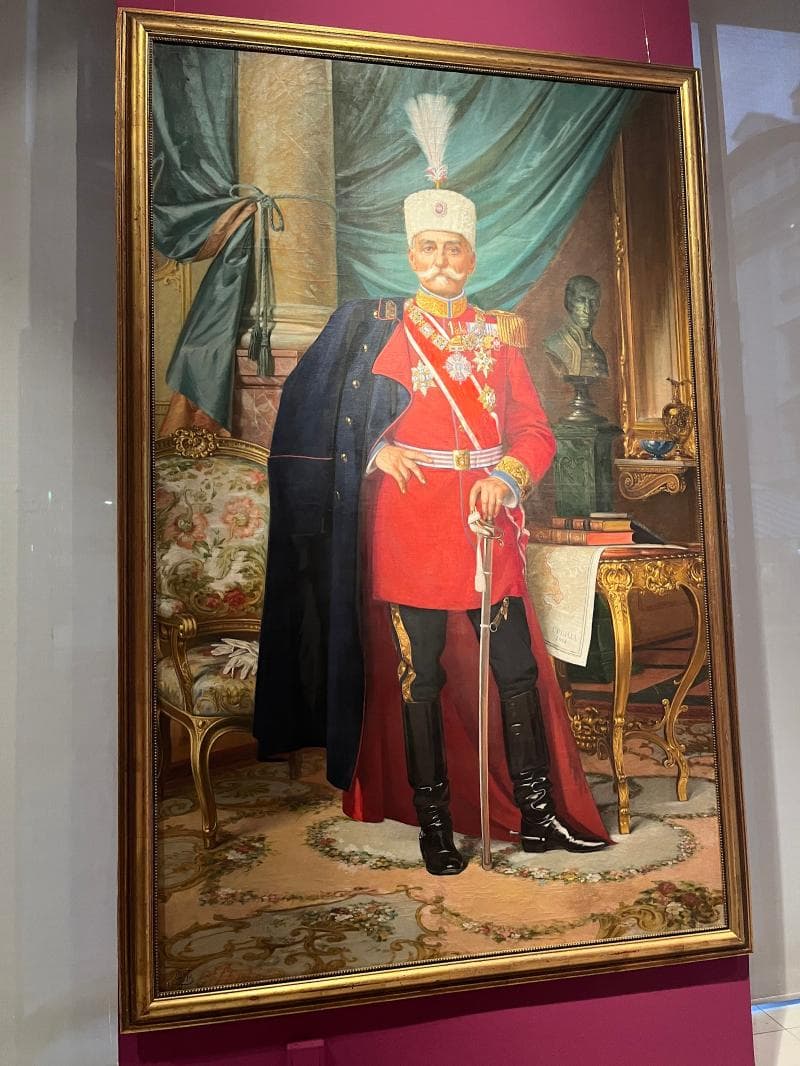
Discover Belgrade's vibrant art scene on Knez Mihailova Street, Serbia. Explore renowned galleries like SANU and Zepter Museum, showcasing rich cultural heritage.
Overview
Knez Mihailova Street, a lively pedestrian boulevard in the heart of Belgrade, Serbia, is more than just a shopping district; it is a vibrant artery pulsating with cultural life. Within this historic street, the term 'Galleries' refers to a rich concentration of art spaces, museums, and cultural institutions that collectively showcase the depth of Serbian and international artistic expression. These galleries are not isolated entities but are seamlessly woven into the fabric of the street, offering visitors a dynamic journey through visual arts, from classical masterpieces to contemporary installations. They represent a significant facet of Belgrade's identity as a cultural center, inviting curious travelers to delve into its artistic soul.
History & Cultural Background
The history of Knez Mihailova Street itself is deeply intertwined with Belgrade's evolution. Its roots stretch back to Roman times, forming part of the ancient city of Singidunum. The street as we know it began to take shape with significant urbanization in the late 1870s and was named after Prince Mihailo Obrenović III, a notable reformer who championed Serbian education and culture. Many of the elegant buildings that house today's cultural institutions and galleries were erected during this period, featuring a captivating blend of Neo-Renaissance, Neoclassical, and Art Nouveau architectural styles. In 1987, the street was officially transformed into a pedestrian zone, solidifying its role as a premier cultural hub in the capital. The establishment of various cultural institutions, such as the Serbian Academy of Sciences and Arts, decades ago laid the groundwork for the thriving gallery scene present today.
What Makes It Special
The unique charm of the 'Galleries' along Knez Mihailova lies in their unparalleled accessibility and integration into Belgrade's main promenade. Unlike many art districts that might be set apart, here, artistic discovery is an inherent part of the urban experience. Visitors can effortlessly transition from browsing boutiques or enjoying a coffee to immersing themselves in profound artistic expressions. The close proximity of key institutions such as the SANU Gallery, the Zepter Museum, and the ULUS Gallery creates a powerful cultural corridor, making art exploration convenient and engaging. These spaces not only serve as venues for diverse exhibitions but also play a crucial role in preserving and promoting Serbia's rich cultural heritage alongside showcasing cutting-edge contemporary art. Furthermore, the buildings housing these galleries are often architectural masterpieces in their own right, adding an extra layer of historical and aesthetic appreciation to the visitor's journey.
Stories, Fun Facts & Local Details
The Serbian Academy of Sciences and Arts (SANU) is a prominent landmark at 35 Knez Mihailova Street. Its gallery, which opened in 1968, is dedicated to promoting art in Belgrade by hosting a wide range of exhibitions and concerts, offering the public a window into SANU's extensive activities. A fascinating detail is the Zepter Museum, situated at 42 Knez Mihailova. This contemporary art museum occupies a magnificent building that was originally the First Croatian Savings Bank. Designed by Croatian architect Dionis Andrija Sunko, the building's interior was famously said to resemble a museum or gallery even in its early days. Beyond its formal institutions, Knez Mihailova Street itself often transforms into an open-air gallery, with street performers, musicians, and artists contributing to its vibrant and ever-changing artistic atmosphere. It is truly a place where Belgrade's rich history and dynamic present converge, making every stroll a potential encounter with art and culture.
Visitor Perspective
For any traveler eager to uncover Belgrade's artistic spirit, a visit to the galleries of Knez Mihailova Street promises a captivating and enriching experience. Start your cultural exploration at the impressive Serbian Academy of Sciences and Arts, where its gallery provides insight into academic and contemporary Serbian works. Just a short walk away, the Zepter Museum offers an engaging look into modern Serbian art, housed within a beautifully repurposed historic bank building. Do not miss the ULUS Gallery, the exhibition space for the Association of Fine Artists of Serbia, which frequently showcases the vibrant works of local talents. As you wander along this elegant pedestrian zone, you'll discover that behind many of the 19th-century facades lie artistic treasures waiting to be explored. Many of these galleries welcome visitors with free admission, making art accessible to everyone. These cultural havens provide a serene contrast to the bustling cafes and shops, offering tranquil moments for reflection and appreciation of Serbia's creative past and present. Engaging with these galleries is not just seeing art; it's connecting directly with the vibrant cultural pulse of Belgrade, right where the city's heart beats loudest.
Coordinates: 20.4578, 44.8169
View on Google Maps💬 How Travelers Describe This Place
Based on community votes
Beautiful
876Interesting
875Photogenic
718Unique
648Must See
235
Traveler Stories
Discover memorable experiences shared by travelers who have visited this place.
No traveler stories yet.
Be the first traveler to share what made this place memorable.

Tour
By
Spot
Discover amazing places around the world. Your journey starts here.
Explore
© 2026 TourBySpot. All rights reserved.