Fresco Halls
Vilnius, Lithuania
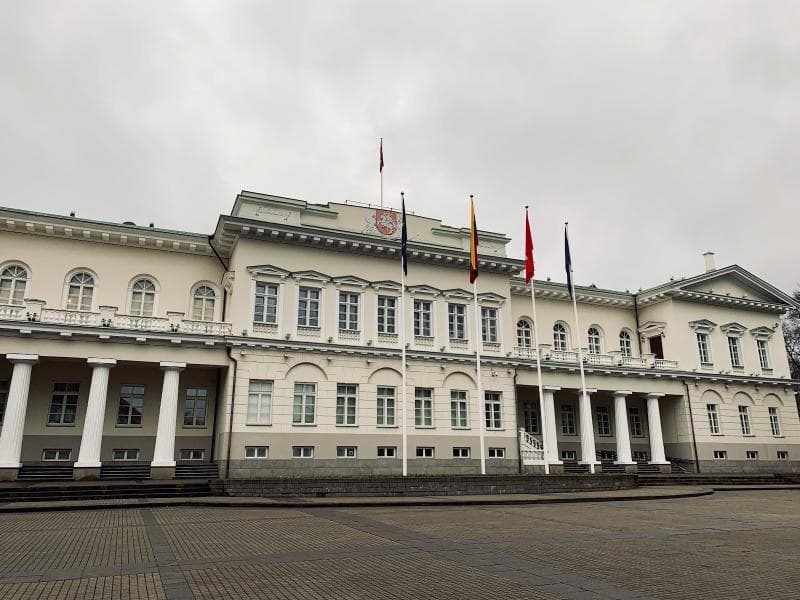
Discover the captivating Fresco Halls within Vilnius University in Vilnius, Lithuania, showcasing Petras Repšys's 'The Seasons' and other unique murals.
Overview
Deep within the venerable walls of Vilnius University, a historic institution nestled in the heart of Vilnius, Lithuania, lies a captivating artistic treasure: the Fresco Halls. While not a singular 'hall' in the traditional sense, this sub-spot primarily refers to specific areas adorned with remarkable fresco paintings that tell stories of Lithuanian culture, mythology, and the university's rich intellectual heritage. The most celebrated of these are the intricate frescoes by Petras Repšys, known as 'The Seasons', which offer a profound visual narrative of the nation's identity. These vibrant murals are a must-see for any curious traveler exploring the university's ancient courtyards and buildings, providing a unique blend of historical ambiance and artistic expression. The university, founded in 1579, is an architectural marvel in itself, seamlessly blending Gothic, Renaissance, Baroque, and Classicist styles across its thirteen interconnected courtyards, making any visit a journey through centuries of European art and history.
History & Cultural Background
Vilnius University itself boasts a storied past, founded in 1579 as the Jesuit Academy (College) of Vilnius by Stephen Báthory, King of Poland and Grand Duke of Lithuania. It emerged during a pivotal era marked by the Reformation and Catholic Reformation, becoming a vital center of learning in Central and Eastern Europe. Over centuries, the university's complex expanded, incorporating Gothic, Renaissance, Baroque, and Classicist architectural styles, reflecting the changing tides of history and art.
It is against this backdrop of profound history that the contemporary frescoes, particularly 'The Seasons' by Petras Repšys, find their significance. Created between 1976 and 1985, these frescoes were a monumental undertaking designed to commemorate the 400th anniversary of Vilnius University's establishment. Repšys, a graduate of the Vilnius Art Institute, brought a distinctive vision to this project, blending traditional fresco techniques with themes from Lithuanian mythology and an archaic worldview that predates Christianity. Beyond Repšys's masterpiece, the university also houses earlier artistic expressions. The Great Courtyard, for instance, features colored frescoes on its facade pilasters depicting the university's coat of arms and portraits of notable figures like Bishop Walerjan Protasewicz, military leader K. Chodkewicz, and Kings Augustus II the Strong and Stanislas Augustus Poniatowski, adding layers of historical reverence to the architectural landscape. The P. Smuglewicz Hall in the university library, dating back to the 17th century, preserves an al fresco ceiling mural portraying the Blessed Virgin Mary surrounded by kneeling Jesuit professors, a testament to the university's religious origins and artistic legacy.
What Makes It Special
What truly sets the Fresco Halls apart is their ability to bridge different eras of Lithuanian art and history within one academic institution. Petras Repšys's 'The Seasons' is a powerful visual narrative, not merely decorative, but deeply imbued with Lithuanian mythology and a profound connection to nature and ancient Baltic beliefs. The artist's interpretation of seasons and pre-Christian deities offers visitors a rare glimpse into the cultural soul of Lithuania, executed with remarkable detail and symbolic richness.
Moreover, the existence of older frescoes throughout the university grounds adds to its uniqueness. The 'Littera' bookshop, for example, boasts frescoes by A. Kmieliauskas from 1978, using painted narrowing arches to create an illusion of greater space while depicting the arts and sciences that flourished here, alongside portraits of benefactors and scholars. The Vestibule of the Nine Muses, adorned with sgraffito wall paintings by R. Gibavičius from 1970, beautifully renders ancient Greek muses, linking classical scholarship with the university's intellectual pursuits. This layering of artistic periods, from historical portraits to mythological epics, creates a multifaceted experience that goes beyond typical art exhibitions, integrating art directly into the daily life and historical fabric of the university.
Stories, Fun Facts & Local Details
One fascinating aspect of 'The Seasons' frescoes is their creation during the Soviet era, a period when expressions of national identity and pre-Christian beliefs could be complex. Repšys's subtle yet powerful integration of Lithuanian mythological motifs speaks to the enduring spirit of the nation and its cultural heritage. It's a reminder that art can serve as a vessel for cultural memory, even under challenging circumstances.
The university itself is a living museum. As you wander through its courtyards, you might encounter students hurrying to class, adding a vibrant contemporary pulse to the ancient stone. The Grand Courtyard, for instance, is not just a historical space but remains an active part of university life, where memorial plaques commemorate prominent university students and professors. Even the library courtyard features interesting fresco paintings of mathematical and astronomic instruments, nodding to the university's scientific legacy, particularly its historic observatory.
Visitor Perspective
Visiting the Fresco Halls of Vilnius University offers a profoundly enriching experience for any traveler. While the university is a functioning academic institution, it is openly accessible to the public, inviting curious minds to explore its artistic and historical depths. To fully appreciate the frescoes, especially 'The Seasons', take your time to observe the intricate details and symbolic elements. Imagine the stories and myths that inspired the artist, connecting with Lithuania's deep cultural roots. Walking through the university's courtyards is like stepping back in time, with every corner revealing a new architectural detail or a whisper of centuries past. It's an opportunity to engage with art that is not confined to a gallery wall but is interwoven into the very essence of a historical and intellectual landmark.
Coordinates: 25.2878, 54.6828
View on Google Maps💬 How Travelers Describe This Place
Based on community votes
Interesting
551Unique
547Beautiful
336Photogenic
298Must See
219
Traveler Stories
Discover memorable experiences shared by travelers who have visited this place.
No traveler stories yet.
Be the first traveler to share what made this place memorable.

Tour
By
Spot
Discover amazing places around the world. Your journey starts here.
Explore
© 2026 TourBySpot. All rights reserved.