Foyer halls
Milan, Italy
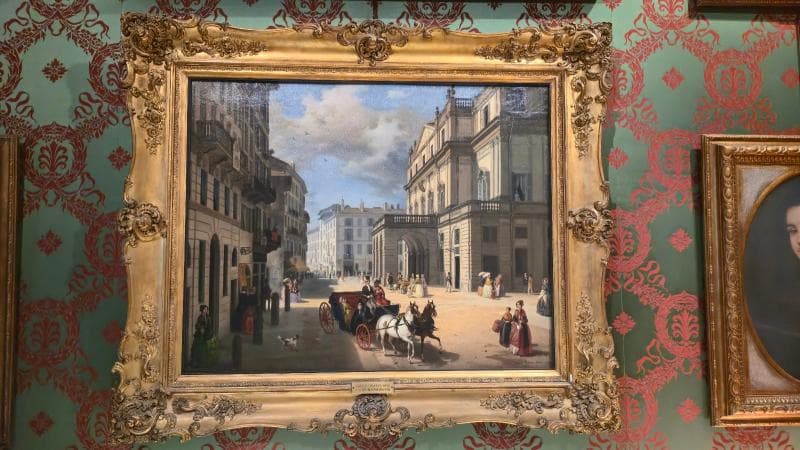
Explore the opulent Foyer halls of Teatro alla Scala in Milan, Italy. Discover their rich history, stunning neoclassical architecture, and the cultural tales woven into their elegant spaces.
Overview
Stepping into the Foyer halls of Teatro alla Scala is like entering a living overture to Milan's illustrious operatic history. Nestled within one of the world's most renowned opera houses, these grand spaces are far more than mere waiting areas; they are crucial cultural conduits, setting the stage for the theatrical experience even before the curtain rises. These neoclassical halls, accessible not only to performance attendees but also to visitors of the Teatro alla Scala Museum, offer a breathtaking introduction to the theatre's enduring legacy. They serve as elegant gathering points where the audience mingles, anticipating the artistic marvels to come or reflecting on a performance's power during intermissions. The foyers, particularly the esteemed Arturo Toscanini Foyer, are meticulously preserved areas that encapsulate the architectural splendor and social traditions of La Scala, inviting every visitor to partake in its storied past and vibrant present in Milan, Italy.
History & Cultural Background
The Teatro alla Scala, designed by the celebrated neoclassical architect Giuseppe Piermarini, first opened its doors on August 3, 1778. From its inception, the Foyer halls were integral to the theatre's multifaceted identity. In the 18th century, Italian opera houses were not solely venues for performances; they were vibrant social hubs, bustling with a range of activities. The foyers at La Scala were no exception, serving as popular spaces where high society converged, not just for cultural enrichment but also for socializing and even gambling. It is a fascinating historical detail that during performances, patrons would often 'slip out to the foyer and gamble.' The term 'casino' in this context even carried the dual meaning of a gambling den and, less formally, a bordello, adding a unique, perhaps scandalous, dimension to these grand halls' early days. Furthermore, the theatre's boxes were privately owned by wealthy Milanese families, who took immense pride in decorating them lavishly. Over centuries, La Scala has seen various transformations, including significant renovations between 2002 and 2004 led by architect Mario Botta. These efforts meticulously preserved and restored the foyers, ensuring their historical grandeur remained intact while integrating modern necessities.
What Makes It Special
The Foyer halls of Teatro alla Scala captivate with their distinct blend of neoclassical design and a palpable sense of history. One of their most striking features is the clever use of 'mirrors mounted on doors and walls,' which masterfully create 'the illusion of a much larger space,' adding to their expansive and opulent feel. As visitors traverse these elegant corridors, they are greeted by busts of legendary composers and conductors, silent guardians overseeing the cultural conversations that unfold. The Arturo Toscanini Foyer stands out as a particularly significant area, often being the first room guests encounter during guided tours. It pays homage to the iconic conductor with a distinguished marble bust. The Foyer halls are not merely architectural marvels; they are repositories of artistic spirit, exuding an aura of exclusivity and tradition. The careful craftsmanship, the play of light on polished surfaces, and the hushed reverence of opera-goers all contribute to an atmosphere that feels both regal and intimately connected to the soul of music.
Stories, Fun Facts & Local Details
Beyond their architectural beauty, the Foyer halls are steeped in intriguing stories and local lore. Imagine the scene centuries ago: before, during, and after performances, the foyers were alive with activity, serving as places for 'gambling and refreshment concessions.' These were social arenas where deals were struck, gossip exchanged, and fortunes won or lost, making the opera a complete evening of entertainment and social engagement. The 'ridotti,' corresponding halls on the upper levels, were once sites of continuous 'gambling and dinner parties,' highlighting the vibrant social calendar of Milanese aristocracy. Today, this tradition of hospitality continues in a more refined manner. The 'Il Foyer alla Scala' Restaurant, located adjacent to the theatre, is an evolution of the renowned Marchesino establishment. Its interior, designed by Filipino architect Michael Vincent Uy, elegantly reinterprets La Scala's decorations, featuring rich red velvet, marble surfaces, and golden accents that echo the theatre's grandeur. This culinary hub offers a high-level gastronomic experience, allowing visitors to extend their cultural immersion with sophisticated pre- or post-theatre dining. It's details like these—from historical gambling to contemporary fine dining—that weave a rich tapestry of social and cultural life around the Foyer halls.
Visitor Perspective
For a curious traveler visiting Milan, the Foyer halls offer an accessible gateway into the heart of Teatro alla Scala. Even without a ticket to a performance, one can experience the theatre's majesty by accessing these areas through the Teatro alla Scala Museum. Many guided tours commence in the Arturo Toscanini Foyer, providing a structured yet enchanting exploration of the history and artistry within these walls. As you wander through what is often described as a 'large indoor atrium in glitzy and neoclassical style,' you'll find yourself transported, feeling as if you've 'stepped back in time.' The atmosphere is one of cultivated elegance, where the echoes of past performances and the buzz of current excitement converge. For those attending a show, bars strategically located within the foyers offer convenience for drinks and sandwiches during intermissions, with the option to book online to avoid queues. It's important to note that refreshments are to be consumed within the foyers, preserving the pristine environment of the auditorium. The experience of the Foyer halls is a cherished part of a visit to La Scala, offering a blend of artistic appreciation, historical immersion, and Milanese sophistication.
Coordinates: 9.1895, 45.4675
View on Google Maps💬 How Travelers Describe This Place
Based on community votes
Unique
954Interesting
514Photogenic
196Must See
92Beautiful
66
Traveler Stories
Discover memorable experiences shared by travelers who have visited this place.
No traveler stories yet.
Be the first traveler to share what made this place memorable.

Tour
By
Spot
Discover amazing places around the world. Your journey starts here.
Explore
© 2026 TourBySpot. All rights reserved.