Fourth Courtyard and Baghdad Pavilion
Istanbul, Turkey
Explore Topkapi Palace's Fourth Courtyard and the exquisite Baghdad Pavilion in Istanbul, Turkey. Discover Ottoman history, stunning architecture, and serene views.
Overview
Nestled within the expansive Topkapi Palace in Istanbul, Turkey, the Fourth Courtyard, also known as the Imperial Sofa or Sultan's Courtyard, represents the most secluded and intimate section of the former imperial residence. This magnificent area served as a private sanctuary for the Ottoman sultans and their immediate entourage, a serene retreat from the formalities of court life. It's a picturesque landscape composed of exquisite pavilions, lush gardens, and inviting terraces, all designed to offer breathtaking panoramic views of the Bosphorus Strait, the Golden Horn, and the Sea of Marmara. Among its many gems, the Baghdad Pavilion stands as a paramount example of classical Ottoman architecture and historical commemoration.
History & Cultural Background
Topkapi Palace itself, commissioned by Sultan Mehmed II, began construction in 1459 and was completed by 1465, establishing itself as the administrative heart and primary residence for Ottoman sultans for nearly four centuries. The palace's design follows a hierarchical progression through its courtyards, with the Fourth Courtyard evolving primarily during the 17th and 18th centuries. This innermost courtyard was where significant political and ceremonial events intertwined with the sultan's personal life.
The illustrious Baghdad Pavilion was specifically built in 1639 under the orders of Sultan Murad IV to commemorate his triumphant reconquest of Baghdad in 1638. Initially conceived as both a war monument celebrating Ottoman military prowess and a pleasure pavilion for the Sultan's relaxation, its function later evolved. From the mid-18th century, it also served as a private library for the sultans after they ceased residing permanently in the palace. The era saw a distinctive blend of traditional Ottoman architectural elements with influences from Baroque and Rococo styles, particularly noticeable during the early 18th-century Tulip Era, which saw the Fourth Courtyard become a focal point for cultural and artistic developments.
What Makes It Special
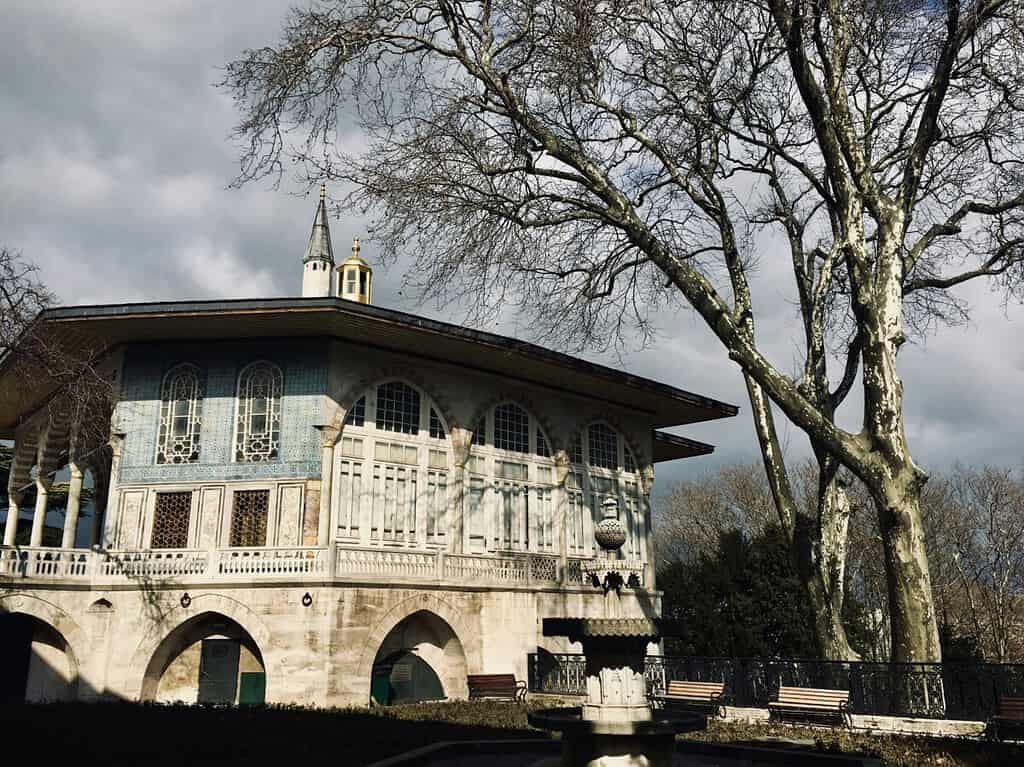
The Fourth Courtyard stands out for its unique blend of garden design and pavilion architecture, perfectly integrating stunning natural views with imperial grandeur. It represents the culmination of the palace's inward progression, symbolizing the seclusion and sanctity of imperial power. The Baghdad Pavilion, in particular, is celebrated as one of the finest expressions of classical Ottoman architecture. It's an octagonal structure, embraced by a columned portico, and crowned with a magnificent gilded dome.
The exterior walls are adorned with brilliant blue-and-white Iznik tiles, a hallmark of Ottoman artistry. Inside, the pavilion offers an immersive experience of decorative arts, with every surface meticulously crafted. Peerless tiles cover the walls, intricate mother-of-pearl and tortoiseshell inlays grace the cabinets and wooden doors, and painted ceilings feature delicate gold leaf patterns. The pavilion also boasts stained-glass windows and a unique silver grill, reputedly a gift from French King Louis XIV. Its strategic placement provides an unparalleled visual spectacle, making the surrounding cityscape and waterways an integral part of its charm.
Stories, Fun Facts & Local Details
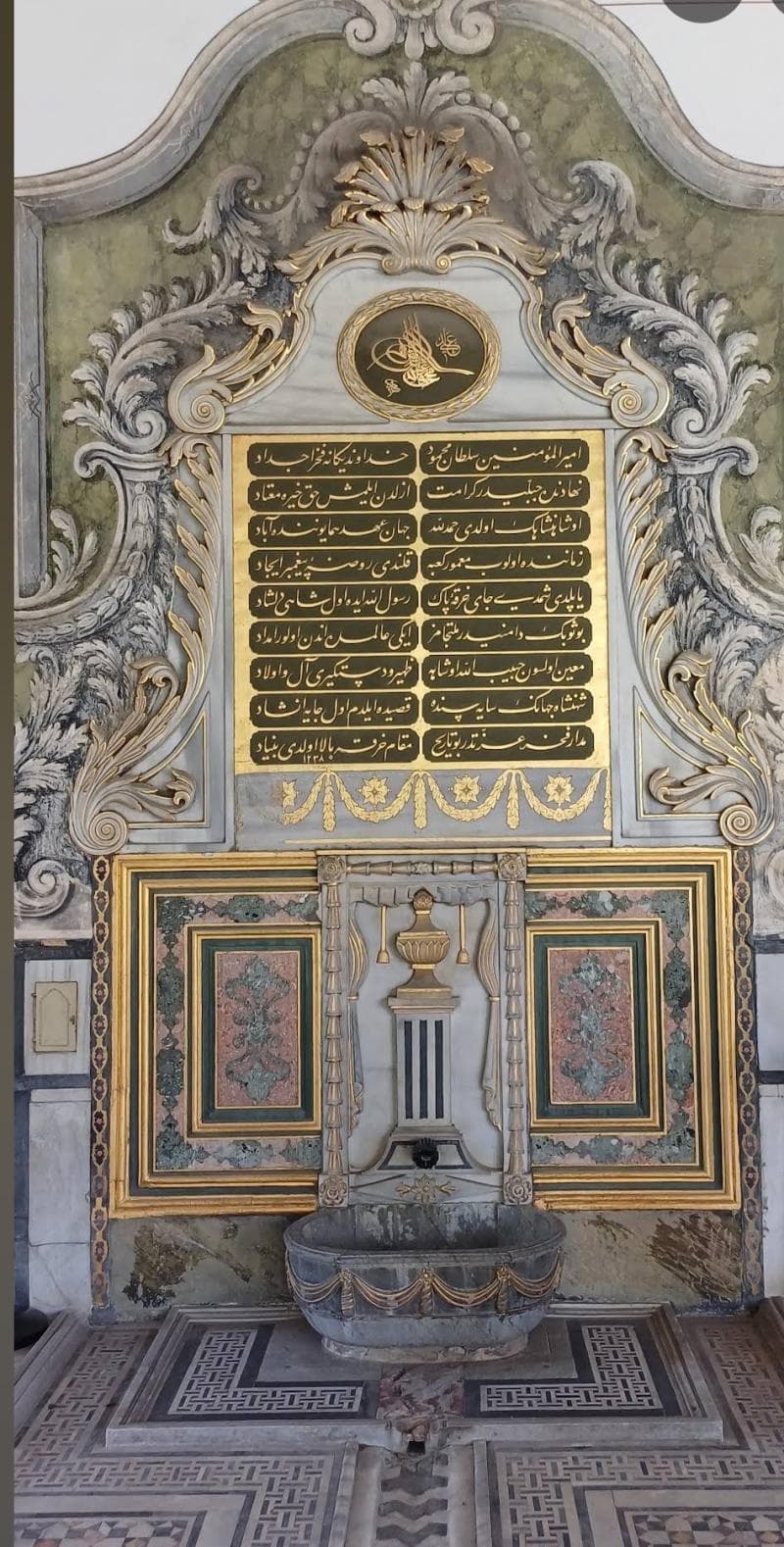
The Fourth Courtyard was not merely a decorative space; it was a living stage for the Sultan's private moments and important imperial functions. Here, sultans could consult with their most trusted advisors or simply unwind in the tranquility of the gardens. The Baghdad Pavilion's rich interior features Arabic script with large white letters on a blue background, beautifully inscribed verses from the Quran, adding a spiritual dimension to its artistic splendor. A small room behind the pavilion was historically used as a coffee kitchen, highlighting the daily life within these grand walls.
Adjacent to the Baghdad Pavilion is the Iftar Pavilion, a charming gilded arbor where sultans would traditionally break their fast during Ramadan, often enjoying views of sporting events held in the courtyard below. Another significant structure is the Circumcision Room (Sünnet Odası), exquisitely decorated and used for the important circumcision ceremonies of the sultan's sons, reflecting deeply held Ottoman traditions and the significance of these rites of passage.
Visitor Perspective
Visiting the Fourth Courtyard and the Baghdad Pavilion offers a uniquely serene and exclusive experience within Topkapi Palace. Unlike the bustling outer courtyards, this area exudes a profound sense of calm and historical intimacy. It provides a rare glimpse into the private world of the Ottoman sultans, allowing visitors to connect with the personal side of imperial life, beyond the administrative and ceremonial duties. The architectural beauty, coupled with the panoramic views, makes it an unforgettable destination for those seeking a deeper understanding of Ottoman art, culture, and history. It's a place where the grandeur of the empire meets quiet contemplation, a vital part of Turkey's rich cultural heritage that continues to captivate millions.
Coordinates: 28.984, 41.013
View on Google Maps💬 How Travelers Describe This Place
Based on community votes
Photogenic
685Beautiful
672Interesting
539Unique
369Must See
232
Traveler Stories
Discover memorable experiences shared by travelers who have visited this place.
No traveler stories yet.
Be the first traveler to share what made this place memorable.

Tour
By
Spot
Discover amazing places around the world. Your journey starts here.
Explore
© 2026 TourBySpot. All rights reserved.