Fountain Areas
Ashgabat, Turkmenistan
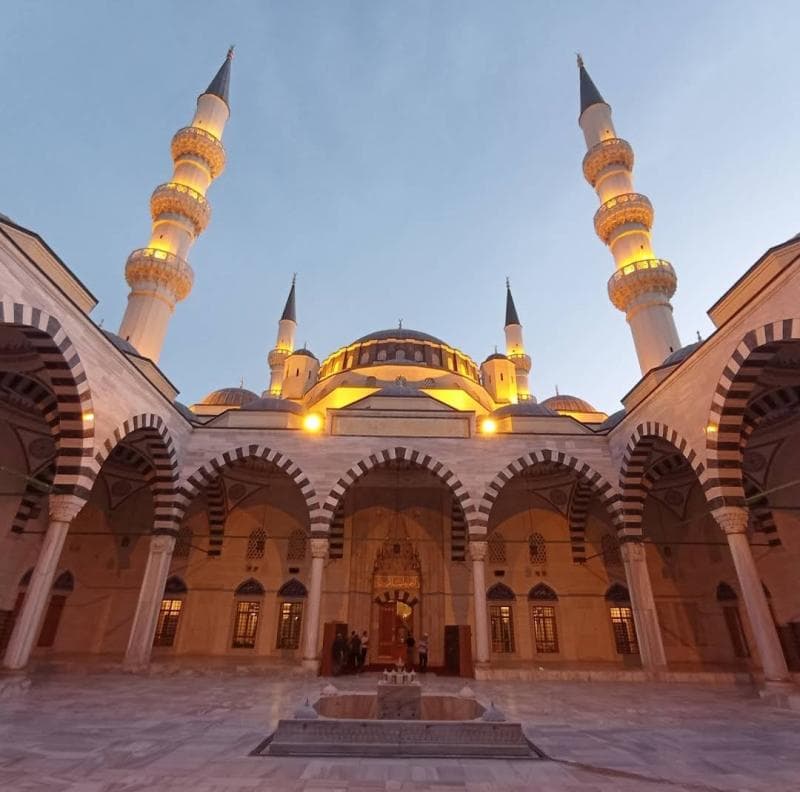
Discover the tranquil Fountain Areas within Ashgabat's Ertuğrul Gazi Mosque, a stunning example of Ottoman architecture in Turkmenistan.
Overview
Nestled within the grand Ertuğrul Gazi Mosque in Ashgabat, Turkmenistan, the Fountain Areas offer a serene and spiritually significant space for visitors and worshippers alike. The mosque, a prominent landmark in the city, is celebrated for its stunning classical Ottoman architecture, echoing the design principles of Istanbul's iconic Blue Mosque. These fountain areas are not merely decorative elements but are integral to the mosque's function and aesthetic, embodying the traditional Islamic reverence for water as a symbol of purity and life.
Upon entering the mosque complex, visitors are often greeted by the tranquil sight and sound of water. The expansive courtyard, a hallmark of Ottoman-style mosques, features a central fountain that serves multiple purposes. It acts as a focal point for contemplation, contributes to the calming atmosphere, and provides essential facilities for ritual ablution before prayers. The interplay of the white marble architecture with the gentle flow of water creates an oasis of peace amidst the vibrant city.
History & Cultural Background
The Ertuğrul Gazi Mosque, also known as the Azadi Mosque, was completed in 1998, shortly after Turkmenistan gained its independence. It was built with strong cultural ties to Turkey, and its design is a deliberate homage to classical Ottoman architectural traditions. Named after Ertuğrul Gazi, the revered father of Osman I, the founder of the Ottoman Empire, the mosque symbolizes a deep historical and spiritual connection.
In Islamic culture, fountains have held profound significance for centuries, deeply integrated into religious, philosophical, and daily life frameworks. Courtyard fountains in mosques, known as şadırvan, are fundamental. Historically, they were essential for providing water for ritual purification (wudu) before prayer, emphasizing the importance of physical and spiritual cleanliness. Beyond their practical use, these water features were designed to enhance the aesthetic and spiritual experience, with flowing water symbolizing renewal and contributing to a reflective ambiance. The presence of these fountain areas within the Ertuğrul Gazi Mosque links it directly to this rich heritage, connecting it to a timeless tradition of mosque design where water is paramount.
What Makes It Special
The Fountain Areas at Ertuğrul Gazi Mosque are special due to their seamless blend of practicality and profound symbolism. The central fountain in the large courtyard is more than just a water feature; it is a vital component of the mosque's spiritual ecosystem. Its design, reflective of traditional Ottoman and Islamic styles, evokes a sense of timeless elegance and tranquility. The geometric patterns and intricate craftsmanship seen throughout the mosque are subtly echoed in the design of the fountain area, creating a cohesive architectural narrative.
For many, the gentle sound of the flowing water offers a meditative quality, preparing the mind and spirit for worship or quiet contemplation. The fountains serve as a public space for ritual ablution, where worshippers cleanse themselves in preparation for prayer, a practice that highlights the importance of purity in Islam. This functional aspect is intertwined with its aesthetic appeal, making the fountain areas a place of both utility and beauty. The use of fine materials, consistent with the mosque's luxurious white marble exterior, ensures that even these functional elements contribute to the overall grandeur and meticulous attention to detail that defines the Ertuğrul Gazi Mosque.
Stories, Fun Facts & Local Details
While specific 'stories' directly about the Fountain Areas themselves are not widely documented, their presence enriches the broader narrative of the Ertuğrul Gazi Mosque. It's often noted that the mosque, with its striking resemblance to Istanbul's Blue Mosque, serves as a powerful symbol of Turkish-Turkmen friendship and shared cultural heritage. The fountains are a subtle nod to this connection, as such water features are characteristic of Ottoman religious architecture.
A fun fact related to the mosque's construction, which indirectly touches upon all its elements including the courtyard and fountains, is the local belief that several accidental deaths occurred during its building, leading to a superstition among some that the mosque is 'cursed.' Despite this, the mosque remains a highly revered and visited site. The tranquil courtyards with their fountains provide a stark contrast to the lively city outside, offering a peaceful retreat that encourages reflection. Visitors often appreciate the opportunity to witness the ritual ablution being performed, gaining insight into a fundamental aspect of Islamic daily life.
Visitor Perspective
For a visitor to the Ertuğrul Gazi Mosque, the Fountain Areas are an immediate introduction to the mosque's serene atmosphere. Approaching the main entrance, one is likely to encounter the grand courtyard with its central fountain, a welcoming sight that invites a moment of pause. This tranquil space allows travelers to absorb the architectural beauty and spiritual ambiance before entering the main prayer hall. The visual elegance of the fountain, often surrounded by carefully maintained landscaping, provides excellent photo opportunities, capturing the essence of Islamic design and the mosque's peaceful setting.
Many find the act of observing the ablution ritual around the fountains to be a meaningful cultural experience, offering a glimpse into the devotion of the local community. The sounds of flowing water contribute to a sense of calm and escape from the bustling modern world. It's recommended to visit during quieter times, such as early morning or late afternoon, to fully appreciate the peaceful environment created by these water features and the surrounding architecture. The Fountain Areas, therefore, are not just architectural features but active spaces that engage the senses and enrich the overall visitor experience at this magnificent Ashgabat landmark.
Coordinates: 58.39903449768865, 37.932912468911205
View on Google Maps💬 How Travelers Describe This Place
Based on community votes
Must See
797Interesting
695Unique
396Beautiful
286Photogenic
22
Traveler Stories
Discover memorable experiences shared by travelers who have visited this place.
No traveler stories yet.
Be the first traveler to share what made this place memorable.

Tour
By
Spot
Discover amazing places around the world. Your journey starts here.
Explore
© 2026 TourBySpot. All rights reserved.