Fortress Terraces
Dubrovnik, Croatia
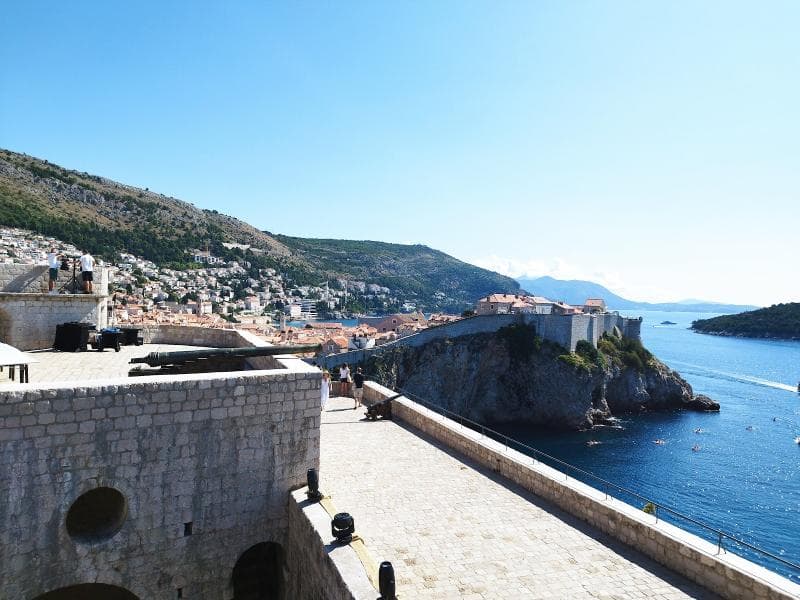
Explore the historic Fortress Terraces within Fort Lovrijenac in Dubrovnik, Croatia. Discover its rich history, stunning views, and cultural significance.
Overview
Perched majestically atop a 37-meter-high cliff, the Fortress Terraces are an integral part of Fort Lovrijenac, a formidable structure guarding the western approaches to Dubrovnik, Croatia. Often hailed as 'Dubrovnik's Gibraltar', this independent fortress stands as a powerful symbol of the city's historical resilience and unwavering spirit. Its imposing stone walls and strategic position offer breathtaking panoramic views of the Adriatic Sea, the historic Old Town, and the picturesque Kolorina Bay below. More than just a military stronghold, the terraces within Lovrijenac have evolved into a vibrant cultural stage, drawing visitors from around the world to experience its unique blend of history and dramatic beauty.
Visitors to Fort Lovrijenac will find themselves traversing a series of three distinct terraces, each offering a different vantage point and a fresh perspective on the fortress's ingenious design. These stepped platforms, fortified with powerful parapets, were once crucial defensive positions. Today, they provide a captivating journey through centuries of history, inviting contemplation of the struggles and triumphs that shaped Dubrovnik. The journey to the terraces typically involves a scenic climb, rewarding those who make the effort with an unparalleled understanding of Dubrovnik's strategic significance and an unforgettable visual spectacle.
History & Cultural Background
The origins of Fort Lovrijenac are steeped in a dramatic tale of defiance against Venetian ambition. According to legend, in the early 11th century, the Venetians planned to build a fortress on this very cliff to assert control over Dubrovnik. However, the astute citizens of Dubrovnik discovered their plot and, in an extraordinary effort, built their own fort in a mere three months, foiling the Venetian's invasion plans. While the earliest records of the fort date back to 1301, chronologists suggest its construction could be as early as 1018 or 1038. This rapid construction, often attributed to the voluntary labor of the local populace, underscores Dubrovnik's fierce commitment to its independence.
Over centuries, Fort Lovrijenac underwent continuous reconstruction and upgrades, particularly in the 15th and 16th centuries, to adapt to evolving military technologies. It suffered significant damage during the devastating earthquake of 1667 but was meticulously repaired, restoring its former glory. The fortress served as a vital part of Dubrovnik's defense, housing a garrison and a fort commander who was replaced monthly, a unique safeguard against potential internal rebellion. Its strategic importance is further highlighted by the famous inscription above its entrance: 'Non Bene Pro Toto Libertas Venditur Auro' – 'Freedom is not to be sold for all the gold in the world'. This powerful motto encapsulates the Republic of Ragusa's enduring ethos and its resolute defense of liberty.
What Makes It Special
The Fortress Terraces of Lovrijenac are special for several compelling reasons, primarily their ingenious architectural design and profound symbolic meaning. The fort's triangular shape follows the natural contours of the rock, a testament to clever engineering. What truly sets it apart is the intentional variation in wall thickness: the walls facing the open sea and potential enemy attacks are an impressive 12 meters thick, providing an unyielding barrier. Conversely, the walls facing the city are deliberately much thinner, only about 60 centimeters thick. This architectural 'fail-safe' was a calculated measure by the Republic of Ragusa, ensuring that if a fort commander were ever to attempt a coup, the city's own artillery could easily breach its defenses and reclaim control.
Beyond its military prowess, the terraces offer an unparalleled aesthetic experience. They provide a multi-level platform from which to gaze upon the historic city walls, the bustling Old Town, and the vast expanse of the Adriatic. The sense of history is palpable, inviting visitors to imagine centuries of watchmen, soldiers, and citizens who stood on these very stones. The sheer effort involved in constructing such a massive fortification on a sheer cliff face further amplifies its special status, making it a monumental achievement of medieval architecture and human determination.
Stories, Fun Facts & Local Details
The Fortress Terraces are rich with stories and fascinating details that bring its history to life. One such detail involves the fort's cannons. Lovrijenac was once defended by ten large cannons, including a particularly impressive one known as 'Gušter' or 'The Lizard'. Cast in 1537 by master founder Ivan Rabljanin, this beautifully carved cannon was famously never fired in battle. Tragically, it met its end during the 19th century when Austrian troops were disarming the fortress; the rope holding 'The Lizard' broke during hoisting, sending the cannon plummeting to the seabed below Lovrijenac, where it remains lost to this day.
In more recent times, the terraces have found a new life as an iconic cultural venue. Since the 1950s, Fort Lovrijenac has become an indispensable stage for the Dubrovnik Summer Festival, particularly renowned for its performances of William Shakespeare's 'Hamlet'. The fortress's unique ambiance, with its dramatic stone backdrops and open-air setting, provides an unforgettable theatrical experience, making the production of 'Hamlet' on these terraces a symbol of the festival itself. Adding to its modern fame, the terraces and the fort have also served as a memorable filming location, most notably portraying the Red Keep in King's Landing in the popular television series 'Game of Thrones'. This blend of ancient history, dramatic arts, and popular culture ensures that the Fortress Terraces continue to capture the imagination of all who visit.
Visitor Perspective
Exploring the Fortress Terraces of Fort Lovrijenac offers a profoundly rewarding experience for any curious traveler. The ascent to the fort involves climbing over 200 stairs, a journey that, while requiring some effort, is entirely worth it for the panoramic rewards. As you navigate the levels of the fort and step onto its various terraces, you'll be greeted by unparalleled views of Dubrovnik's Old Town, the shimmering Adriatic, and the intricate city walls. Many find the experience of walking in the footsteps of ancient defenders to be deeply moving, connecting them to the city's enduring legacy of freedom.
A typical visit to the terraces and the fort lasts between 30 to 60 minutes, providing ample time to absorb the historical information, appreciate the architectural marvels, and simply revel in the stunning vistas. Tickets to Fort Lovrijenac are often included with the purchase of an entrance ticket to the City Walls, making it a convenient and value-added stop on a tour of Dubrovnik's defenses. Whether you're seeking historical insight, cultural enrichment, or simply a breathtaking photo opportunity, the Fortress Terraces provide a unique vantage point to admire the beauty and understand the spirit of Dubrovnik.
Coordinates: 18.104412, 42.640731
View on Google Maps💬 How Travelers Describe This Place
Based on community votes
Interesting
954Must See
946Photogenic
514Beautiful
92Unique
66
Traveler Stories
Discover memorable experiences shared by travelers who have visited this place.
No traveler stories yet.
Be the first traveler to share what made this place memorable.

Tour
By
Spot
Discover amazing places around the world. Your journey starts here.
Explore
© 2026 TourBySpot. All rights reserved.