Forest Pathways
Vilnius, Lithuania
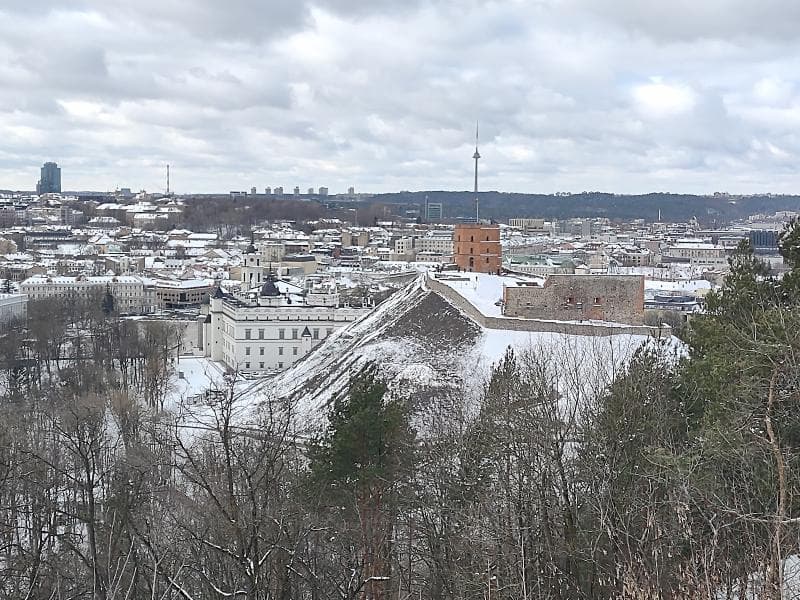
Explore the historic Forest Pathways leading to the Three Crosses Monument in Vilnius, Lithuania, offering panoramic views and rich history.
Overview
Tucked within the verdant embrace of Kalnų Park in Vilnius, Lithuania, lies a network of enchanting 'Forest Pathways' that lead to the iconic Three Crosses Monument. These trails are not merely routes but an integral part of the journey to one of the city's most symbolic landmarks, offering a serene escape into nature while gradually unfolding panoramic vistas of Vilnius's UNESCO-listed Old Town. The pathways, winding through a forested hill, blend natural beauty with a profound sense of history, guiding curious travelers to a site that encapsulates resilience and spiritual significance.
Known locally as the Hill of Three Crosses or Bald Hill, this elevated location within Kalnų Park provides an immersive experience, combining a gentle hike or a more vigorous climb with cultural discovery. The journey along these forest-edged routes builds anticipation, culminating in the breathtaking spectacle of the monument and the expansive city view from its summit.
History & Cultural Background
The history embedded within the Forest Pathways and the Three Crosses Monument is deeply woven into the fabric of Vilnius. Legend tells of fourteen Franciscan friars who were martyred on this very hill in the 14th century, with some versions stating seven were beheaded there. To commemorate this tragic event, wooden crosses were erected on the hill as early as the 17th century, though some historians suggest they might also have symbolized the granting of Magdeburg rights to the city. These early wooden structures needed periodic replacement as they decayed.
The current concrete monument, standing proudly at 12 meters, was originally designed by architect Antoni Wiwulski in 1916. However, its existence was not without challenge. The Soviet authorities, viewing it as a religious and national symbol, dramatically blew up the monument in 1950, burying its fragments at the foot of the hill. A powerful testament to Lithuanian national identity and a symbol of resistance, the Three Crosses Monument was courageously rebuilt and unveiled in 1989, just prior to Lithuania regaining its independence. This act of restoration commemorated the victims of Stalinism and the mass deportations of 1941, solidifying its place as a symbol of freedom.
What Makes It Special
What truly distinguishes the Forest Pathways leading to the Three Crosses Monument is the holistic experience they offer. Beyond a mere destination, the ascent itself is a journey of discovery. As you traverse the winding trails of Kalnų Park, whether opting for the more challenging wooden stairs from Bernardine Garden or the gentler, more gradual paths, you are enveloped by lush greenery and the peaceful sounds of nature.
Each step provides changing perspectives, teasing glimpses of the city below through the trees before the full grandeur of the Vilnius panorama unfolds at the summit. This gradual reveal creates a sense of anticipation and reward, making the eventual vista even more impactful. The elevation, approximately 160 meters, ensures a commanding view that encompasses the red-tiled roofs of the Old Town, historic church spires, the winding Vilnelė River, and Gediminas Castle Tower.
Stories, Fun Facts & Local Details
The legends surrounding the Hill of Three Crosses add a poignant layer to the 'Forest Pathways' experience. The tale of the martyred Franciscan friars, while difficult to verify definitively, has resonated through centuries, imbuing the hill with a sacred and solemn aura. It is believed that seven of the fourteen friars were beheaded on this very spot.
A modern tradition sees the monument illuminated in different colors for special events, transforming the white crosses into a beacon reflecting current sentiments or celebrations. Local insights also reveal that the pathways are cherished by residents not just for sightseeing but also for daily runs and peaceful walks, emphasizing its role as an accessible urban retreat. Kalnų Park itself hosts various concerts and festivals during the summer months, adding another dimension to the area's use.
Visitor Perspective
For the curious traveler, embarking on the 'Forest Pathways' to the Three Crosses Monument promises a rewarding adventure. Comfortable footwear is highly recommended, as the paths can involve significant elevation changes, from steep wooden stairs to more meandering natural trails. Access points vary, with popular routes starting near Bernardine Garden, crossing the Vilnelė River, or from T. Kosciuška Street.
The ascent typically takes 15-20 minutes, offering a moderate workout. Many visitors find the views particularly stunning at sunset, when the city lights begin to twinkle, or during autumn, when the park's trees boast vibrant hues. The site is open 24/7 and free to visit, allowing for flexible exploration at any time of day, though early mornings or late afternoons often offer fewer crowds and optimal lighting for photography. The journey through these pathways is an opportunity to connect with Vilnius's history, spirituality, and natural beauty, offering a unique perspective on this captivating city.
Coordinates: 25.2976, 54.6867
View on Google Maps💬 How Travelers Describe This Place
Based on community votes
Unique
639Interesting
526Must See
421Beautiful
366Photogenic
181
Traveler Stories
Discover memorable experiences shared by travelers who have visited this place.
No traveler stories yet.
Be the first traveler to share what made this place memorable.

Tour
By
Spot
Discover amazing places around the world. Your journey starts here.
Explore
© 2026 TourBySpot. All rights reserved.