Food Crawl Stops
Manila, Philippines
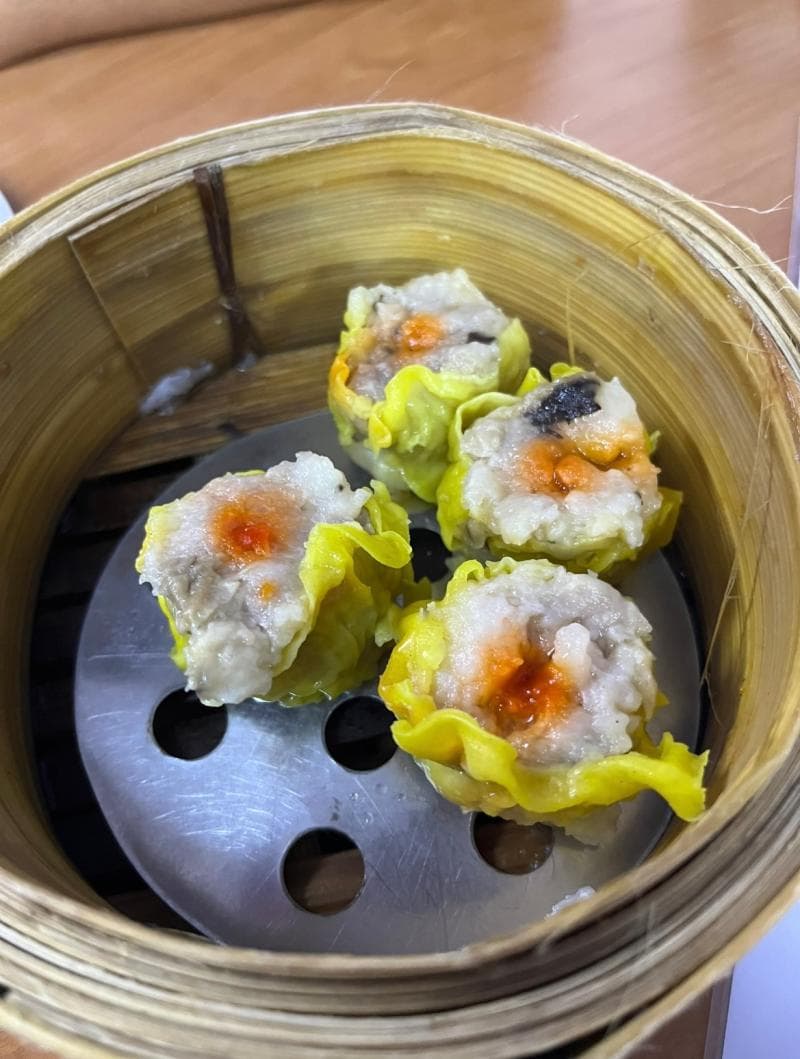
Discover Binondo, Manila, Philippines' oldest Chinatown, on a food crawl. Explore centuries of Chinese-Filipino culinary fusion and vibrant street food.
Overview
Step into Binondo, Manila, and embark on a food crawl through the world's oldest Chinatown. This vibrant district, nestled in the heart of the Philippine capital, offers an unparalleled culinary adventure, blending centuries of Chinese heritage with Filipino flavors. More than just a collection of eateries, a food crawl here is a journey through history, culture, and a unique gastronomic identity born from trade and migration. Prepare your senses for a symphony of tastes, aromas, and bustling street scenes that tell the story of a community deeply rooted in its traditions yet constantly evolving. From savory dumplings to sweet pastries, Binondo promises an unforgettable exploration of its rich culinary landscape.
History & Cultural Background
Binondo was established in 1594 by Spanish colonial authorities as a settlement for Chinese migrants who had converted to Catholicism. Strategically located across the Pasig River from Intramuros, the walled Spanish city, it allowed colonial rulers to monitor their Chinese subjects while still benefiting from their crucial trade networks. Over four centuries, Binondo evolved from a regulated settlement into a dense commercial and cultural corridor, shaping Manila's economic and cultural life. This history of Chinese immigration, Spanish colonial rule, and later American occupation fostered a unique culinary identity. Chinese immigrants could not simply replicate their traditional dishes; they adapted by using local Philippine ingredients, leading to a delicious fusion of flavors. This adaptation created dishes that are neither purely Chinese nor purely Filipino, but distinctly 'Chinoy,' reflecting the hybrid identity of the Filipino-Chinese community.
What Makes It Special
Binondo's food scene is special because it is a living archive of culinary adaptation and cultural collision. The district's restaurants and street food stalls serve dishes that are a testament to centuries of cultural exchange, where Filipino, Chinese, Spanish, and even modern influences converge. Here, you can find traditional Chinese dishes alongside Filipino adaptations, creating a diverse palette of flavors. Iconic dishes like pancit, lumpia, mami, and siopao, now staples in Filipino cuisine, trace their roots back to Chinese influences in Binondo. The sheer density of food establishments, from century-old restaurants like Toho Panciteria Antigua, established in 1888, to bustling street food vendors, offers an authentic and immersive experience. It's a place where every bite tells a story of survival, innovation, and the harmonious blending of traditions.
Stories, Fun Facts & Local Details
Binondo holds the distinction of being the world's oldest Chinatown, a fact that underlines its profound historical significance. Its streets are lined with shops, bakeries, and eateries that have been passed down through generations. Toho Panciteria Antigua, for instance, is widely regarded as the oldest continuously operating restaurant in Binondo, dating back to 1888. Philippine national hero Jose Rizal is said to have dined here, adding to its legendary status. Another fun fact is the origin of many beloved Filipino comfort foods. The sweet-savory peanut sauce for fresh lumpia, for example, is a Chinese-influenced but distinctly Filipino innovation. The very word 'Binondo' is believed to be derived from the Filipino word 'binundok,' meaning 'like a mountain,' referring to its original hilly terrain. A food crawl through Ongpin Street, Binondo's main artery, is a sensory overload in the best possible way, filled with the aroma of roasting meats, freshly baked hopia, and steaming noodles. Exploring Binondo is not just about eating; it's about connecting with a vibrant community that has preserved its heritage while embracing its unique identity.
Visitor Perspective
For a curious traveler, a Binondo food crawl is an adventure best undertaken on foot, allowing you to fully soak in the atmosphere. The district can be bustling and lively, with narrow alleys and vibrant street scenes that evoke a sense of stepping back in time. It is recommended to arrive with an empty stomach and an open mind, ready to try a variety of dishes from different establishments. Popular stops often include Dong Bei Dumplings for their kuchay dumplings, Sincerity Cafe & Restaurant for its famous fried chicken and oyster cake, and Eng Bee Tin Chinese Deli for its ube hopia. Don't shy away from smaller, unassuming eateries, as they often hide some of the most authentic flavors. The experience is not just about the food but also about observing local life, the unique architecture that blends colonial and Chinese styles, and the palpable energy of this historic district. It's an immersive cultural journey where the food serves as your guide through Binondo's storied past and vibrant present.
Coordinates: 120.967, 14.6
View on Google Maps💬 How Travelers Describe This Place
Based on community votes
Interesting
981Photogenic
617Beautiful
565Must See
157Unique
28
Traveler Stories
Discover memorable experiences shared by travelers who have visited this place.
No traveler stories yet.
Be the first traveler to share what made this place memorable.

Tour
By
Spot
Discover amazing places around the world. Your journey starts here.
Explore
© 2026 TourBySpot. All rights reserved.