Fontaine Du Soleil
Nice, France
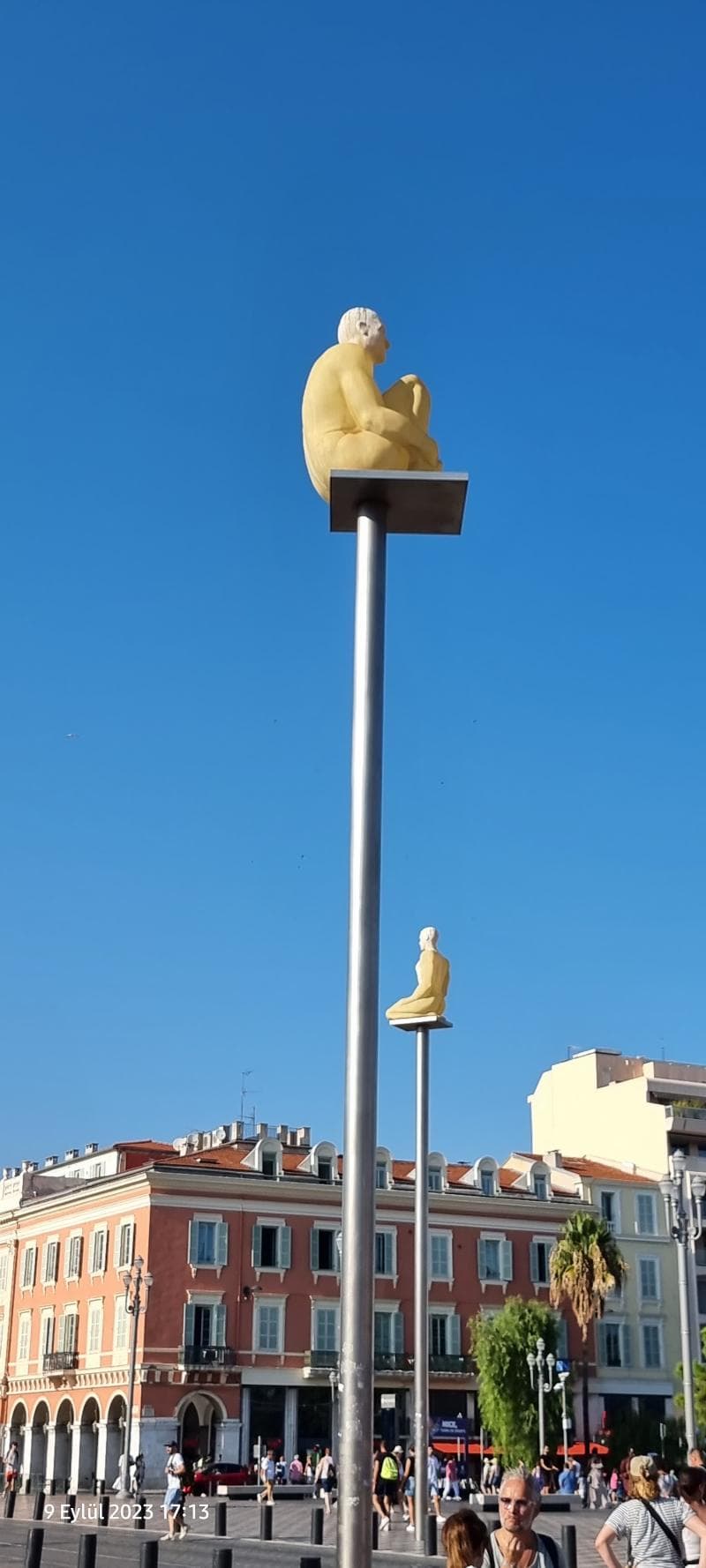
Discover Nice's Fontaine du Soleil in Place Masséna, France. Explore its rich history, unique sculptures, and the surprising stories behind this iconic landmark.
Overview
Nestled at the vibrant southern end of Place Masséna, the Fontaine du Soleil, or 'Fountain of the Sun,' stands as an iconic landmark in Nice, France. This monumental fountain, a captivating blend of art and mythology, serves as a central gathering point and a profound symbol of the city's luminous Mediterranean spirit. Dominated by a magnificent marble statue of Apollo, the Greek god of the sun, it draws the eye and invites visitors to pause and appreciate its intricate details. Surrounding Apollo, five elegant bronze sculptures represent celestial bodies, creating a tableau that speaks to both ancient myth and the wonders of the cosmos. The fountain is not merely a decorative element but an integral part of Nice's identity, reflecting its historical depth and enduring vitality.
History & Cultural Background
The Fontaine du Soleil was inaugurated in 1956, a creation of the French sculptor Alfred Janniot, who envisioned a grand centerpiece for the newly revitalized Place Masséna. At its heart stands a commanding seven-meter-tall statue of Apollo, weighing an impressive seven tons, carved from gleaming marble. He is depicted with four horses atop his head, symbolizing his role in pulling the sun's chariot across the sky. Completing the celestial theme, five bronze figures, also crafted by Janniot, are arranged around the basin, personifying the planets Earth, Mars, Mercury, Venus, and Saturn. This classical ensemble was intended to celebrate light, life, and the region's connection to the sun, becoming a visual anchor in the city's main square.
What Makes It Special
What truly sets the Fontaine du Soleil apart is its powerful combination of classical artistry and evocative symbolism. The sheer scale of Apollo's statue, with its serene expression and flowing form, commands attention, while the surrounding bronze planetary figures add a layer of astronomical and mythological intrigue. The fountain's design beautifully integrates with the surrounding architecture of Place Masséna, a square renowned for its 19th-century buildings and its role as a bustling hub. The gentle cascade of water from the fountain's jets not only creates a soothing acoustic backdrop but also symbolically represents the radiant energy of the sun, bringing life and light to the city. At night, the fountain is exquisitely illuminated, transforming into a mesmerizing spectacle that enhances the square's already lively atmosphere. It serves as a constant reminder of Nice's unique connection to the Mediterranean sun and its vibrant cultural heritage.
Stories, Fun Facts & Local Details
The history of the Fontaine du Soleil is as colorful as the city of Nice itself, marked by a surprising and often humorous controversy. Upon its unveiling in 1956, locals quickly dubbed Apollo's crown of four horses the '4 horsepower statue,' likening it to the popular Renault 4CV car, much to the artist's chagrin. However, the most significant uproar centered on Apollo's classical nudity. Conservative factions found the god's exposed form, particularly his 'manhood,' to be scandalous and 'too large,' leading to public outcry. The sculptor, Alfred Janniot, reportedly even undertook a 'surgical' reduction of the offending part with a hammer and chisel in an attempt to appease critics, earning Apollo the nickname 'the virgin'.
Despite these efforts, the controversy persisted, and in the 1970s, the entire fountain was dismantled due to public pressure and concerns about traffic obstruction. Apollo's statue was exiled to the Charles Ehrmann stadium for about three decades, while the bronze planetary figures languished at a water treatment plant. A public movement and the persistence of the Mayor of Nice eventually led to its triumphant return. The fountain, without Apollo, was reinstalled in 2007 with the arrival of the new tramway, and finally, after a prolonged absence, Apollo himself made his comeback in 2011, restoring the fountain to its original glory. This dramatic saga has only added to the fountain's unique charm, making it a beloved local anecdote.
Visitor Perspective
For any traveler to Nice, the Fontaine du Soleil is more than just a fountain; it is an experience. Standing at the heart of Place Masséna, it offers a perfect vantage point to observe the daily rhythms of the city – from leisurely strolls to vibrant public events. Visitors often find themselves drawn to its majestic presence, using it as a natural meeting spot or a starting point for exploring the surrounding attractions like the Old Town or the Promenade des Anglais. Its grandeur provides countless opportunities for photography, capturing the interplay of water, bronze, and marble against the backdrop of Nice's beautiful architecture. Beyond its visual appeal, the fountain encourages a moment of reflection on the rich history and cultural narratives embedded within its very structure. It truly embodies the lively, sun-drenched essence of Nice, making it an unmissable stop for anyone seeking to connect with the soul of the French Riviera.
Coordinates: 7.27061, 43.6965
View on Google Maps💬 How Travelers Describe This Place
Based on community votes
Must See
951Beautiful
491Unique
414Photogenic
310Interesting
277
Traveler Stories
Discover memorable experiences shared by travelers who have visited this place.
No traveler stories yet.
Be the first traveler to share what made this place memorable.

Tour
By
Spot
Discover amazing places around the world. Your journey starts here.
Explore
© 2026 TourBySpot. All rights reserved.