Fondamenta Dei Vetrai
Venice, Italy
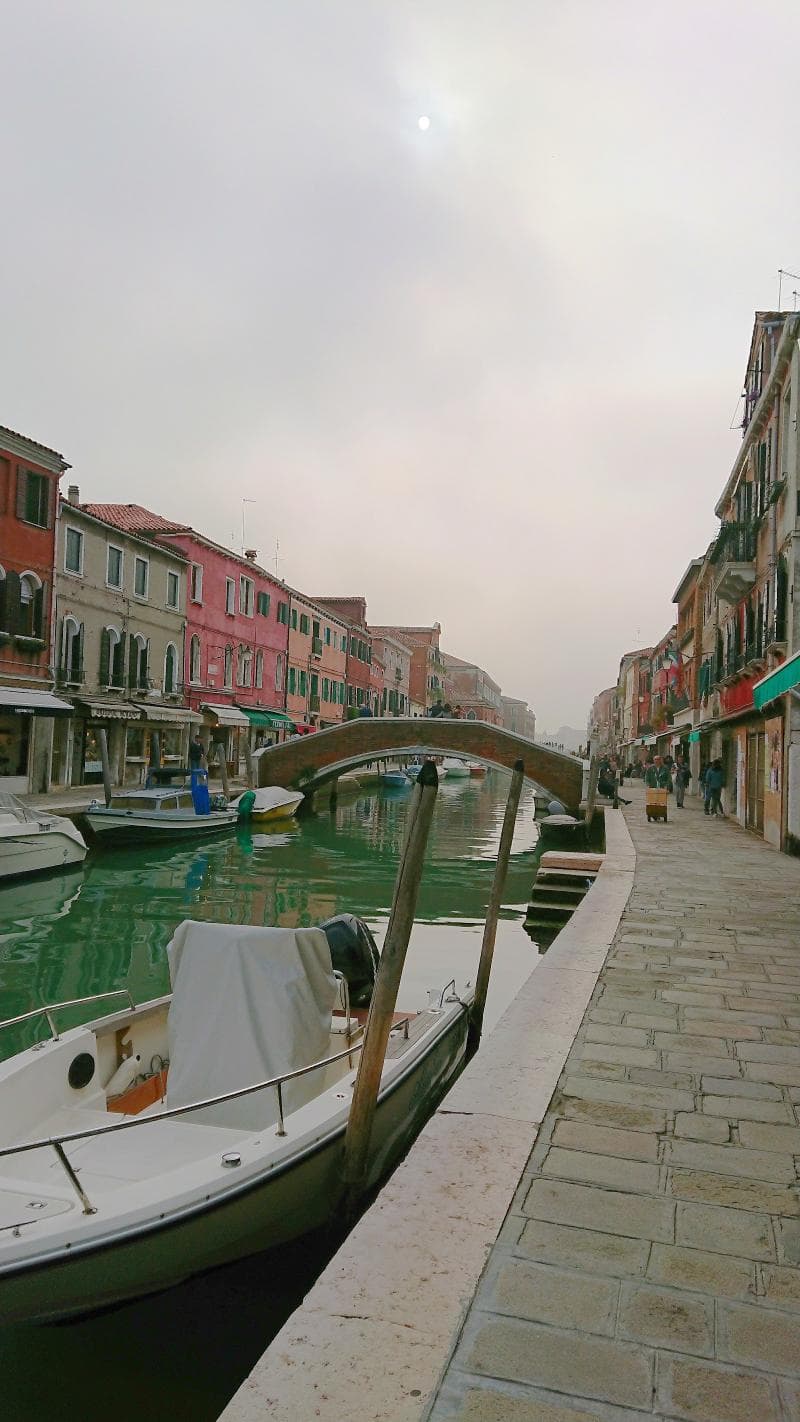
Explore Fondamenta Dei Vetrai on Murano Island, Venice, Italy – the historic heart of glassmaking. Witness master artisans, discover rich history, and find unique glass art.
Overview
Stepping onto Fondamenta Dei Vetrai on Murano Island in Venice, Italy, immediately immerses you in a world where art and history intertwine. This picturesque promenade, often referred to as the 'Stream of Glassmakers' ('Rio dei Vetrai' in Italian), is the vibrant heart of Murano's world-renowned glassmaking tradition. Lined with numerous workshops, showrooms, and galleries, it offers a captivating glimpse into centuries of artisan skill. Visitors can stroll along the canal, admiring dazzling glass creations ranging from delicate jewelry to grand chandeliers, and feel the vibrant atmosphere where the legacy of master craftsmen is kept alive.
Fondamenta Dei Vetrai is more than just a street; it is a living testament to an art form that has shaped the identity and economy of Murano for generations. Here, the air often hums with the hiss of furnaces and the faint shimmer of cooling glass, a constant reminder of the intense heat and meticulous care involved in transforming molten silica into exquisite works of art. It serves as a central hub where the island's celebrated glass artistry is concentrated, making it an essential destination for anyone wishing to understand the soul of Murano.
History & Cultural Background
The origins of glassmaking in the Venetian Lagoon stretch back to around the 10th century, with artisans in Venice already mastering the craft. However, a pivotal moment in Murano's history occurred in 1291. Fearing the devastating risk of fires from the high-temperature glass furnaces in the predominantly wooden city of Venice, and seeking to safeguard the valuable trade secrets, the Venetian authorities issued a decree. This mandate ordered all glassmakers to relocate their operations to the island of Murano.
This strategic move transformed Murano into an unparalleled 'open-air workshop', concentrating all glassmaking expertise in one district. The Fondamenta Dei Vetrai became the frontier of this invention, where generations of glassmakers lived and worked, passing their intricate skills and closely guarded techniques from father to son. Despite the restrictions on their movement—glassmakers were forbidden from leaving the island without special permission—they enjoyed significant privileges, almost on par with the nobility, even being allowed to marry into patrician families. This unique blend of confinement and prestige fostered an environment of intense creativity and innovation, leading to the development of world-renowned Murano glass.
What Makes It Special
What truly sets Fondamenta Dei Vetrai apart is its direct connection to the unparalleled artistry of Murano glass. This craft is renowned globally for its vibrant colors, intricate patterns, and exceptional craftsmanship, qualities that have made it a symbol of Venetian culture for centuries. The masters here work with molten glass at temperatures exceeding 1,000°C, skillfully shaping it with traditional tools and techniques into a myriad of forms.
Visitors can witness live glassblowing demonstrations, a truly mesmerizing experience where liquid fire is transformed into delicate creations before their eyes. These artisans employ techniques passed down through generations, such as producing crystal-clear 'cristallo', the shimmering 'aventurine' with its metallic flecks, and the detailed 'millefiori' patterns. To guarantee authenticity, the 'Vetro Artistico Murano' trademark was established by Italian law in 1994. This tamper-proof seal, with a unique producer number, certifies that a piece was genuinely crafted on Murano using traditional methods, offering assurance of quality and origin to discerning collectors.
Stories, Fun Facts & Local Details
The very name 'Fondamenta Dei Vetrai' itself, and the canal it borders, 'Rio dei Vetrai' (Stream of Glassmakers), clearly tells the story of this area. It reflects the continuous presence of glassmakers and their workshops along its banks for hundreds of years. A notable figure deeply connected to this locale is Abbot Vincenzo Zanetti, born at number 97 on Fondamenta Dei Vetrai in the early 19th century. He played a crucial role in revitalizing Murano's glassmaking art, founding schools for apprentices and establishing the renowned Murano Glass Museum, ensuring the preservation and study of this ancient craft.
Historically, the design of the workshops along the canal was quite practical: many opened directly onto the water. This allowed for the efficient transport of finished pieces across the lagoon, a testament to Venice's trade dominance and Murano's integral role within it. It is also a fun fact that Murano, despite being part of Venice, once had the unique privilege of minting its own coins, highlighting its distinct identity and importance within the Venetian Lagoon.
Visitor Perspective
A visit to Fondamenta Dei Vetrai is an immersive journey into Murano's soul. The best way to experience it is by taking a 'vaporetto' (water bus) from Fondamenta Nove in Venice; the journey itself offers scenic views of the lagoon. Arriving early in the day is recommended to avoid the crowds and enjoy a more relaxed exploration of the glass studios.
As you wander along the Fondamenta, you will be surrounded by a dazzling array of glass art in the numerous shops and galleries. Many workshops invite visitors to watch master craftsmen at work, showcasing the intricate process of glassblowing. Some even offer hands-on experiences or workshops where you can try your hand at shaping molten glass and create your own unique souvenir. While prices for authentic Murano glass can be high, the quality and artistic value are generally considered to be well worth the investment, especially when looking for pieces certified by the 'Vetro Artistico Murano' trademark. This vibrant promenade promises an unforgettable cultural experience, connecting you directly to the living heritage of Murano's glass art.
Coordinates: 12.352066, 45.4584293
View on Google Maps💬 How Travelers Describe This Place
Based on community votes
Interesting
800Must See
658Beautiful
589Photogenic
387Unique
90
Traveler Stories
Discover memorable experiences shared by travelers who have visited this place.
No traveler stories yet.
Be the first traveler to share what made this place memorable.

Tour
By
Spot
Discover amazing places around the world. Your journey starts here.
Explore
© 2026 TourBySpot. All rights reserved.