Folk Art Exhibits
Bucharest, Romania
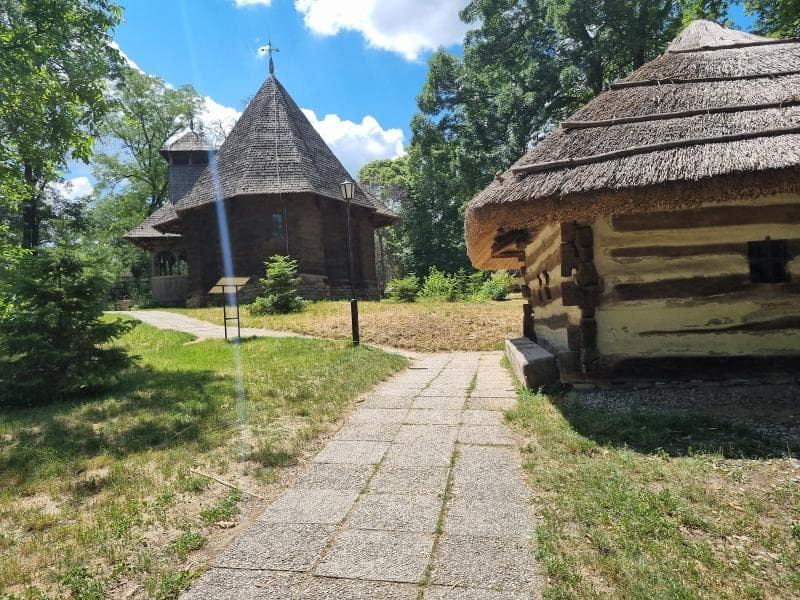
Explore the Folk Art Exhibits at the "Dimitrie Gusti" National Village Museum in Bucharest, Romania. Discover traditional crafts, textiles, pottery, and authentic village architecture from centuries past.
Overview
Stepping into the 'Folk Art Exhibits' at the "Dimitrie Gusti" National Village Museum in Bucharest, Romania, is like embarking on a captivating journey through time and tradition. This remarkable open-air ethnographic museum, nestled within King Michael I Park, offers an immersive experience into the soul of rural Romania. Rather than a conventional indoor display, the museum presents a living village, meticulously reconstructed with authentic peasant homes, churches, windmills, and workshops, all dating from the 17th to the 20th century. These structures, relocated from various ethnographic regions across the country, are not merely shells but are filled with the very objects that tell the story of Romanian folk art and daily life.
Here, the folk art is intrinsic to the environment, embedded in the architecture, the household items, and the very fabric of the traditions preserved. Visitors discover an extensive collection of over 50,000 artifacts, ranging from intricate wooden carvings and vibrant textiles to sturdy pottery and religiously significant icons. Each element contributes to a profound understanding of the Romanian peasant's ingenuity, artistic sensibility, and deep connection to their land and heritage.
History & Cultural Background
The "Dimitrie Gusti" National Village Museum was conceived from a profound respect for Romania's agrarian roots. Inaugurated in 1936, it was the brainchild of sociologist Dimitrie Gusti, who, along with his team, undertook extensive field research across Romanian villages. Their mission was to document and preserve the reality of rural life, acknowledging the village's central role in Romanian culture, even in the early 20th century. The museum's innovative approach involved dismantling authentic buildings from their original locations and carefully reassembling them on the museum grounds in Bucharest.
This pioneering effort created one of Europe's earliest and most significant open-air museums, a 'time capsule' bringing rural Romania into the capital city. The folk art showcased here is a direct reflection of centuries of peasant life, where utility and beauty were inextricably linked. Every tool, every garment, every decorative element served a purpose while also embodying the aesthetic values and spiritual beliefs of its maker. This collection truly represents the collective memory and creative spirit of generations of Romanian villagers.
What Makes It Special
What truly sets the Folk Art Exhibits here apart is their contextual presentation. Unlike a typical museum where objects are behind glass, here you step directly into the homes and workshops, experiencing folk art as it was meant to be lived with. The collections are housed within the very buildings they represent, creating a tangible link to the past. Visitors can admire the finely carved wooden gates from Maramureș, the hand-painted religious artworks on wood or glass, and the vibrant handwoven carpets that once adorned peasant homes.
The museum's permanent exhibition includes 12 distinct collections, covering categories such as wood, traditional costume, carpets, religious objects, textiles, and ceramics, ensuring a comprehensive view of regional diversity. The authenticity extends to the interiors, complete with traditional looms, pottery, and household shrines, making it feel as though the residents have just stepped out. This holistic approach provides not just a visual feast but an educational journey into the practical artistry of Romanian rural communities.
Stories, Fun Facts & Local Details
Imagine a time when the original homeowners, sometimes accompanied by their livestock, would temporarily reside in these relocated houses to bring the exhibits to life for visitors. This early, deeply immersive form of living history truly highlighted the 'lived' nature of the folk art. Today, the museum continues this tradition of vitality through various events, including craftsmanship workshops, traditional fairs, and performances of folk music and dance.
You might encounter artisans demonstrating traditional crafts like pottery, weaving, or glass painting, offering a rare glimpse into the techniques passed down through generations. The sheer variety of architectural styles, from the tall foundations of mountain houses to the low, half-buried dwellings in invasion-prone areas, tells a story of adaptation and regional identity, each adorned with distinct folk art elements. Even the simple act of strolling along the paths by Herăstrău Lake, surrounded by these centuries-old structures, connects you to the rhythms of a bygone era.
Visitor Perspective
For any curious traveler, the "Dimitrie Gusti" National Village Museum offers a uniquely tranquil and soulful experience within the bustling city of Bucharest. It's a place where you can easily spend several hours, discovering not just artifacts but the creative soul of the Romanian peasant. The open-air setting allows for a leisurely exploration, perfect for families and anyone seeking a deeper cultural understanding. The layout, resembling a real village, encourages wandering and discovery at one's own pace.
Visitors often remark on how effectively the museum transports them back in time, feeling less like an exhibition and more like a journey through authentic rural communities. The blend of architectural beauty, functional artistry, and the serene park environment makes it an unforgettable destination. It is an ideal spot to gain insight into the diverse heritage and enduring traditions that have shaped Romania, all presented through its rich and varied folk art.
Coordinates: 26.07656, 44.47336
View on Google Maps💬 How Travelers Describe This Place
Based on community votes
Photogenic
446Unique
152Interesting
33Must See
30Beautiful
16
Traveler Stories
Discover memorable experiences shared by travelers who have visited this place.
No traveler stories yet.
Be the first traveler to share what made this place memorable.

Tour
By
Spot
Discover amazing places around the world. Your journey starts here.
Explore
© 2026 TourBySpot. All rights reserved.