Fløyen Summit
Bergen, Norway
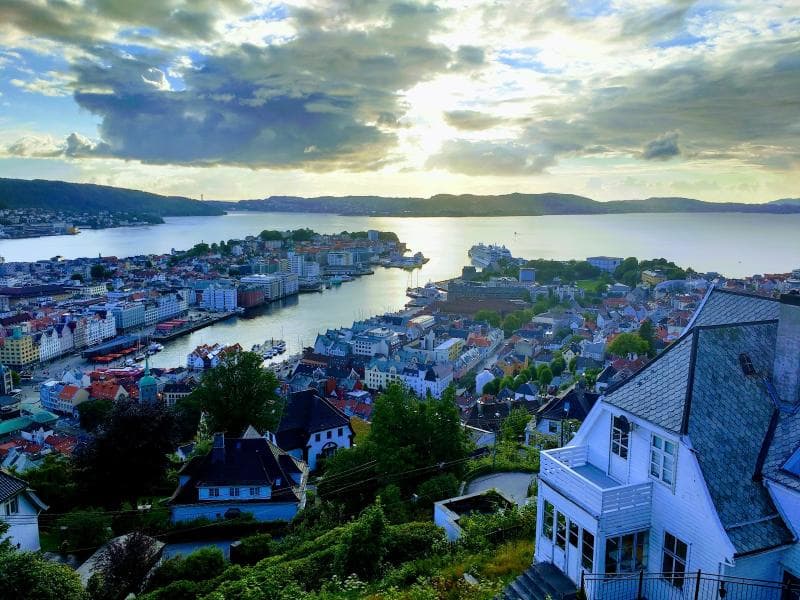
Discover Fløyen Summit in Bergen, Norway, offering breathtaking panoramic views, funicular rides, and family-friendly activities.
Overview
Perched 320 meters above sea level, Fløyen Summit offers a breathtaking panorama of Bergen, Norway. As one of the iconic ‘seven city mountains’ surrounding this vibrant port city, Fløyen is not merely a viewpoint but a dynamic destination. It provides stunning vistas of the cityscape, the intricate fjords, and the sprawling archipelago that defines Norway's west coast. While the mountain itself, Fløyfjellet, reaches 399-400 meters, the 'summit' or plateau area, often simply referred to as Fløyen, is the highly accessible hub at the funicular's top station. Most visitors ascend via the famed Fløibanen funicular, a scenic journey that whisks you from the city center to the top in just six to eight minutes. Alternatively, for those who prefer a more active approach, well-maintained hiking paths lead to the summit in about 45 to 60 minutes. Fløyen is a beloved spot for both locals seeking recreation and travelers eager to experience Bergen's natural beauty.
History & Cultural Background
The story of Fløyen is intricately linked with the Fløibanen funicular, an engineering marvel that revolutionized access to Bergen's urban wilderness. The initial concept for a transport system to Mount Fløyen emerged as early as 1895, proposed by local Member of Parliament, John Lund. After overcoming various challenges, including delays caused by World War I and material shortages, construction began in 1914, with the funicular finally opening to the public on January 15, 1918. This historic railway transformed the mountain, making its natural beauty accessible to a much broader audience, extending beyond seasoned hikers to families and casual visitors alike. Originally, the funicular cars were crafted from oiled teak; in the post-war era, they were famously painted red and blue, symbolizing the Norwegian flag, a testament to its integration into the national identity. The funicular quickly became, and remains, one of Norway's most popular tourist attractions. The mountain itself has long served as a prominent landmark for the people of Bergen, inspiring artists and writers throughout the ages.
What Makes It Special
Fløyen Summit stands out for its unique blend of accessibility and diverse offerings. The journey itself is part of the allure, as the glass-roofed Fløibanen funicular provides an engaging ascent with ever-expanding views. Once at the top, visitors are greeted by a sprawling recreational area, rich with activities for all ages. Extensive networks of hiking trails cater to every preference, from leisurely strolls to the picturesque Skomakerdiket lake, to more strenuous, multi-hour treks across 'Vidden' to Mount Ulriken. For families, a large playground and an exciting obstacle course nestled within the woods provide endless entertainment. The mysterious Troll Forest, populated by whimsical wooden sculptures, sparks imagination and adventure. During summer months, the idyllic Skomakerdiket lake offers the rare and delightful opportunity for free canoeing and paddleboarding, inviting visitors to connect with nature in a serene setting. Culinary experiences range from casual treats at Fløistuen Café to exquisite dining at Fløirestauranten, both offering stunning views.
Stories, Fun Facts & Local Details
Bergen proudly calls itself the 'city of seven mountains,' and Fløyen holds a special place among them as the closest and most frequented from the city center. Its very name, 'Fløyen,' is believed to originate from 'fløystangen,' a weather vane once used to guide sailing ships, highlighting the mountain's historical importance to maritime Bergen. A unique charm of Fløyen is its resident herd of friendly goats, affectionately known as 'Fløyenguttene,' who often greet visitors with their curious presence. The Fløibanen funicular, an attraction in its own right, carries over a million passengers annually, solidifying its status as one of Norway's most cherished landmarks. A delightful detail for food enthusiasts is that some of the fresh produce, including vegetables and edible flowers, used in the Fløistuen Café is cultivated right on Mount Fløyen, embracing a true farm-to-table philosophy. In winter, the mountain transforms into a snowy wonderland, with its floodlit roads becoming popular slopes for sledding. For those seeking an extraordinary overnight stay, 'The Cone' offers a unique glamping experience high up in the treetops.
Visitor Perspective
A visit to Fløyen Summit promises a memorable experience for travelers of all ages and abilities. The convenience of the Fløibanen funicular ensures that even those with limited mobility or young children can effortlessly reach the panoramic viewpoint. The area is designed to be inclusive, with trails suitable for strollers and wheelchairs, particularly the path leading to Skomakerdiket lake. Many visitors choose to take the funicular up and then enjoy a pleasant downhill walk back to the city center, a journey that typically takes about an hour, allowing for continued enjoyment of the scenery. To make the most of your time on Fløyen, especially during colder months, it is advisable to wear suitable clothing, including warm and waterproof layers, as mountain weather can be unpredictable. With its range of activities, from playgrounds and troll hunting for children to serene lakeside canoeing and extensive hiking routes, Fløyen can easily fill a half-day or even a full day of exploration. Ample facilities, including cafes and shops, ensure that refreshment and souvenirs are always within reach, making for a comfortable and engaging visit.
Coordinates: 5.345851, 60.398037
View on Google Maps💬 How Travelers Describe This Place
Based on community votes
Must See
836Beautiful
797Photogenic
695Interesting
396Unique
286
Traveler Stories
Discover memorable experiences shared by travelers who have visited this place.
No traveler stories yet.
Be the first traveler to share what made this place memorable.

Tour
By
Spot
Discover amazing places around the world. Your journey starts here.
Explore
© 2026 TourBySpot. All rights reserved.