Florentine Gothic Rooms
Florence, Italy
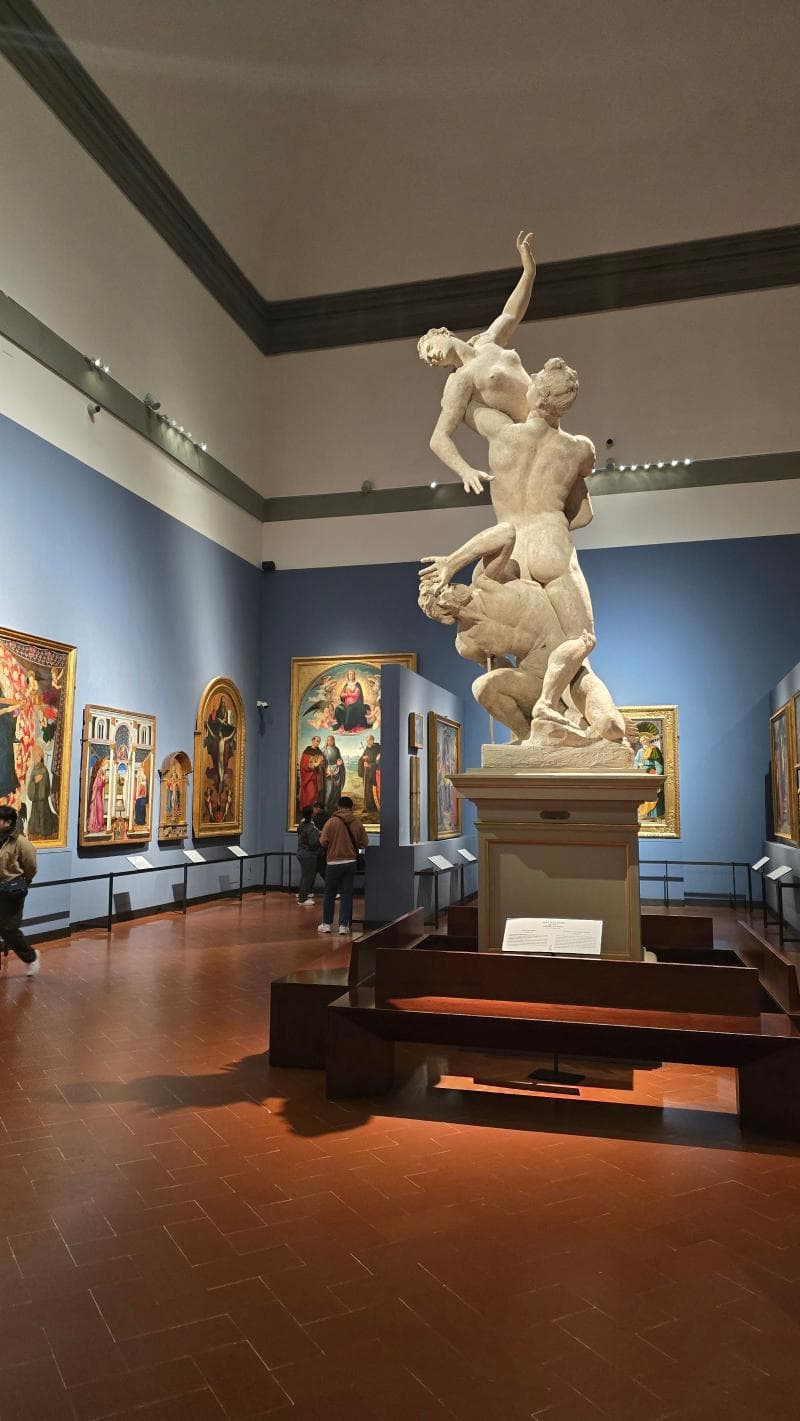
Discover the profound beauty of Florentine Gothic Rooms in Florence, Italy. Explore 13th-15th century gold-backed altarpieces and early Italian art.
Overview
Stepping into the Florentine Gothic Rooms of the Accademia Gallery in Florence, Italy, offers a profound journey back in time, preceding the iconic Renaissance masterpieces for which the city is most famous. These rooms house an invaluable collection of Florentine Gothic paintings, primarily from the 13th to the early 15th centuries. Unlike the dramatic focal point of Michelangelo's David, this section provides a quieter, more contemplative experience, showcasing the rich artistic heritage that laid the groundwork for the Renaissance. The collection comprises numerous gold-backed altarpieces, polyptychs, and devotional panels, many of which were originally commissioned for churches and convents across Florence and Tuscany.
Situated predominantly on the ground floor, and extending to a dedicated section on the first floor, these galleries allow visitors to trace the evolution of art during a transformative period. They reveal the intricate details and profound spiritual narratives that defined Florentine art before the full bloom of the Renaissance. It is a testament to the enduring power of faith and artistic skill that these works, some over 700 years old, continue to resonate deeply today.
History & Cultural Background
The foundation of the Accademia Gallery itself dates back to 1784, when Grand Duke Pietro Leopoldo of Tuscany reorganized the Academy of Arts of Design and established the museum. The collection of Florentine Gothic art grew significantly through the suppression of religious institutions, first by Pietro Leopoldo in 1786 and later by Napoleon in 1810. This act, while politically driven, inadvertently preserved a wealth of sacred art that might otherwise have been dispersed or lost. These artworks, once adorning the altars and chapels of Florence's churches and convents, were brought together to serve as didactic models for art students, illustrating the styles and techniques of earlier masters.
The cultural context of these works is deeply rooted in medieval piety and the nascent stages of artistic innovation. This period saw a fascinating transition from the rigid, stylized forms of Italo-Byzantine art to the burgeoning naturalism championed by artists like Giotto. Florence, a powerful and wealthy city-state, was a hub for artistic patronage, with both the Church and wealthy guilds commissioning elaborate pieces. The works in these rooms reflect the devotional needs and socio-economic dynamics of Florentine society during the 14th century.
What Makes It Special
What truly sets the Florentine Gothic Rooms apart is their ability to transport you to a world steeped in profound religious devotion and symbolic artistry. Here, you witness the distinctive characteristics of Gothic painting: the lavish use of gold leaf, often meticulously punched and engraved to create shimmering halos and celestial backgrounds; the vibrant, almost jewel-like colors that speak of a rich spiritual landscape; and the didactic storytelling embedded in each panel.
The collection showcases the mastery of artists who, while working within strict theological conventions, began to introduce subtle shifts towards greater realism and human emotion. This makes the rooms a crucial bridge between the static grandeur of Byzantine icons and the revolutionary humanism of the Renaissance. You can observe the gradual development of perspective, the evolving depiction of human forms, and the increasing narrative complexity that foreshadowed the artistic explosion to come. Recent reorganizations, including modernized lighting, have further enhanced the viewing experience, allowing these ancient masterpieces to reveal their brilliance anew.
Stories, Fun Facts & Local Details
Among the many treasures, one particularly captivating piece is Pacino di Bonaguida's 'Tree of Life' (circa 1305-1310). This intricate, tree-shaped crucifix symbolizes Salvation, with its branches laden with roundels depicting scenes from Christ's life, Passion, and Resurrection. At its roots, you find scenes from Genesis, connecting the beginning and end of salvation history. Originally housed in a Clarissa nuns' convent, it is a magnificent example of the era's theological and artistic synthesis.
Another fascinating aspect is observing the subtle influences of Giotto, considered 'the most sovereign master of painting in his time' by chronicler Giovanni Villani. While only a fragment of a detached fresco attributed to Giotto is present, works by his closest pupils, like Taddeo Gaddi, demonstrate Giotto's revolutionary approach to natural portrayal. Taddeo Gaddi's trefoiled panels, illustrating scenes from the Life of Christ and St. Francis of Assisi, offer a glimpse into the didactic role art played in medieval Florence, sometimes having adorned choir stalls.
The rooms also feature works by the Orcagna brothers, such as Jacopo di Cione's 'Coronation of the Virgin,' a large altarpiece that once graced a burial chapel in Santa Maria Novella. These pieces, with their detailed portrayals of saints in rich, period-appropriate clothing, offer insights into the patronage and social fabric of 14th-century Florence, where even saints' attire became a reflection of contemporary fashion.
Visitor Perspective
For the curious traveler, the Florentine Gothic Rooms offer a peaceful respite from the more bustling areas of the Accademia Gallery. While many visitors flock directly to David, taking the time to explore these often-less-crowded upper and ground floor rooms provides a richer, more comprehensive understanding of Florentine art history. The atmosphere is typically placid and charming, allowing for unhurried contemplation of these ancient works. You can observe the delicate brushwork, the emotional expressions, and the spiritual intensity that characterized an entire era. It is an opportunity to appreciate the evolution of artistic thought and technique, recognizing the foundational achievements that paved the way for the Renaissance titans. Walking through these rooms is not just seeing old paintings; it is engaging with the very soul of medieval Florence, understanding the beliefs and artistic endeavors that shaped a legendary city.
Coordinates: 11.2587, 43.7769
View on Google Maps💬 How Travelers Describe This Place
Based on community votes
Must See
491Photogenic
443Beautiful
414Interesting
310Unique
277
Traveler Stories
Discover memorable experiences shared by travelers who have visited this place.
No traveler stories yet.
Be the first traveler to share what made this place memorable.

Tour
By
Spot
Discover amazing places around the world. Your journey starts here.
Explore
© 2026 TourBySpot. All rights reserved.