Fjord Observation Area
Oslo, Norway
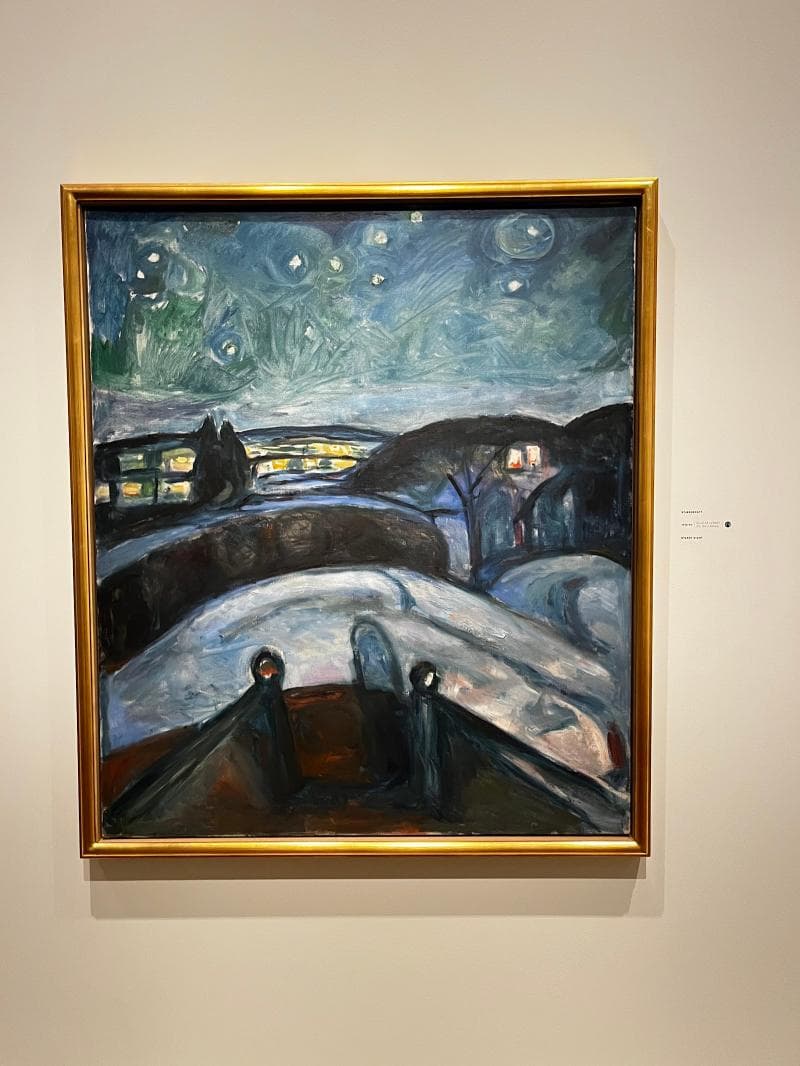
Discover the Fjord Observation Area at MUNCH in Oslo, Norway, offering panoramic views of the city and Oslofjord from its iconic upper floors.
Overview
Perched atop the distinctive MUNCH museum in Oslo, Norway, the Fjord Observation Area offers a breathtaking panoramic perspective of the city, the surrounding mountains, and the iconic Oslofjord. While not a separate, formally named attraction, this viewing experience is an integral and unforgettable part of visiting MUNCH, specifically accessible from the museum's upper floors, which house a restaurant and sky bar. Visitors ascend to the 12th and 13th floors of this modern architectural marvel to gaze upon the same stunning landscape that captivated Edvard Munch throughout his life and art. It is a place where art, architecture, and nature converge, providing a unique vantage point to appreciate Oslo's dynamic waterfront and natural beauty.
History & Cultural Background
The MUNCH museum, opened in 2021, stands as a beacon on Oslo's Bjørvika waterfront, dedicated to preserving and exhibiting the vast legacy of Norway's most celebrated artist, Edvard Munch. Designed by the Spanish architectural firm Estudio Herreros, the building itself is a testament to modern innovation, rising 13 stories high with a signature lean towards the fjord. This intentional tilt, a 'bow towards the city', was conceived to establish a visual dialogue with the surrounding urban landscape, including the nearby Oslo Opera House, and to ensure that the upper levels offer unparalleled views. Edvard Munch frequently found inspiration in the landscapes around the Oslofjord, and the museum's placement and design intentionally connect visitors to these sources of his artistic genius. The architect's vision was to create a 'vertical museum' that not only showcases art but also actively engages with its urban context and the natural environment that shaped Munch's work.
What Makes It Special
What truly sets the Fjord Observation Area at MUNCH apart is the ingenious integration of world-class art with a spectacular natural setting. The 13-story structure, clad in recycled, perforated aluminum panels that shimmer and reflect Oslo's changing light, creates an ever-evolving visual landmark. From the upper floors, guests are treated to sweeping, unobstructed views that span 360 degrees, encompassing the bustling city center, the serene waters of the Oslofjord, and the distant, rugged mountains. This 'ascending itinerary' through the museum culminates in an extraordinary 'vertical city experience', offering a unique perspective that changes as one ascends. The intentional design ensures that whether you're admiring a masterpiece inside or gazing out at the fjord, the connection between Munch's art and the Norwegian landscape remains palpable. It's a place where the architectural experience enhances the natural one, making the viewing truly immersive.
Stories, Fun Facts & Local Details
One of the most compelling aspects of observing the fjord from MUNCH is the historical echo it creates. Edvard Munch himself was profoundly moved by the sceneries of the Oslofjord, often finding solitude and inspiration there. Imagine standing on the very same fjord that inspired the emotional intensity seen in his works, gazing at a horizon that once fueled his creative spirit. The museum's location in Bjørvika, a rapidly redeveloped waterfront district, adds another layer of interest. This area has transformed from an industrial port into a vibrant cultural hub, making the views from MUNCH not just of natural beauty but also of urban revitalization and modern Norwegian life. The building's striking lean, which has garnered much discussion, is not merely aesthetic; it symbolizes the museum's dynamic relationship with the city and acts as a welcoming gesture, literally bending towards Oslo.
Visitor Perspective
For any curious traveler, a visit to the Fjord Observation Area at MUNCH is a multi-sensory experience. After exploring the extensive collections of Edvard Munch's work, a trip to the upper floors offers a moment of reflection and a visual feast. The restaurant on the 12th floor and the bar on the 13th floor provide a perfect setting to relax and enjoy the views, whether over a meal or a drink. Photography is encouraged, allowing visitors to capture the stunning vistas, though it's advised to be mindful of reflections when shooting through glass. The accessible nature of the museum, with lifts and facilities catering to all, ensures that everyone can partake in this unique viewing opportunity. Whether you seek artistic inspiration, a deeper connection to Norwegian culture, or simply a magnificent view, the Fjord Observation Area provides an unforgettable vantage point over Oslo and its picturesque fjord.
Coordinates: 10.75531, 59.90575
View on Google Maps💬 How Travelers Describe This Place
Based on community votes
Beautiful
673Photogenic
219Interesting
186Must See
143Unique
80
Traveler Stories
Discover memorable experiences shared by travelers who have visited this place.
No traveler stories yet.
Be the first traveler to share what made this place memorable.

Tour
By
Spot
Discover amazing places around the world. Your journey starts here.
Explore
© 2026 TourBySpot. All rights reserved.