Five-Dragon Pavilions
Beijing, China
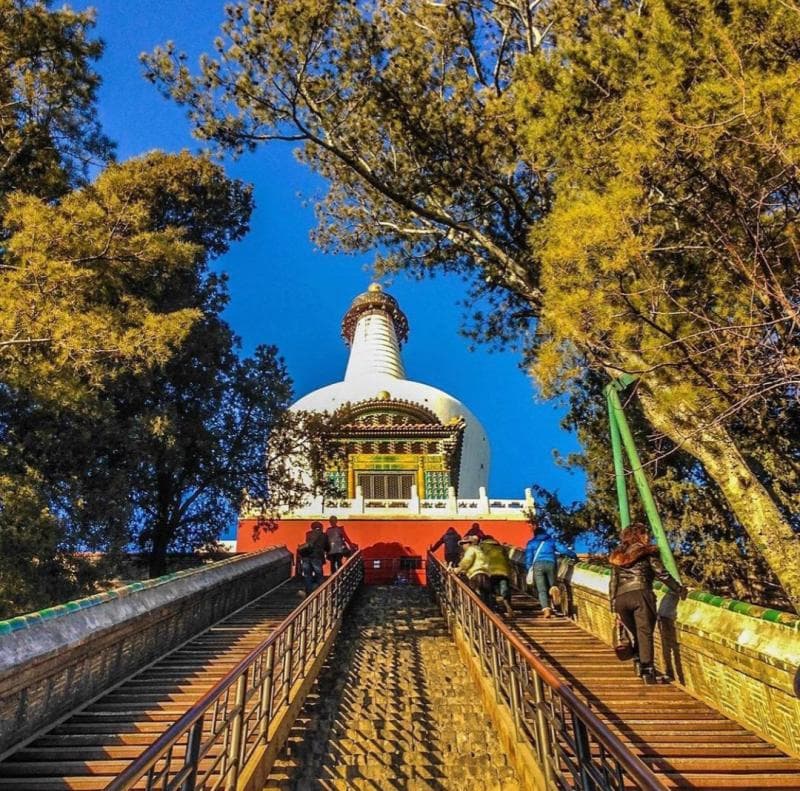
Explore the historic Five-Dragon Pavilions in Beihai Park, Beijing, China. Discover these Ming Dynasty waterside structures, their unique dragon-like architecture, and rich imperial history.
Overview
Nestled within the expansive Beihai Park in Beijing, China, the Five-Dragon Pavilions, known locally as Wulongting, present a breathtaking architectural marvel. This collection of five interconnected pavilions gracefully extends from the northern bank of Taiye Pool, or Beihai Lake, into its calm waters. From a distance, their unique arrangement with distinct spires and upturned eaves creates the captivating illusion of a grand dragon frolicking in the lake. These pavilions are a highlight for any visitor to Beihai Park, offering both scenic beauty and a glimpse into imperial leisure.
History & Cultural Background
Beihai Park itself boasts a rich history stretching back over a millennium, making it one of China's oldest and most well-preserved imperial gardens. Its origins trace back to the Liao Dynasty, established between 916 and 1125. The park's design is steeped in Chinese mythology, with its central lake and islands (such as the Jade Flowery Islet) meticulously crafted to mimic the legendary 'three magic mountains'—Penglai, Yingzhou, and Fangzhang. These mythical islands were believed to house immortals and possess an elixir of eternal life, a concept that profoundly influenced the layout of many imperial gardens throughout Chinese history, including Beihai Park.
The Five-Dragon Pavilions specifically came into being during the Ming Dynasty, first constructed in 1602 during the Wanli reign. Later, they underwent significant rebuilding in 1651 during the Qing Dynasty's Shunzhi reign and received numerous renovations, particularly under Emperor Qianlong. Throughout the dynasties, these pavilions served as a cherished retreat for emperors and the imperial family, a tranquil spot for drinking tea, fishing, and immersing themselves in the serene beauty of the surrounding nature.
What Makes It Special
The distinctiveness of the Five-Dragon Pavilions lies in their harmonious blend of architectural ingenuity and symbolic representation. The five individual pavilions are linked by gracefully curved white marble bridges and corridors, giving them their iconic, serpentine form as they stretch over the water. This artistic configuration intentionally evokes the image of a dragon playing amidst the waves, a powerful and auspicious symbol in Chinese culture.
Each pavilion served a specific imperial purpose, reflected in its design and decoration. The central and largest pavilion, known as Longze Pavilion, was exclusively reserved for the emperor. Its majestic double-eaved pointed roof and rounded base symbolize the ancient Chinese cosmological belief that 'Heaven is round, Earth is square'. Inside, an intricately coiled dragon caisson ceiling underscores its imperial significance. The two pavilions flanking Longze, the Chengxiang and Songrui Pavilions, were designated for high-ranking ministers and officials, featuring double-eaved four-cornered pointed roofs. The outermost pavilions, Zixiang and Fucui, were for accompanying attendants, characterized by single-eaved four-cornered pointed roofs.
Beyond their structural layout, the pavilions are adorned with exquisite details, including elaborate carvings, vibrant paintings on their beams and pillars, green glazed roof tiles with yellow edges, and delicate gold spiral paintings beneath their eaves, all contributing to their magnificent and regal aesthetic. From the pavilions, visitors are treated to panoramic vistas that encompass the iconic White Dagoba atop Qionghua Island, the shimmering expanse of Taiye Pool, and even distant landmarks like the Wanchun Pavilion in Jingshan Park and the modern China Zun building, creating a unique juxtaposition of ancient and contemporary Beijing. The architectural style of the Five-Dragon Pavilions, alongside the White Dagoba, proved so influential that it inspired the design of later structures, such as the Five-Pavilion Bridge in Yangzhou's Slender West Lake Scenic Area.
Stories, Fun Facts & Local Details
The very name 'Wulongting', translating to 'Five Dragon Pavilions', directly reflects the captivating visual metaphor of dragons in water. This imagery is not merely an aesthetic choice but deeply rooted in Chinese cultural reverence for dragons, symbols of power, wisdom, and good fortune. It’s a delightful detail to consider how the pavilions were intentionally arranged to create this powerful visual narrative for the imperial observers.
A fascinating aspect of their history is the hierarchical use of the pavilions. During imperial gatherings, the distinct architectural styles and positions of the five structures subtly indicated the rank of the officials present, offering a glimpse into the strict court etiquette of imperial China. The pavilions were not just for show; they were a place where emperors could indulge in simple pleasures like tea drinking and fishing, a rare moment of respite from their arduous duties.
Beihai Park, with its mythical island inspiration, is a testament to the ancient Chinese quest for immortality. The park's landscape itself is a grand story, recreating a mythical realm. The Five-Dragon Pavilions, with their elegant form and waterside setting, beautifully embody a fusion of the formal solemnity expected of a royal garden and the gentle, almost poetic, elegance reminiscent of the waterside pavilions found in the Jiangnan region.
Visitor Perspective
For the modern traveler, visiting the Five-Dragon Pavilions offers a deeply immersive experience into China's imperial past and rich cultural heritage. A morning visit, particularly, provides a serene atmosphere with fewer crowds, allowing for quiet contemplation and appreciation of the intricate architecture and tranquil surroundings. As you stroll across the connecting bridges, you can almost imagine emperors of old enjoying the same peaceful views.
The pavilions provide an exceptional vantage point for photographing the iconic White Dagoba on Qionghua Island, which rises majestically across the lake. The interplay of light on the green-tiled roofs, the reflections in the water, and the distant skyline create a timeless scene. Observing the changing scenery with the seasons, from swaying willows in spring to gentle ripples on the lake, adds another layer of charm to the visit. It is a place that encourages lingering, offering a quiet escape from the urban bustle and a profound connection to the historical and aesthetic sensibilities of imperial China.
Coordinates: 116.39723, 39.9075
View on Google Maps💬 How Travelers Describe This Place
Based on community votes
Unique
836Interesting
797Photogenic
286Beautiful
255Must See
86
Traveler Stories
Discover memorable experiences shared by travelers who have visited this place.
No traveler stories yet.
Be the first traveler to share what made this place memorable.

Tour
By
Spot
Discover amazing places around the world. Your journey starts here.
Explore
© 2026 TourBySpot. All rights reserved.