Fish Market
Venice, Italy
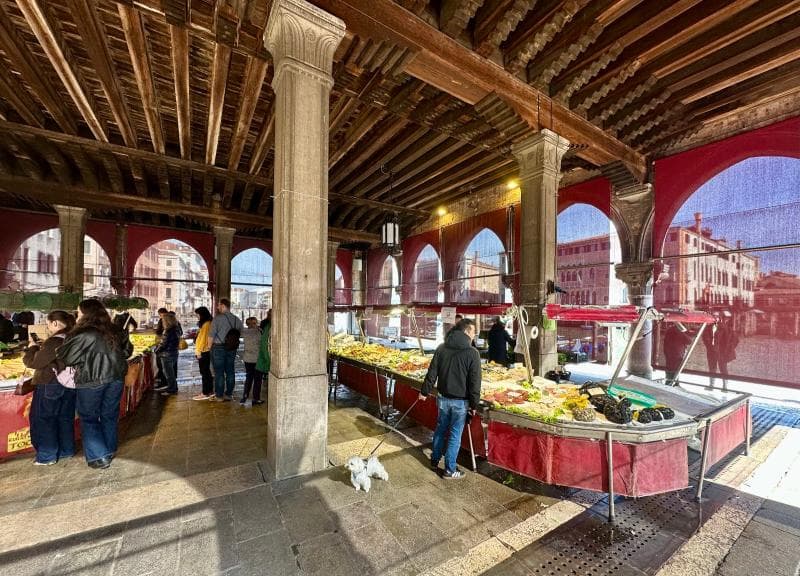
Explore Venice's historic Rialto Fish Market, Pescheria di Rialto. Discover fresh lagoon seafood, Neo-Gothic architecture, and Venetian culture in Italy.
Overview
Nestled just beyond the iconic Rialto Bridge, on the bustling San Polo side of Venice, lies the historic Pescheria di Rialto, famously known as the Rialto Fish Market. This vibrant marketplace is far more than just a place to buy seafood; it is a living testament to Venice's enduring relationship with the Adriatic Sea and its rich commercial past. Here, amidst the calls of vendors and the fresh scent of the lagoon, you'll discover a culinary heart that has pulsed for centuries.
The Pescheria operates within a distinctive Neo-Gothic loggia, a picturesque setting that draws both local chefs seeking the day's freshest catch and curious travelers eager to witness an authentic slice of Venetian life. Adjacent to the fish market, you'll also find the Erbaria, a colorful fruit and vegetable market, completing the sensory feast that defines the Rialto Market district.
History & Cultural Background
The origins of the Rialto Market stretch back over a millennium, with the first mentions of a marketplace in the Rialto area dating to at least the 11th century, and possibly as early as 1097. Official fish sales were regulated by the 'Giustizia Vecchia' from 1227, underscoring its long-standing importance to the city's food supply and economy. Initially situated directly next to the Rialto Bridge, the market was relocated in 1459, partly due to the odors and commotion disturbing the nearby noble banking establishments.
The current architectural gem housing the Pescheria is a Neo-Gothic structure built in 1907, designed by architect Domenico Rupolo with contributions from artist Cesare Laurenti. This enduring marketplace has survived numerous fires and rebuilds throughout its history, each time re-emerging as a cornerstone of Venetian commerce. It represents a profound connection between the city, its lagoon, and the sea, demonstrating how daily sustenance and trade have shaped Venice for over 900 years.
What Makes It Special
What truly sets the Rialto Fish Market apart is its unparalleled selection of fresh seafood, primarily sourced from the Venetian Lagoon and the Adriatic Sea. Visitors can expect to find glistening displays of local specialties like 'seppie' (cuttlefish), 'moeche' (soft-shell crabs, seasonally available), sardines, scampi, and sea bass. This commitment to local, seasonal produce highlights the market's role in preserving Venetian culinary traditions and supporting sustainable fishing practices, an ethos reflected in ancient market regulations.
Beyond the fresh catches, the market's Neo-Gothic architecture is a sight to behold. The columns of the loggia feature intricately carved capitals, each a unique work of art depicting various marine creatures such as seahorses, lobsters, crabs, and octopuses, alongside boats and nautical themes. These detailed sculptures add an unexpected layer of artistic and historical richness to the daily hustle, making it a feast for the eyes as well as the palate.
Stories, Fun Facts & Local Details
Throughout its history, the Rialto Fish Market has been governed by strict rules. Early regulations dictated not only where fish could be sold but also set fixed prices and minimum sizes to prevent speculation and ensure fair trade. Interestingly, a decree from 1531 reveals that, for several centuries, the market sold not only fish but also birds.
A delightful local detail to observe on the column capitals are carvings that include the signatures of the market's designers and representations of baskets called 'vieri', used by fishermen to keep their catch fresh during transport. Visiting early in the morning offers a glimpse into the genuine Venetian routine, long before tourist crowds arrive, when the market truly belongs to the locals and restaurant owners. However, a word to the wise: be mindful of the famously opportunistic seagulls, known to snatch snacks right from an unwary hand!
Visitor Perspective
For an authentic and immersive experience, plan your visit to the Rialto Fish Market early in the morning, ideally between 7:00 AM and 8:00 AM. This is when the market is most vibrant, with vendors setting up their stalls and local chefs selecting their ingredients for the day. The fish market operates from Tuesday to Saturday, typically closing around noon or 1:00 PM, and is closed on Mondays and Sundays.
When exploring the stalls, remember that this is a working market. It is customary not to touch the produce; instead, allow the vendors, who take pride in their selection, to choose and bag your purchases. While taking photographs is common, be respectful of the merchants and the flow of business. It's a place to observe, absorb the lively atmosphere, and appreciate Venice's deep-rooted culinary heritage.
Coordinates: 12.33458, 45.43959
View on Google Maps💬 How Travelers Describe This Place
Based on community votes
Photogenic
910Interesting
755Must See
481Beautiful
183Unique
28
Traveler Stories
Discover memorable experiences shared by travelers who have visited this place.
No traveler stories yet.
Be the first traveler to share what made this place memorable.

Tour
By
Spot
Discover amazing places around the world. Your journey starts here.
Explore
© 2026 TourBySpot. All rights reserved.