Fine Arts Gallery
Dushanbe, Tajikistan
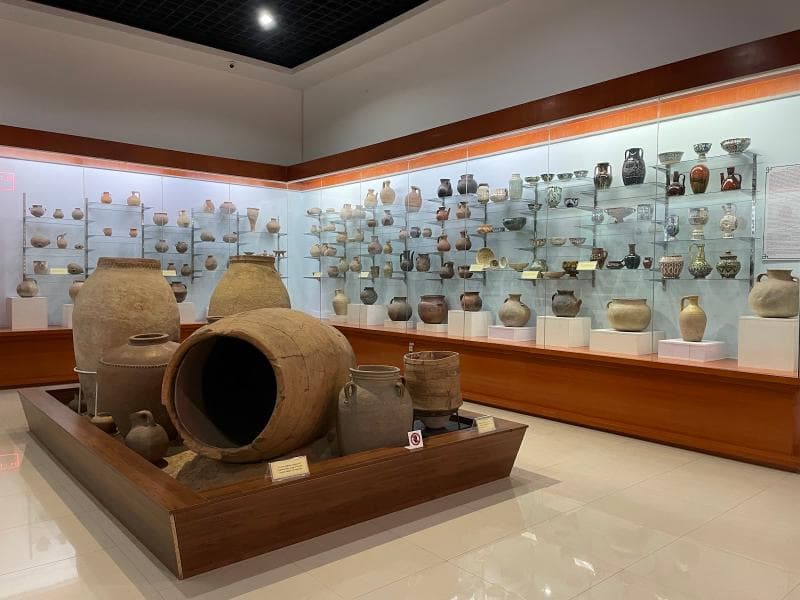
Discover the Fine Arts Gallery at the National Museum of Tajikistan in Dushanbe, showcasing centuries of Tajik art from ancient traditions to contemporary works.
Overview
The Fine Arts Gallery, a vibrant cornerstone within the expansive National Museum of Tajikistan in Dushanbe, offers a captivating journey through the nation's artistic heritage. This dedicated section provides a curated space for visitors to immerse themselves in the rich tapestry of Tajik visual arts, spanning centuries of creative expression. Situated in the capital city, the National Museum of Tajikistan, itself a modern architectural marvel, serves as a primary custodian of the country's cultural legacy, and its Fine Arts Gallery plays a pivotal role in showcasing this artistic wealth.
Here, the art comes alive, moving beyond mere display to offer profound insights into the Tajik soul. From ancient decorative patterns to contemporary canvases, the gallery presents a comprehensive overview of how art has evolved and reflected the society, beliefs, and natural beauty of Tajikistan. It's a place where every brushstroke and sculpted form tells a story, making it an essential stop for anyone seeking to understand the artistic heartbeat of this Central Asian nation.
History & Cultural Background
The history of fine arts in Tajikistan is as deep and layered as the country's own past, influenced by its strategic location along the ancient Silk Road and a succession of empires and cultural exchanges. The National Museum of Tajikistan, while formally established in 1934 and moving into its impressive new building in 2013, acts as a modern repository for this enduring artistic legacy.
Tajik art draws from diverse historical periods, encompassing Zoroastrian, Buddhist, Hellenistic, and Islamic traditions. Early forms of artistic expression can be traced back to the Mesolithic period, with wall paintings from ancient Penjikent (5th-7th centuries CE) being prime examples of early sophisticated visual narratives, some of which are showcased within the museum's broader collections.
The development of what is recognized today as classical Tajik painting, sculpture, and graphic arts flourished, particularly gaining structure and recognition during the Soviet era. During this time, significant importance was placed on nurturing Tajik art, with contributions from both local talents and Russian artists shaping its trajectory. The Fine Arts Gallery effectively bridges these historical epochs, presenting works that illustrate the continuity and evolution of Tajik artistic identity through various cultural and political landscapes.
What Makes It Special
What sets the Fine Arts Gallery apart is its comprehensive depiction of Tajik artistic expression, encompassing both traditional and modern forms. Visitors can admire a diverse array of works, including compelling portraits that capture the essence of the Tajik people, evocative landscape paintings that illustrate the dramatic natural beauty of Tajikistan, and powerful sculptures.
The collection within the Fine Arts Section systematically traces the development of Tajik fine arts from the 1930s to the present day, offering a unique chronological perspective. Beyond paintings and sculptures, the gallery also often highlights exquisite examples of traditional applied arts that are integral to Tajik culture. These include Kundal, a distinct form of clear pattern art that has uniquely thrived in Tajikistan; Gulduzi embroidery, with its ancient roots and deep connection to Tajik life and customs; Kandakori (carving), an age-old craft demonstrating intricate workmanship; and Zargari (jewelry), reflecting the delicate artistry of Tajik artisans. These elements underscore the rich artistic practices that define the nation's cultural heritage.
Stories, Fun Facts & Local Details
The Fine Arts Gallery is a treasure trove of stories, many embodied in the works of its prominent artists. One such figure is Ashur Haydarov (1916–1998), a People's Artist of Tajikistan whose works are considered part of the museum's 'Golden Collection'. His historical and thematic paintings, such as 'Rudaki Among His Fellow Countrymen' or 'Avicenna Meeting the Scholars of Hamadan', offer windows into key moments and celebrated figures in Tajik history and literature, bringing these narratives to life through vibrant artistry.
Another fascinating exhibit is the sculpture 'Tajic Woman', created in 1947 by Yelena Alexim Natarinoa. Rendered in marble, this piece not only depicts the physical appearance but also skillfully conveys the emotions and contemporary fashion, including braided hair and skullcaps, prevalent among Tajik women of that era. Such artworks act as cultural time capsules, offering glimpses into daily life and societal norms.
A 'fun fact' embedded in the very existence of traditional arts like Kundal is its exclusivity; it's an artistic style that has been preserved and continues to flourish almost uniquely in Tajikistan, making its presence in the gallery particularly special. The gallery, therefore, isn't just about viewing art; it's about engaging with the narratives, cultural pride, and artistic traditions that have shaped Tajikistan for millennia.
Visitor Perspective
For the curious traveler, a visit to the Fine Arts Gallery within the National Museum of Tajikistan is an enriching experience that goes beyond mere sightseeing. As you navigate the carefully arranged exhibits, you're guided through the evolution of Tajik art, witnessing the subtle shifts and bold transformations in artistic style and subject matter. The visual narrative provides a deeper connection to the country's identity, allowing you to appreciate the creative spirit that has flourished here for generations.
The gallery's environment, designed to be informative, typically includes explanations in English alongside Tajik and Russian, ensuring accessibility for international visitors.
Whether you're drawn to the intricate details of a Kundal pattern, the expressive faces in a portrait, or the majestic landscapes, the Fine Arts Gallery offers a contemplative space to connect with the artistic soul of Tajikistan. It's an opportunity to see how artists have interpreted their world, preserved their history, and celebrated their culture, leaving you with a profound appreciation for the artistic legacy of Dushanbe and Tajikistan as a whole.
Coordinates: 68.77947802489051, 38.582194838650075
View on Google Maps💬 How Travelers Describe This Place
Based on community votes
Unique
915Photogenic
873Beautiful
123Must See
74Interesting
53
Traveler Stories
Discover memorable experiences shared by travelers who have visited this place.
No traveler stories yet.
Be the first traveler to share what made this place memorable.

Tour
By
Spot
Discover amazing places around the world. Your journey starts here.
Explore
© 2026 TourBySpot. All rights reserved.