Far Caves
Kiev, Ukraine
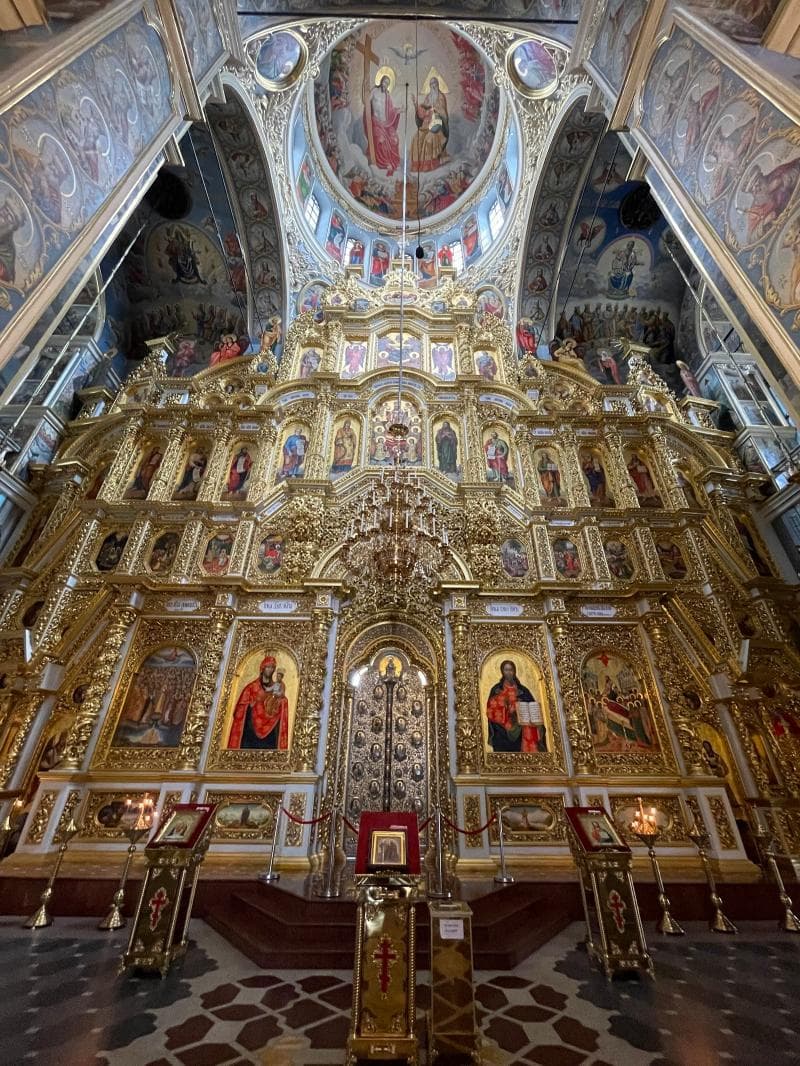
Explore the ancient Far Caves of Kyiv Pechersk Lavra in Kiev, Ukraine. Discover underground chapels, saints' relics, and centuries of monastic history.
Overview
Deep within the revered Kyiv Pechersk Lavra in Kiev, Ukraine, lie the ancient and mystical Far Caves, an integral part of this historic monastic complex. Also known as the Theodosian Caves, this profound spiritual sanctuary serves as a testament to centuries of unwavering faith and ascetic monastic life. Drawing pilgrims and curious travelers alike, these caves represent a unique intersection of history, archaeology, and spirituality, offering a tangible connection to the early days of Eastern Orthodox monasticism in Eastern Europe.
History & Cultural Background
The story of the Far Caves begins around 1051, when the monk Anthony settled in a small cave on a hill, marking the foundation of the monastery. As the community grew, joined by figures like Venerable Theodosius, the initial cave system expanded. The Far Caves are intimately linked with Venerable Theodosius, whose sacred relics are believed to rest here, hence their alternate name, the Theodosian Caves. This underground network evolved from monastic cells into an extensive necropolis. A unique burial tradition was practiced, distinct from typical Christian rites, involving placing monks without coffins in niches. These niches were opened after three years; undecayed remains were seen as a sign of pious life and led to veneration. The Far Caves became a crucial center for spiritual and cultural life, with hallowed passages preserving the memory of countless holy figures from Kyivan Rus.
What Makes It Special
What truly sets the Far Caves apart is their extraordinary blend of natural formation and human endeavor, transformed into a spiritual treasury. Spanning approximately 293 meters, this subterranean network consists of narrow corridors, living quarters, and three underground chapels. These passages house the incorrupt relics of 49 canonized saints, offering a powerful sense of sanctity. Among the most significant is the Church of the Annunciation, considered the oldest cave church within the complex. Another notable sanctuary is the Church of St. Theodosius. Beyond individual relics and churches, the entire system forms an underground necropolis unlike any other, where visitors walk in the footsteps of monks who lived, prayed, and were laid to rest. As part of the Kyiv Pechersk Lavra, the Far Caves contribute to the monastery's designation as a UNESCO World Heritage Site, recognizing its outstanding universal value as a preeminent center of Eastern Christianity.
Stories, Fun Facts & Local Details
The Far Caves are steeped in fascinating stories and local traditions. One of the most compelling aspects is the presence of the undecayed relics of saints, a phenomenon that has inspired pilgrims for centuries. These bodies, preserved through unknown natural processes, are considered miraculous. Local lore suggests the very ground of the Lavra contributes to these extraordinary preservations. The ancient burial customs saw monks placed in niches; if a body remained undecayed after three years, it was a sign of holiness. The caves also contain 31 myrrh-bearing heads of unknown saints, adding to the aura of mystery and sanctity. There's a legend about an ancient linden tree, said to have been planted by Saint Theodosius himself, near the exit of the Far Caves, symbolizing the site's enduring spiritual legacy. Exploring these narrow, dimly lit passages, typically between one to one-and-a-half meters wide and two to two-and-a-half meters high, feels like stepping back into a distant past, where each turn reveals another layer of history and devotion.
Visitor Perspective
Visiting the Far Caves is an experience that transcends mere sightseeing; it is a journey into the heart of a profound spiritual tradition. As you navigate the cool, dimly lit underground passages, a sense of reverence naturally descends. The air is thick with history, echoing the prayers and ascetic lives of the monks who once inhabited these subterranean cells. The narrowness of the corridors and the small chapels carved directly into the earth evoke a powerful feeling of introspection. Pilgrims come to venerate the relics of the saints, often pausing for quiet reflection and prayer. For all visitors, the atmosphere is powerful and contemplative. Practical considerations include comfortable footwear for uneven surfaces and being prepared for cooler temperatures. Modest dress is essential for entry: women typically need to cover their heads with a shawl and ensure shoulders and knees are covered. This respectful attire allows for a more immersive and meaningful experience of the Far Caves, where the veil between the past and present feels incredibly thin.
Coordinates: 30.55917, 50.43417
View on Google Maps💬 How Travelers Describe This Place
Based on community votes
Unique
712Interesting
628Photogenic
609Beautiful
542Must See
516
Traveler Stories
Discover memorable experiences shared by travelers who have visited this place.
No traveler stories yet.
Be the first traveler to share what made this place memorable.

Tour
By
Spot
Discover amazing places around the world. Your journey starts here.
Explore
© 2026 TourBySpot. All rights reserved.