Family Rooms
Frankfurt, Germany
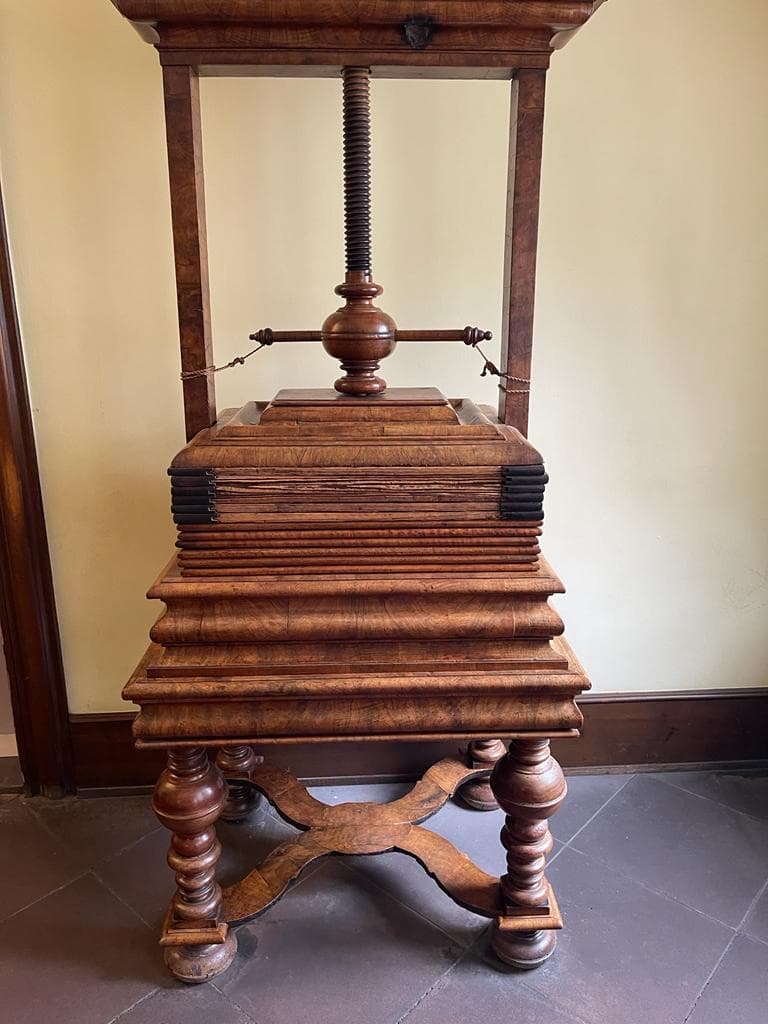
Explore the Family Rooms at Goethe House in Frankfurt, Germany, and discover the childhood home of Johann Wolfgang von Goethe. Immerse yourself in 18th-century life.
Overview
Stepping into the Family Rooms of the Goethe House in Frankfurt, Germany, is like entering a living portrait of 18th-century bourgeois life. This meticulously reconstructed residence, located in the heart of Frankfurt's Altstadt at Großer Hirschgraben 23, was the birthplace and childhood home of Germany's most celebrated literary figure, Johann Wolfgang von Goethe. More than just a house museum, it offers an intimate glimpse into the domestic world that shaped a genius, allowing visitors to explore the spaces where the Goethe family lived, loved, and created memories. Each room, furnished with authentic period pieces, manuscripts, and personal belongings, tells a story, painting a vivid picture of the environment that inspired Goethe's early works and his profound understanding of humanity.
From the bustling ground floor kitchen, complete with an original water pump, to the tranquil writing room on the upper floor, the Family Rooms provide a comprehensive journey through the daily routines and intellectual pursuits of an influential family. Visitors can explore the dining rooms, the elegant music room featuring a rare vertically-set pianoforte, and even the very room where Goethe himself was born. The experience is designed to be immersive, transporting you back to a time when candlelight illuminated literary discussions and the warmth of family life fostered artistic expression.
History & Cultural Background
The history of the Goethe House is deeply intertwined with the Goethe family. Originally two adjoining timber-framed buildings dating back to the 17th century, the property was acquired by Goethe's grandmother in 1733. His father, Johann Caspar Goethe, subsequently undertook extensive renovations, transforming the structures into a grand Baroque-style residence befitting a family of means. Johann Wolfgang von Goethe was born here on August 28, 1749, and spent his formative years within these walls, living in the house with his parents and sister Cornelia until he left for Weimar in 1775. The family continued to reside in the house until 1795.
Tragically, the original Goethe House was completely destroyed during the Allied bombings of World War II on March 22, 1944. However, its immense cultural significance led to its painstaking and faithful reconstruction, completed in 1951. The reconstruction efforts aimed to restore the house to its 18th-century condition, ensuring that future generations could experience the authentic atmosphere of Goethe's childhood home. Today, it stands as a testament to German cultural heritage and resilience, meticulously curated with period furniture and artifacts that recreate the interiors as they would have appeared in Goethe's time.
What Makes It Special
What makes the Family Rooms particularly special is their ability to humanize a towering literary figure. They offer a tangible connection to Goethe's personal life, showing him not just as a poet, but as a son, a brother, and a young man influenced by his surroundings. The rooms reveal the domestic rhythms of an educated 18th-century household, from the practicalities of the kitchen to the cultural refinement of the music and art rooms. It's a journey through the evolution of a mind, nurtured by the family's intellectual pursuits, their love for music, and their appreciation for art.
Highlights include the Music Room, which houses a rare pyramid piano dating back to 1745, reflecting the family's shared passion for music. The Picture Gallery displays the family's collection of contemporary Frankfurt artists, showcasing their artistic tastes and connections. Even the 'Gartenzimmer' (Garden Room), named for a view it once offered, provides insight into the family's daily existence and their appreciation for their surroundings, even if Goethe himself 'bemoaned' the lack of a proper garden. These details collectively offer a rich tapestry of the family's intellectual and social world.
Stories, Fun Facts & Local Details
Many stories and fun facts are embedded within the walls of the Goethe House. For instance, it was in his writing room, located on the top floor, that a young Goethe penned some of his most famous early works, including 'Götz von Berlichingen' and 'The Sorrows of Young Werther', establishing his fame across Europe. He also began work on the first drafts of 'Urfaust' here. A delightful detail for visitors is the puppet theatre, a treasured gift from his grandmother when he was just four years old, which is prominently displayed. This childhood toy is believed to have ignited his early interest in drama and storytelling.
Another fascinating aspect is the Kitchen, which retains an original water pump connected to a well in the cellar – a luxury in an era when most households relied on public wells. This detail underscores the family's privileged status. The house even hosted French Lieutenant Thoranc during the Seven Years' War, with artists visiting and working in the Western Attic Room under his patronage, an experience young Goethe observed. For a truly immersive touch, some visitor experiences even allow guests to try their hand at writing with a goose quill, offering a tactile connection to the past.
Visitor Perspective
For the curious traveler, visiting the Family Rooms provides a profound sense of connection to history and literature. It's a place where you can almost hear the echoes of family conversations, the strains of music from the pianoforte, and the scratch of Goethe's quill pen. The meticulous restoration and authentic furnishings create an atmosphere that feels both grand and personal, allowing you to walk in the footsteps of one of Germany's greatest minds. It is an inspiring journey that transcends mere observation, offering an emotional understanding of the formative years of a literary giant. Audio guides and family-friendly tours are available, making the experience accessible and engaging for all ages, fostering a deeper appreciation for the cultural legacy embedded within these historical walls.
Coordinates: 8.6775, 50.11111
View on Google Maps💬 How Travelers Describe This Place
Based on community votes
Unique
963Must See
897Interesting
723Beautiful
463Photogenic
274
Traveler Stories
Discover memorable experiences shared by travelers who have visited this place.
No traveler stories yet.
Be the first traveler to share what made this place memorable.

Tour
By
Spot
Discover amazing places around the world. Your journey starts here.
Explore
© 2026 TourBySpot. All rights reserved.