Exterior Courtyard
Sofia, Bulgaria
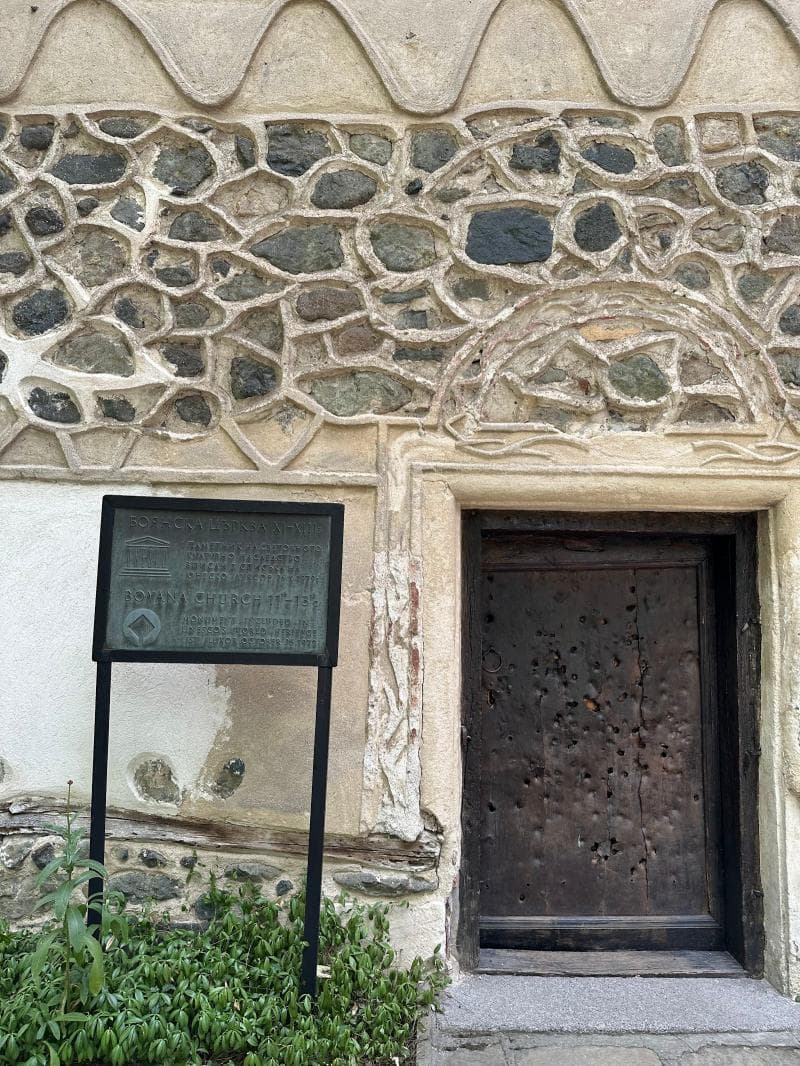
Explore the peaceful Exterior Courtyard of Boyana Church in Sofia, Bulgaria, a UNESCO site with ancient sequoias and royal history.
Overview
Nestled at the foot of Vitosha Mountain, on the serene outskirts of Sofia, Bulgaria, lies the Boyana Church, a UNESCO World Heritage site renowned for its exceptional medieval frescoes. While the church's interior captivates with its vibrant artistry, the Exterior Courtyard offers a peaceful prelude and an integral part of the site's rich history and natural beauty. This fenced park, spanning approximately 6,800 square meters, provides a tranquil setting for contemplation before or after a visit to the sacred interior.
The courtyard serves as a natural buffer, shielding the delicate medieval monument from the bustling modern world. It invites visitors to wander among ancient trees and discover hidden stories etched into the landscape, offering a unique blend of cultural heritage and natural splendor. The Boyana Church itself comprises three distinct buildings, constructed in stages from the 10th to the 19th centuries, each contributing to its layered historical narrative.
History & Cultural Background
The creation of the Exterior Courtyard as it's seen today began between 1905 and 1908, transforming an old churchyard, which had served as a graveyard for centuries, into a more formal park.
A significant highlight of this historical landscaping effort was the planting of three magnificent North American sequoias (Sequoiadendron giganteum) by Bulgaria's monarch, King Ferdinand I, around 1907/1908. These towering trees stand as living monuments, unusual for the European landscape, and add a majestic element to the church's surroundings.
The courtyard also holds a poignant connection to Queen Eleonora, King Ferdinand's second wife. In the early 20th century, the Boyana Church faced the threat of demolition by local villagers who wished to build a larger, new church. Queen Eleonora intervened heroically, providing the villagers with an alternative plot of land in 1912, thus saving the historic structure.
Upon her death in 1917, Queen Eleonora was buried in the churchyard, fulfilling her wish to rest beside the beloved monument she helped preserve. Her tombstone, though removed during the communist era in the 1960s, was later restored some three decades later, after the fall of socialism in Bulgaria, ensuring her legacy endures in this sacred space.
What Makes It Special
What truly sets the Exterior Courtyard apart is its dual role: it is both a guardian of a priceless UNESCO site and a historical narrative told through its landscape. The presence of the giant sequoias, non-native to Bulgaria, makes a stroll through the park a unique botanical experience, connecting this corner of Sofia to distant continents.
Furthermore, the courtyard acts as a vital transition zone. As visitors approach the seemingly modest exterior of the Boyana Church, the tranquil surroundings prepare them for the awe-inspiring artistic treasures within. It provides a moment of calm reflection, allowing the mind to detach from modern distractions and prepare for an encounter with centuries of art and faith.
The historical layering, from an ancient burial ground to a royal garden and finally a protected park, imbues the courtyard with a palpable sense of time and heritage. It's a place where natural beauty and human history intertwine, offering a serene environment that complements the profound spiritual experience of the church itself.
Stories, Fun Facts & Local Details
The story of Queen Eleonora's unwavering dedication to the Boyana Church is a touching local detail. Her personal intervention, purchasing land for the villagers, speaks volumes about her commitment to preserving Bulgaria's cultural heritage. It's a tale of a queen's love for art and history, cementing her place in the church's narrative.
Imagine King Ferdinand himself, a keen botanist, personally planting the sequoia saplings over a century ago. This act adds a personal touch to the grandeur of these trees, turning them into living witnesses of royal patronage and historical foresight.
The courtyard also implicitly tells the story of the Boyana neighborhood itself. Situated at the foot of Vitosha Mountain, this area has long offered a green and tranquil escape from the urban center of Sofia. The presence of the church and its surrounding park enhances this reputation, making it a beloved spot for both locals and travelers seeking a peaceful retreat.
Visitor Perspective
For the traveler, the Exterior Courtyard of the Boyana Church is more than just an entry point; it's an experience in itself. As you walk from the entrance gate, past the war memorial, and through the gardens towards the ticket office, you're not just covering ground – you're stepping back in time. The towering sequoias offer shade and a sense of timelessness, their immense scale a gentle reminder of nature's enduring presence alongside human endeavor.
Before entering the church, take a moment to walk around its exterior. Observe the various architectural phases visible from the outside, hinting at the centuries of history contained within. Though photography is not permitted inside the church to protect the fragile frescoes, the courtyard provides ample opportunity to capture the serene ambiance and the church's picturesque setting against the backdrop of the mountain.
Even with the strict, short visiting times inside the church, the courtyard allows for a more leisurely exploration, offering a quiet space to reflect on the astounding artistry and historical significance you're about to witness, or have just experienced. It's a perfect spot to pause, breathe, and appreciate the unique blend of cultural and natural heritage that defines this remarkable Bulgarian treasure.
Coordinates: 23.2593, 42.6398
View on Google Maps💬 How Travelers Describe This Place
Based on community votes
Beautiful
981Unique
617Interesting
357Photogenic
147Must See
28
Traveler Stories
Discover memorable experiences shared by travelers who have visited this place.
No traveler stories yet.
Be the first traveler to share what made this place memorable.

Tour
By
Spot
Discover amazing places around the world. Your journey starts here.
Explore
© 2026 TourBySpot. All rights reserved.