Experiment Zones
Warsaw, Poland
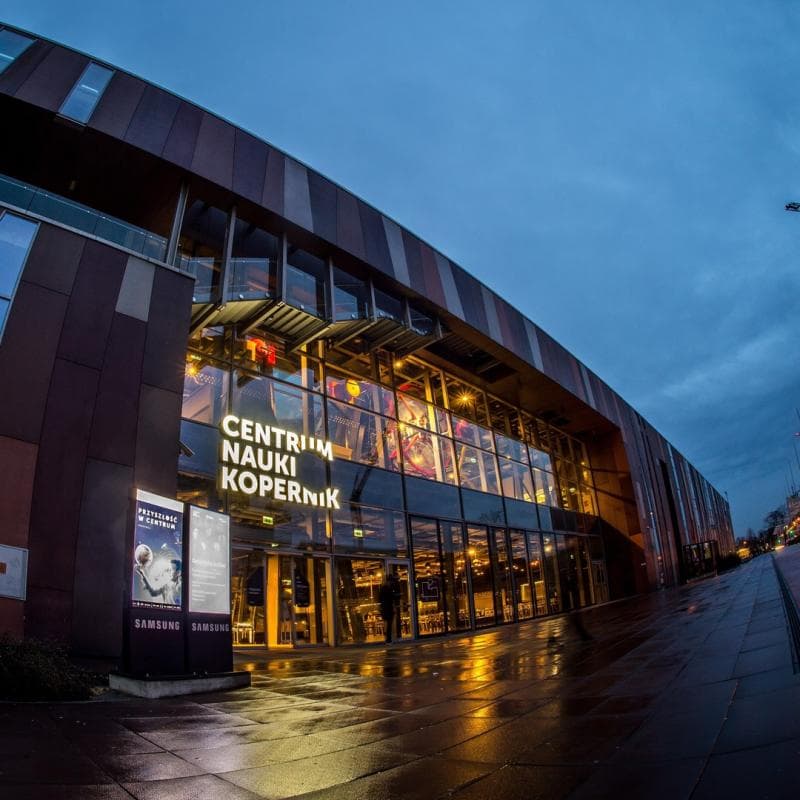
Explore the interactive Experiment Zones at Copernicus Science Centre in Warsaw, Poland. Engage with 200+ hands-on exhibits on nature and human perception.
Overview
Stepping into the Experiment Zones at the Copernicus Science Centre in Warsaw, Poland, is like entering a sprawling laboratory designed for boundless curiosity. This dynamic exhibition space, primarily located on the first floor of the centre, is far from a traditional museum where exhibits are behind glass; instead, it is a realm of direct, hands-on engagement. Visitors are encouraged to touch, manipulate, and explore approximately 200 interactive exhibits dedicated to unraveling the mysteries of nature, human perception, and the physical world. It is the heart of the Copernicus Science Centre's mission to popularize science and technology, inviting everyone, regardless of age, to discover scientific principles through personal experimentation and play.
The entire zone is designed to foster an experiential learning journey, allowing individuals to perform experiments, understand scientific laws firsthand, and even embrace the process of making mistakes as a path to discovery. Unlike many modern attractions that rely heavily on multimedia, the Experiment Zones prioritize direct interaction with physical phenomena, ensuring a deeply engaging and memorable visit.
History & Cultural Background
The Copernicus Science Centre, known in Polish as Centrum Nauki Kopernik, officially opened its doors on November 5, 2010, marking a significant milestone in Poland's efforts to promote scientific literacy. The visionary concept for such an interactive science hub emerged in the late 1990s, inspired by the overwhelming success of local science popularization events like the Science Picnic and Science Festival. The centre's formal establishment took place on June 1, 2005, through a collaborative agreement involving the City of Warsaw, the Polish Minister of Science and Higher Education, and the Minister of National Education.
Construction commenced in July 2008, culminating in a striking contemporary building along the Vistula River, designed by the Polish RAr-2 architectural firm. The centre bears the name of Nicolaus Copernicus, Poland's celebrated astronomer whose heliocentric model revolutionized our understanding of the cosmos, connecting the institution deeply to Poland's rich scientific heritage. Many of the innovative exhibits found within the Experiment Zones are crafted in the centre's own workshops, showcasing local ingenuity and dedication to scientific exploration. Over the years, the zone has evolved, with sections like the Eastern Section undergoing rearrangement and reopening in April 2018 to enhance the visitor experience.
What Makes It Special
What truly sets the Experiment Zones apart is their unwavering commitment to interactive, hands-on learning. Here, visitors become active participants in scientific discovery, not just passive observers. The exhibits are thoughtfully designed to be accessible and highly engaging, encouraging visitors to explore, test hypotheses, and even learn from trial and error.
Imagine taking a walk with a gyroscopic suitcase, building a 'magnetic bridge', or being amazed by the capabilities of a 'rotating table'. You can experiment with stroboscopes and sound, and even witness cosmic ray particle tracks. A truly unique experience allows you to create smoke rings, reminiscent of those observed above the formidable Etna volcano. The zone also delves into biology and human perception, inviting you to investigate how your senses interpret the world, testing your reflexes, or experiencing illusions. You can even lie on a bed of nails or observe living organisms like hydras and growing fungi, gaining insight into biological processes like photosynthesis. The arrangement of exhibits often presents a phenomenon from multiple perspectives, aiding a deeper and more memorable understanding of complex scientific concepts.
Stories, Fun Facts & Local Details
The Copernicus Science Centre is much more than a collection of exhibits; it's a place where science comes alive through intriguing narratives and sensory experiences. Did you know that one exhibit specifically highlights what Albert Einstein received his Nobel Prize for, weaving historical context into a hands-on experience? The centre itself has been recognized for its dedication to popularizing science, earning the 'Science Promoter' award twice in 2007-2008.
The architectural design of the Copernicus Science Centre is as captivating as its contents. The building is often poetically described as 'lunging from the Vistula riverbank like a rust-red shipping container cracked open so curiosity can spill,' creating an immediate sense of wonder. A subtle, yet fascinating detail is the low thrumming sound the building produces when the wind interacts with its perforated facade. Even before the main centre opened, its first traveling exhibition, 'Experiment!', captivated over 10,000 visitors in a single day back in 2006, showcasing the early public appetite for interactive science. The sheer scale of the centre is impressive, welcoming over 1.3 million visitors annually, solidifying its status as one of Europe's largest and most popular science destinations.
Visitor Perspective
For any traveler to Warsaw, the Experiment Zones offer an unparalleled opportunity for engagement and learning. Visitors should allocate a substantial portion of their visit to the Copernicus Science Centre to fully immerse themselves in the Experiment Zones, as a complete exploration of the entire centre typically takes between three to five hours. It’s a place where both children and adults find immense joy and learning, proving that science can be an incredibly fun adventure for all ages.
Throughout the spacious zones, strategically placed leisure corners provide comfortable spots for visitors to rest and recharge before continuing their explorations. Adding to the convenience, a charming cafe is nestled within the Experimental Zone itself, complete with a terrace offering picturesque views of the Vistula River – a perfect spot for a coffee break amidst scientific discovery. The centre's prime location on the Vistula riverbank, coupled with excellent public transport links, makes it easily accessible for anyone looking to embark on this extraordinary journey of scientific exploration in the heart of Warsaw.
Coordinates: 21.0285, 52.2418
View on Google Maps💬 How Travelers Describe This Place
Based on community votes
Unique
748Photogenic
304Must See
85Beautiful
73Interesting
35
Traveler Stories
Discover memorable experiences shared by travelers who have visited this place.
No traveler stories yet.
Be the first traveler to share what made this place memorable.

Tour
By
Spot
Discover amazing places around the world. Your journey starts here.
Explore
© 2026 TourBySpot. All rights reserved.