Exhibition Spaces
Astana, Kazakhstan
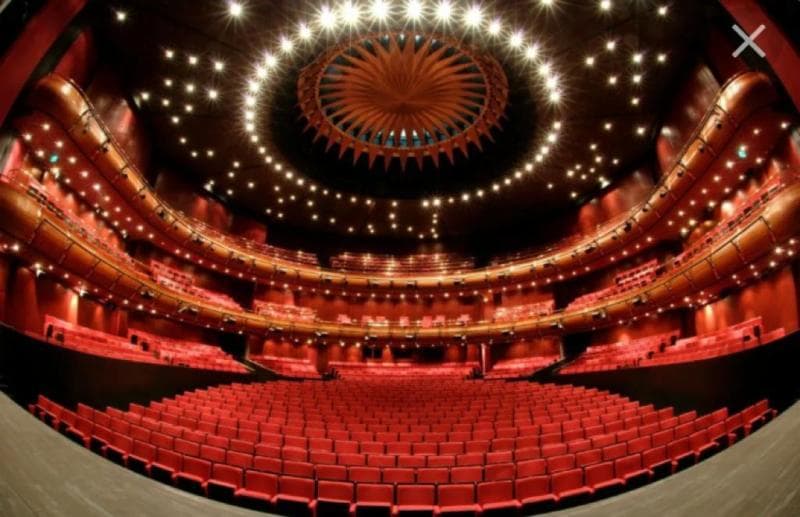
Explore the Exhibition Spaces within Astana's Palace of Peace and Reconciliation, a pyramid symbolizing unity and housing diverse cultural exhibits in Kazakhstan.
Overview
The Exhibition Spaces within the Palace of Peace and Reconciliation in Astana, Kazakhstan, offer a fascinating journey into the nation's diverse culture, history, and commitment to interfaith harmony. Nestled inside the striking pyramid-shaped edifice designed by renowned British architect Sir Norman Foster, these spaces are an integral part of a building conceived as a global center for religious understanding and peace. The Palace, opened in 2006, is itself a symbol of unity and tolerance, reflecting Kazakhstan's multicultural identity. The exhibition areas, alongside the impressive opera hall, conference facilities, and the serene winter garden, provide visitors with an enriching cultural experience that goes beyond mere sightseeing.
From showcasing national costumes and historical documents to hosting contemporary art exhibitions and displays on sacred texts, the Exhibition Spaces serve as dynamic platforms for education and dialogue. They aim to inform and emotionally connect travelers with the rich tapestry of Kazakhstan's heritage and its vision for a harmonious future, embodying the spirit of the 'Pyramid of Peace and Accord.'
History & Cultural Background
The very existence of the Palace of Peace and Reconciliation, and by extension its exhibition spaces, is rooted in Kazakhstan's dedication to promoting peace and interfaith dialogue. The idea for this unique structure was proposed by the First President of Kazakhstan, Nursultan Nazarbayev, at the First Congress of Leaders of World and Traditional Religions in 2003. The Palace was subsequently built to be the permanent venue for this triennial congress, which first convened in the new building in 2006.
Kazakhstan is home to over 130 nationalities, and the Palace, particularly its exhibition areas, reflects this vibrant diversity. The exhibitions often delve into the historical roots of the unity and cohesion among the people of Kazakhstan, showcasing the interplay of various cultures and traditions that have shaped the nation. This commitment to celebrating multiculturalism and fostering understanding is a cornerstone of the country's cultural policy, making these exhibition spaces meaningful cultural institutions within the capital.
What Makes It Special
What makes the Exhibition Spaces truly special is their context within the architectural marvel of the Palace itself. Imagine exploring artifacts and artworks beneath a glass pyramid that literally bathes the interiors in natural light, with the apex adorned by artist Brian Clarke's stained-glass artwork depicting 130 doves, symbolizing the many nationalities residing in Kazakhstan. This architectural symbolism extends to the exhibitions, which often highlight themes of peace, unity, and the shared human experience across different cultures and religions.
These spaces are not static; they host a series of rotating exhibitions and projects, ensuring that there's always something new to discover. From the permanent displays about the country's diverse ethnic groups and their cultural heritage to temporary exhibitions like 'Sacred Books' or those celebrating the Unity Day of the People of Kazakhstan, the content is curated to provide depth and relevance. The Cheops Atrium, a grand central hall, occasionally transforms into an exhibition area itself, adding to the dynamic nature of these spaces.
Stories, Fun Facts & Local Details
One delightful detail is that the Palace's design incorporates the principle of the Fibonacci Golden Section, a mathematical ratio found throughout nature and art, reflecting a universal harmony. The pyramid's height of 62 meters equals the length of its square base, a testament to this precise architectural vision. Visitors traversing the Palace can also experience unique diagonal elevators that glide along the pyramid's inner structure, offering unusual perspectives of the interior and the exhibitions.
The exhibitions on national costumes, for instance, are not just about garments; they tell stories of identity, craftsmanship, and the rich traditions passed down through generations of Kazakh, Uzbek, Georgian, and many other ethnic communities. Similarly, a 'Sacred Books' exhibition held in the Palace emphasized interfaith understanding by showcasing rare manuscripts and documents, including a seventh-century Quran once owned by a Kazakh khan, offering a tangible connection to spiritual roots and historical narratives. These thoughtfully curated displays invite reflection and foster a deeper appreciation for Kazakhstan's cultural mosaic.
Visitor Perspective
For a curious traveler, visiting the Exhibition Spaces within the Palace of Peace and Reconciliation is more than just viewing exhibits; it's an immersive cultural experience. Guided tours often provide insightful narratives, connecting the architectural symbolism with the displayed content. You might find yourself marveling at artifacts in the Museum of Peace and Reconciliation, then stepping into the Kulanshi Contemporary Art Gallery, experiencing the blend of historical context and modern artistic expression.
The spaces are designed to be accessible and engaging, with comfortable layouts that encourage exploration. It's recommended to allocate sufficient time, perhaps 1.5 to 2 hours, to fully appreciate the exhibitions and the unique ambiance of the pyramid. The interplay of light through the stained-glass doves overhead can create a serene and inspiring atmosphere, making your visit not just informative but also emotionally resonant. It's a place where you can feel the pulse of Kazakhstan's commitment to dialogue, peace, and the celebration of its diverse heritage.
Coordinates: 71.46361, 51.12306
View on Google Maps💬 How Travelers Describe This Place
Based on community votes
Must See
839Interesting
445Photogenic
416Beautiful
289Unique
141
Traveler Stories
Discover memorable experiences shared by travelers who have visited this place.
No traveler stories yet.
Be the first traveler to share what made this place memorable.

Tour
By
Spot
Discover amazing places around the world. Your journey starts here.
Explore
© 2026 TourBySpot. All rights reserved.