Exhibition Galleries
Sarajevo, Bosnia and Herzegovina
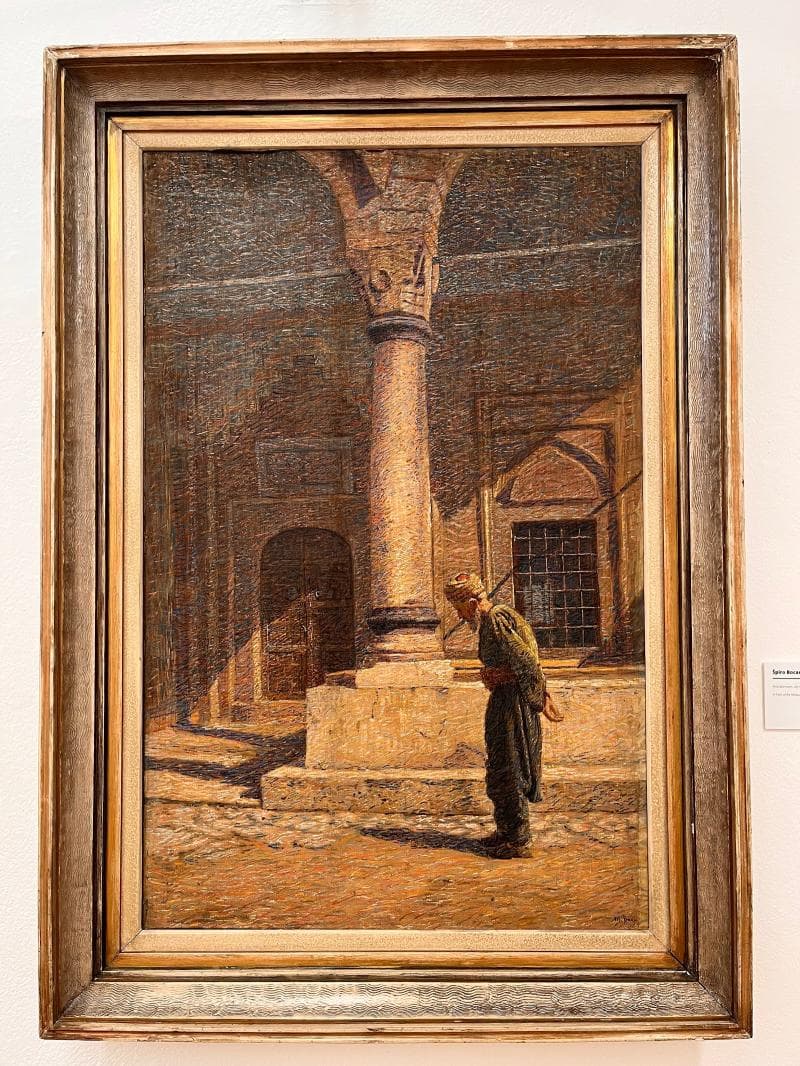
Explore the Exhibition Galleries of Sarajevo City Hall, Vijećnica, in Sarajevo, Bosnia and Herzegovina, delving into its rich history and cultural significance.
Overview
Stepping into the Exhibition Galleries of Sarajevo City Hall, known locally as Vijećnica, is an immersive journey through time and resilience. This architectural masterpiece, with its distinctive pseudo-Moorish design, stands as a vibrant symbol of Sarajevo's rich history and indomitable spirit. More than just a building, the Vijećnica is a living museum, continually evolving with exhibitions that tell the poignant and inspiring story of a city that has repeatedly risen from the ashes.
The galleries, nestled within this iconic structure, offer visitors a deep dive into the historical tapestry of Sarajevo and Bosnia and Herzegovina. From its grand construction during the Austro-Hungarian era to its devastating destruction during the 1992-1995 siege and its meticulous rebirth, every corner of the Vijećnica whispers tales of cultural exchange, conflict, and enduring hope. Exploring these spaces provides not only factual insights but also a profound emotional connection to the city's past and present.
History & Cultural Background
The Sarajevo City Hall was initially conceived in 1891 and officially opened on April 20, 1896, serving as the city's municipal seat during the Austro-Hungarian period. Designed with a stunning pseudo-Moorish aesthetic, drawing inspiration from Islamic art in Spain and North Africa, it quickly became one of the most prominent buildings in Sarajevo.
After World War II, the Vijećnica transitioned into the National and University Library of Bosnia and Herzegovina, housing an invaluable collection of books and manuscripts. Tragically, in the night between August 25 and 26, 1992, during the Siege of Sarajevo, the City Hall was hit by incendiary artillery missiles, resulting in a catastrophic fire that destroyed the building and over two million books, many irreplaceable. This act was widely recognized as an urbicide and culturicide, a deliberate destruction of cultural heritage.
The painstaking reconstruction process began in 1996 and took 18 years, finally culminating in its grand reopening on May 9, 2014, symbolically on Europe Day and Victory over Fascism Day. This rebirth, meticulously restoring the building to its original splendor using traditional techniques and archival photographs, stands as a powerful testament to Sarajevo's resilience and commitment to its cultural identity.
What Makes It Special
What truly sets the Exhibition Galleries apart is their intimate connection to the very fabric of the Vijećnica itself. Many exhibitions directly chronicle the building's dramatic life story, from its architectural conception to its tragic destruction and glorious restoration. For instance, the exhibition ‘Sarajevo City Hall once again’ offers a compelling visual narrative of the nearly two-decade-long renovation, showcasing the dedication required to bring this landmark back to life.
Beyond its own history, the galleries serve as a custodian of Sarajevo's broader narrative. Exhibitions like ‘Sarajevo 1914-2014’ provide a century-long panorama of the city, encompassing pivotal moments from the Sarajevo assassination to the present day, revealing how the City Hall stood witness to profound historical shifts. The blend of stunning architecture, poignant historical displays, and contemporary cultural presentations transforms a visit into a multifaceted educational and emotional experience.
Stories, Fun Facts & Local Details
The Vijećnica holds countless stories within its walls. One particularly touching detail is the small stone tablet near the main entrance that reads: ‘Do not forget. Remember and warn.’ This serves as a constant, somber reminder of the 1992 fire and the cultural loss endured by the city. The meticulous reconstruction even saw the stained-glass ceiling of the octagonal hall rebuilt from surviving fragments and old photographs, emphasizing the commitment to historical accuracy.
Visitors can explore diverse themed rooms. The ‘Portraits of Mayors’ gallery offers a fascinating look into the city's political leadership since 1878, showcasing the individuals who shaped Sarajevo. The ‘Franz & Sophie’ room poignantly commemorates Archduke Franz Ferdinand and his wife, whose 1914 visit to Sarajevo tragically led to events that ignited World War I, capturing the atmosphere of Imperial Vienna. Additionally, the ‘Contemporaries’ room celebrates modern Bosnian creatives, highlighting their contributions to culture and art. It's these personal stories and detailed historical snippets that truly bring the Vijećnica to life.
Visitor Perspective
For a curious traveler, the Exhibition Galleries of Sarajevo City Hall offer a deeply enriching experience. The beauty of the building's interior, with its vibrant colors and intricate patterns, is often cited as even more impressive than its exterior. Visitors typically find that 1.5 to 2 hours are sufficient to explore the various exhibitions and absorb the atmosphere. There is usually an entrance fee, around 10 Bosnian Marks, which grants access to all the interior exhibits and historical displays.
The galleries are designed to be informative and accessible, often featuring bilingual texts (Bosnian and English), allowing international visitors to fully engage with the content. It is a space where one can not only appreciate architectural grandeur but also reflect on the enduring human spirit and the city's journey through challenging times. It's a powerful reminder that while buildings can be destroyed, the stories, culture, and resilience of a people persist.
Coordinates: 18.4333, 43.8592
View on Google Maps💬 How Travelers Describe This Place
Based on community votes
Beautiful
876Interesting
875Photogenic
718Unique
648Must See
235
Traveler Stories
Discover memorable experiences shared by travelers who have visited this place.
No traveler stories yet.
Be the first traveler to share what made this place memorable.

Tour
By
Spot
Discover amazing places around the world. Your journey starts here.
Explore
© 2026 TourBySpot. All rights reserved.