Exhibition Areas
Dushanbe, Tajikistan
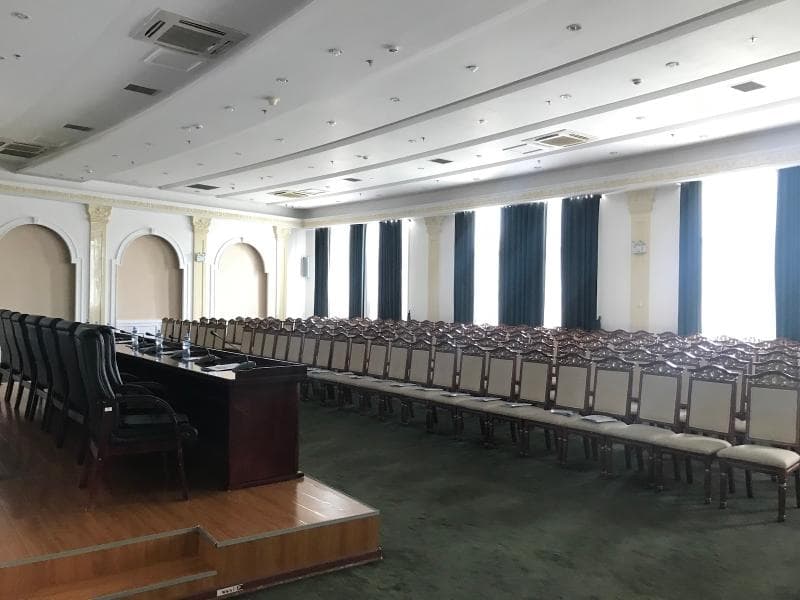
Explore the Exhibition Areas of the Tajikistan National Library in Dushanbe. Discover ancient manuscripts, rare books, and cultural exhibits reflecting Tajik heritage.
Overview
Nestled in the vibrant heart of Dushanbe, Tajikistan, the National Library stands as a monumental beacon of knowledge and culture. More than just a repository of books, its impressive structure, designed to resemble an open book, symbolizes the nation's profound respect for learning and heritage. Within this architectural marvel are dedicated Exhibition Areas that offer visitors a fascinating journey through Tajikistan's rich intellectual and artistic legacy. These spaces are carefully curated to showcase the depth and breadth of the country's literary traditions, scientific advancements, and cultural achievements, providing a unique window into the Tajik soul.
The Exhibition Areas serve as dynamic cultural hubs, presenting a diverse array of displays. From ancient manuscripts whispering tales of bygone eras to galleries highlighting contemporary literature and scientific thought, these halls are designed to engage and enlighten. They are not merely static displays but living narratives that connect past generations with the present, inviting curious travelers to delve into the stories that have shaped this Central Asian nation.
History & Cultural Background
The journey of the Tajikistan National Library began in January 1933, initially established as a city library in Stalinabad (now Dushanbe). A year later, it was proudly named after the classical Persian poet, Abulkasim Ferdowsi, a testament to the enduring influence of Persian-Tajik literature. The library evolved significantly over the decades, eventually gaining national status in 1993. The inauguration of its current, striking building on March 20, 2012, marked a new chapter, solidifying its role as the primary national book depository and a crucial institution for preserving Tajikistan's cultural heritage.
This modern nine-story edifice is not just a building; it is a symbol of national pride and cultural identity. Its design, consciously crafted to evoke an open book, reflects Tajikistan's commitment to education and the dissemination of knowledge. The library houses an immense collection, reportedly over 6 million items, including a globally significant assembly of handwritten and printed works in Tajik and Persian languages. This vast collection underpins the thematic richness found within its Exhibition Areas, making them essential stops for anyone seeking to understand the historical and cultural underpinnings of the Tajik people.
What Makes It Special
What truly sets the Exhibition Areas of the Tajikistan National Library apart is their singular focus on the cultural and intellectual narrative of Tajikistan. Unlike general museums, these spaces are specifically designed to illuminate the country's literary and scientific evolution through its written word and historical artifacts. The library boasts three distinct exhibition halls. One is dedicated to showcasing ancient manuscripts and rare books, offering a glimpse into the profound intellectual heritage of the region. Another provides galleries for exhibiting books across various branches of science and knowledge, demonstrating the breadth of Tajik scholarship. The third hall focuses on new literary acquisitions, ensuring that visitors are also connected to contemporary thought and creativity.
The meticulous presentation within these halls allows visitors to connect directly with centuries of Tajik wisdom and artistic expression. Imagine standing before a beautifully preserved ancient text, knowing that the very same words were pondered by scholars and poets hundreds of years ago. This direct engagement with primary sources, carefully conserved and displayed, offers an unparalleled depth of experience that is both educational and deeply moving. The library's commitment to preserving and making accessible such a treasure trove of knowledge underscores its special place as a guardian of national memory.
Stories, Fun Facts & Local Details
A stroll through the Exhibition Areas is akin to walking through the pages of Tajikistan's history. One fascinating aspect is the presence of the Department of Oriental Manuscripts, which houses a unique treasury of Persian-Tajik literature. Among these, visitors might encounter works by legendary figures such as Rudaki, Ferdowsi, and Ibn Sina (Avicenna), whose contributions have profoundly influenced not only Central Asia but the wider world. The library's collection is continually enriched, a testament to the ongoing literary and scientific output of the nation.
A fun fact that highlights the library's iconic status is its appearance on the Tajik 200 somoni banknote, a clear indication of its significance as a national symbol. The building itself is a masterpiece, measuring 167 meters in length and 52 meters in height, making it one of the largest libraries in Central Asia. Outside the central facade, 22 busts honor prominent figures from Tajik history, literature, science, and culture, symbolically guarding the knowledge within and offering a visual prelude to the treasures inside.
Visitor Perspective
For any traveler with a keen interest in culture, history, or literature, the Exhibition Areas of the Tajikistan National Library offer an enriching and contemplative experience. As you navigate these halls, you'll feel a sense of reverence for the generations of scholars, writers, and thinkers whose legacies are preserved here. The quiet atmosphere encourages deep reflection, allowing you to absorb the intellectual achievements that have shaped Tajikistan.
While the library is primarily a center for research and learning, its exhibition spaces are welcoming to curious visitors. English-speaking guides are often available, providing valuable context to the displayed artifacts and making the experience more accessible for international guests. It's advisable to inquire about guided tours upon arrival to enhance your understanding of the exhibits. A visit here is not merely about seeing old books; it's about understanding the enduring spirit of a nation, its pursuit of knowledge, and its pride in its unique cultural identity. It's a journey into the heart of Tajik intellectual life, offering insights that linger long after you leave.
Coordinates: 68.78366, 38.57319
View on Google Maps💬 How Travelers Describe This Place
Based on community votes
Beautiful
623Interesting
545Unique
343Must See
302Photogenic
20
Traveler Stories
Discover memorable experiences shared by travelers who have visited this place.
No traveler stories yet.
Be the first traveler to share what made this place memorable.

Tour
By
Spot
Discover amazing places around the world. Your journey starts here.
Explore
© 2026 TourBySpot. All rights reserved.