Event Stage Area
Zagreb, Croatia
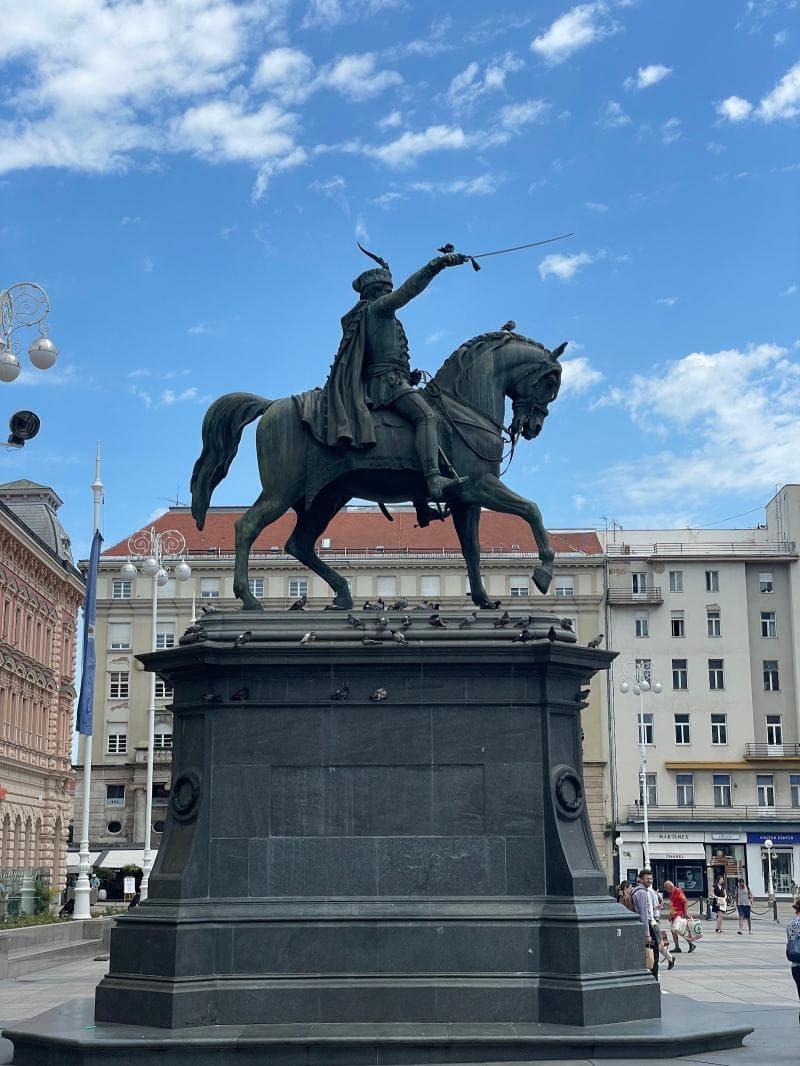
Discover Ban Jelačić Square, Zagreb, Croatia's vibrant heart and premier 'Event Stage Area.' Explore its rich history, cultural significance, and lively atmosphere.
Overview
Stepping into Ban Jelačić Square, Zagreb's vibrant heart, is to find yourself at a crossroads where history, culture, and contemporary life beautifully intersect. This grand open space, officially known as Trg bana Josipa Jelačića, serves as the city's central 'Event Stage Area', a dynamic hub where major celebrations, cultural performances, markets, and spontaneous gatherings unfold throughout the year. Located strategically between the historic Upper Town (Gradec and Kaptol) and the more modern Lower Town, the square is not merely a landmark but a living, breathing part of Zagreb's daily rhythm. Its pedestrian-friendly expanse is constantly animated by locals and visitors alike, drawn to its energy, its iconic statue, and the surrounding architectural beauty.
The square functions as Zagreb's primary meeting point and transportation nexus, with the city's distinctive blue trams crisscrossing its edges, connecting it to every corner of the metropolis. Surrounded by a captivating blend of 19th and 20th-century buildings showcasing diverse architectural styles, from Biedermeier to Art Nouveau, it offers a visual feast. Whether it's the bustling atmosphere of the morning market, the festive glow of Advent, or the excited crowds cheering on a national sports team, Ban Jelačić Square is where Zagreb truly comes alive.
History & Cultural Background
The story of Ban Jelačić Square dates back to 1641, when it was established as a marketplace on a plain below the fortified settlements of Gradec and Kaptol. Initially known as Harmica, a name that signified a customs office where a 'thirtieth' tax was levied on goods, it was here, near the Manduševac spring, that fairs and trade first flourished. Over centuries, as Zagreb expanded, Harmica evolved from a simple market into a crucial urban space, adapting its appearance and purpose. The oldest surviving building on the square today dates from the 18th century, hinting at its long-standing significance.
Its most enduring name came in 1848, when it was renamed after Ban Josip Jelačić, a pivotal figure in Croatian history. Ban Jelačić, a 19th-century viceroy, is regarded as a national hero for his contributions to Croatian political life and his role in the Habsburg Monarchy. An equestrian statue honoring him, sculpted by Dominik Fernkorn, was erected in the square in 1866. This statue became a potent symbol, though its presence and orientation were subject to political changes. During the period when Croatia was part of Yugoslavia, the square was renamed Republic Square in 1946, and Jelačić's statue was removed. However, following Croatia's independence, the statue was triumphantly returned to its place in 1990, and the square reinstated its original, cherished name.
What Makes It Special
What truly sets Ban Jelačić Square apart as an 'Event Stage Area' is its unparalleled ability to transform and reflect the pulse of Zagreb. It's the ultimate communal space, where the city celebrates its triumphs and traditions. During the Advent season, for instance, the square becomes a magical winter wonderland, serving as the main focal point for Zagreb's internationally acclaimed Christmas Market. A massive Christmas tree, twinkling lights, food stalls offering local delicacies, and a central stage for cultural performances create an unforgettable festive atmosphere.
Beyond the holidays, it hosts major sporting event screenings, open-air concerts, New Year's Eve countdowns, and various cultural festivals like the International Folklore Festival. The seamless blend of historical reverence, symbolized by the Ban Jelačić statue, with the spontaneous energy of contemporary public life makes every visit unique. The Manduševac fountain, often surrounded by visitors, adds a touch of serene beauty and connects the square to ancient legends.
Stories, Fun Facts & Local Details
One of the most charming local details is the Manduševac Fountain, which sits near the square's center. According to legend, the name Zagreb itself originated from this very spot. A thirsty Ban asked a girl named Manda to 'scoop' (zagrabiti in Croatian) some water from the spring, leading to the city's name and the fountain being named Manduševac after her. It's a delightful tale that grounds the city's identity in this central location. For Zagrebians, the square is more than just a public space; it's a social institution. Locals often arrange to meet 'under the clock' or 'under the tail,' referring to the distinctive clock on one of the square's buildings and the tail of Ban Jelačić's horse statue, respectively.
The square's architecture tells another story. The buildings surrounding it showcase a fascinating evolution of styles, from the 19th-century neo-styles and Biedermeier to Art Nouveau and even modern influences, providing a living museum of Zagreb's urban development. It wasn't always a pedestrian zone; until 1975, cars traversed the square. Its transformation into a pedestrian-only area, with only trams passing through, further solidified its role as a central public gathering space.
Visitor Perspective
For any traveler exploring Zagreb, Ban Jelačić Square is an essential first stop and a natural point of orientation. Its central location makes it easy to navigate to other key attractions, including the famous Dolac Market, the Zagreb Cathedral, and the bustling Tkalčićeva Street, all just a short walk away. The atmosphere is always lively, whether you're enjoying a coffee at one of the many cafes, observing the constant flow of people, or simply taking in the grandeur of the architecture. It's a place to soak in the local culture, watch the world go by, and truly feel the pulse of Zagreb. The square offers countless opportunities for memorable photographs and serves as a vibrant backdrop for experiencing the daily life and special events that define Croatia's capital. From its historical monuments to its contemporary role as a dynamic event space, Ban Jelačić Square invites visitors to become part of Zagreb's ongoing story.
Coordinates: 15.97722, 45.81306
View on Google Maps💬 How Travelers Describe This Place
Based on community votes
Must See
836Unique
795Photogenic
536Beautiful
522Interesting
489
Traveler Stories
Discover memorable experiences shared by travelers who have visited this place.
No traveler stories yet.
Be the first traveler to share what made this place memorable.

Tour
By
Spot
Discover amazing places around the world. Your journey starts here.
Explore
© 2026 TourBySpot. All rights reserved.