Ethnography Section
Almaty, Kazakhstan
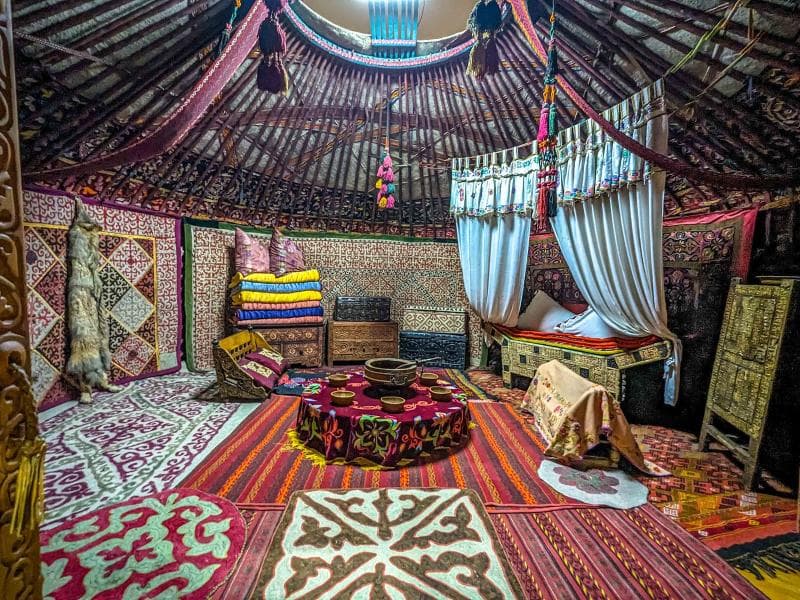
Explore the Ethnography Section at the Central State Museum of Kazakhstan in Almaty. Discover Kazakh nomadic traditions, ancient clothing, yurts, and unique artifacts.
Overview
The Ethnography Section, nestled within the magnificent Central State Museum of Kazakhstan in Almaty, offers a profound journey into the heart of Kazakh culture and nomadic traditions. As one of the largest and oldest museums in Central Asia, the Central State Museum serves as a vital repository of Kazakhstan's rich heritage, and its ethnography hall stands as a centerpiece for understanding the country's ancestral way of life. [3, 4] This dedicated section meticulously preserves and displays an extensive collection that illuminates the traditional lifestyle of the Kazakh people, making it an essential visit for anyone seeking to connect with the authentic spirit of this vast land.
Visitors to the Ethnography Section are transported through time, encountering vivid representations of Kazakh nomadic existence, from intricate household items to elaborate traditional attire. The exhibits are designed to provide a comprehensive picture of everyday life and cultural practices from the 18th to the early 20th centuries, showcasing the ingenuity and artistry that defined the Kazakh people. [13]
History & Cultural Background
The roots of the Central State Museum of Kazakhstan trace back to the 19th century, with its predecessor being the Orenburg Regional Museum Collection established in the 1830s. Over time, these valuable collections found their way to Verniy, the former name of Almaty. In 1931, during the Soviet era, the institution officially gained its status as the Central State Museum, and in 1985, it moved into its iconic modern building, becoming a prominent landmark in Almaty. [3, 9, 21]
The Ethnography Section itself has been meticulously curated over decades, boasting a unique collection of more than 24,000 items. These artifacts were not merely gathered but painstakingly assembled through numerous expeditions conducted by museum staff across various regions of Kazakhstan and even in neighboring countries where Kazakh communities resided, such as Karakalpakstan, Turkmenistan, Mongolia, and China. [13] This dedicated effort ensures the collection's authenticity and depth, reflecting the broad cultural tapestry of the Kazakh people and their historical interactions within Central Asia.
What Makes It Special
What truly sets the Ethnography Section apart is its unparalleled ability to bring the nomadic heritage of Kazakhstan to life. Unlike many static displays, this section allows visitors to visualize the dynamic lives of the Kazakhs through a remarkable array of artifacts. A highlight is undoubtedly the full-scale, authentically furnished yurt, the traditional nomadic dwelling, which provides an immersive experience into the living spaces of the Kazakh people. [5, 6, 8]
Beyond the impressive yurt, the section houses a breathtaking collection of traditional Kazakh dress, including both everyday wear and ceremonial garments, theatrical costumes, and clothing representing various ethnic groups living in Kazakhstan. [13] The intricate detailing of carpets, vibrant embroidery, and diverse musical instruments offers a sensory feast, revealing the sophisticated aesthetic and craftsmanship inherent in Kazakh culture. [4, 5, 22] The presence of 18th and 19th-century weapons, armor, jewelry made from precious metals, and finely crafted leather goods further enriches the narrative, illustrating the resilience and artistry of a people deeply connected to their land and traditions. [5, 6, 13]
Stories, Fun Facts & Local Details
Among the countless treasures held within the Ethnography Section, some pieces stand out with particularly captivating stories. One such item is the exquisite gold-thread embroidery created by Fatima, the wife of Zhangir Khan, who was the last khan of the Bukeevskaya Orda. This piece is a testament to the artistic skill and cultural richness found even among the nobility of the Kazakh steppes. Another fascinating exhibit is the authentic military outfit of Sultan Arystan, adorned with verses from the Holy Quran, offering a glimpse into the spiritual and martial aspects of historical Kazakh leadership. [5, 22]
The collection also sheds light on the traditional practices that shaped Kazakh life. For example, the importance of horses in nomadic culture is subtly woven throughout the exhibits, from horse tack to the practical design of various household items. The very concept of a yurt, often referred to as 'the grey house', symbolizes the ingenuity of a portable yet comfortable home perfectly suited for a nomadic lifestyle. These details, though seemingly small, paint a vivid picture of a people who lived in harmony with the vast Central Asian landscapes, their culture intricately linked to their environment and traditions.
Visitor Perspective
For the curious traveler, a visit to the Ethnography Section is an enlightening and deeply engaging experience. It offers more than just a historical overview; it provides an intimate connection to the soul of Kazakhstan. Walking through the displays, one can almost hear the melodies of the traditional musical instruments, feel the texture of the hand-woven carpets, and imagine the daily routines within a yurt. [4, 8]
The museum's thoughtful presentation, with multilingual displays, ensures that international visitors can fully appreciate the significance of each artifact. [8] It's an opportunity to understand the foundational elements of Kazakh identity, from the practicalities of nomadic existence to the enduring artistry and craftsmanship that have been passed down through generations. The Ethnography Section is not merely a collection of old objects; it is a living narrative that celebrates the resilience, creativity, and profound cultural heritage of the Kazakh people in Almaty, Kazakhstan.
Coordinates: 76.95083, 43.23583
View on Google Maps💬 How Travelers Describe This Place
Based on community votes
Beautiful
1.0kPhotogenic
563Must See
309Unique
100Interesting
63
Traveler Stories
Discover memorable experiences shared by travelers who have visited this place.
No traveler stories yet.
Be the first traveler to share what made this place memorable.

Tour
By
Spot
Discover amazing places around the world. Your journey starts here.
Explore
© 2026 TourBySpot. All rights reserved.