Ethnography Collection
Jakarta, Indonesia
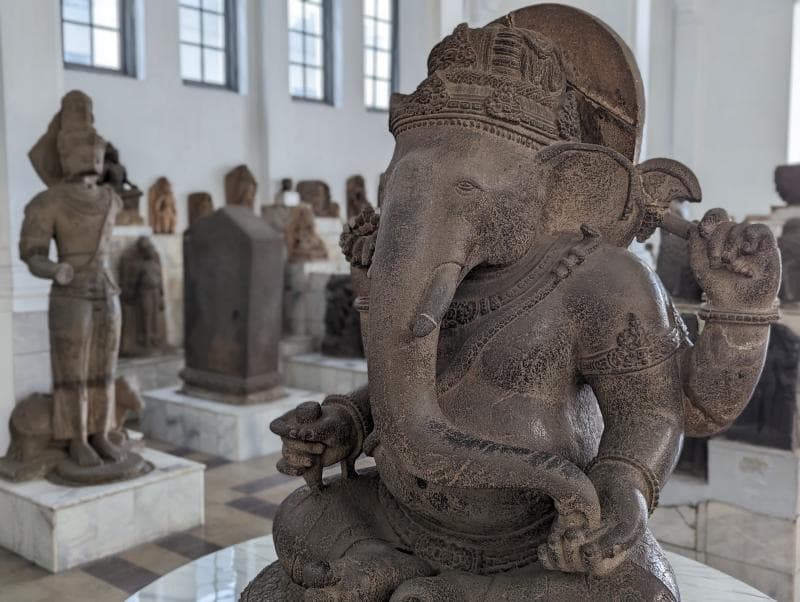
Explore the vibrant Ethnography Collection at the National Museum of Indonesia in Jakarta, discovering the rich cultural tapestry of the archipelago.
Overview
Stepping into the Ethnography Collection at the National Museum of Indonesia in Jakarta is like embarking on an incredible journey across the archipelago's diverse cultural landscape. Located in Central Jakarta, right on the west side of Merdeka Square, the National Museum, affectionately known as the 'Elephant Museum' (Museum Gajah) due to the bronze elephant statue gracing its forecourt, is a cornerstone of Indonesian heritage. This museum is celebrated as one of the most comprehensive and finest institutions of its kind in Southeast Asia, housing an astonishing collection of over 140,000 to 194,593 cultural objects. Among its many treasures, the Ethnography Collection stands out as a vibrant testament to the nation's motto, 'Bhineka Tunggal Ika' – Unity in Diversity.
This dedicated collection offers a profound insight into the myriad traditions, customs, and daily lives of Indonesia's more than 1,300 ethnic groups, spanning over 18,000 islands. From the intricate patterns of handwoven textiles to the imposing forms of traditional ceremonial objects, the Ethnography Collection encapsulates the very soul of Indonesia, presenting a mosaic of human ingenuity and cultural expression gathered from Sumatra to Papua. It provides a unique opportunity to grasp the scale and depth of Indonesian culture in a single, immersive setting.
History & Cultural Background
The National Museum of Indonesia itself boasts a rich history, established on April 24, 1778, as the Bataviaasch Genootschap van Kunsten en Wetenschappen (Royal Batavian Society of Arts and Sciences) by the Dutch Government. Its ethnological focus began early, with the aim to research and preserve the diverse cultures of the Dutch East Indies. Over centuries, this institution evolved, officially becoming the National Museum of Indonesia in 1979, and continuing its mission to protect and present Indonesia's vast cultural heritage.
The Ethnography Collection's development mirrors Indonesia's historical journey, showcasing not only indigenous traditions but also the layers of cultural influence from Hindu, Buddhist, and Islamic periods, as well as the colonial era, all uniquely adapted and integrated into local Indonesian cultures. This layering of history is visible in the artifacts, telling stories of ancient kingdoms, trade routes, religious conversions, and enduring local customs that have shaped the nation. The collection serves as a tangible record of how these influences were woven into the fabric of Indonesian identity, creating the distinctive cultural tapestry seen today.
What Makes It Special
What truly sets the Ethnography Collection apart is its unparalleled scope and the emotional resonance of its exhibits. It's not merely a display of objects; it's a living narrative of human experience across an entire archipelago. Visitors can marvel at miniatures of traditional houses, offering a glimpse into distinct architectural styles and community structures from different regions.
The collection brings to life the vibrant ceremonial objects used in rites of passage, spiritual practices, and traditional performances, connecting onlookers to the deep-seated beliefs and artistic traditions of various communities. Highlights include powerful Dyak masks from Kalimantan, elaborate Sulawesi jewellery, and ancestral wooden statues from Nias Island. The intricate artistry of Javanese shadow puppets (wayang), the symbolic significance of Keris daggers, and the exquisite craftsmanship of handwoven ikat textiles from Sumba and Flores collectively paint a vivid picture of Indonesia's cultural richness. This collection uniquely distills the essence of a nation so geographically vast and culturally varied into an accessible and compelling experience.
Stories, Fun Facts & Local Details
One fascinating aspect of the Ethnography Collection is how it embodies Indonesia's philosophical concept of 'Unity in Diversity.' Despite the sheer number of ethnic groups and their unique traditions, the collection implicitly highlights common threads that bind them, such as shared spiritual beliefs, community values, and artistic expressions. For instance, you might find ceremonial implements with surprisingly similar functions across disparate islands, yet crafted with distinct regional aesthetics.
Beyond the grand displays, smaller artifacts like traditional games or agricultural tools offer charming insights into daily life and the ingenuity of local communities. Imagine the stories behind the moko drums from Alor or the intricate patterns of textiles, each thread potentially telling a tale of family, status, or spiritual connection. The museum itself, often called 'Museum Gajah,' gets its nickname from the bronze elephant statue gifted by King Chulalongkorn of Thailand in 1871, a diplomatic gesture that has become an iconic symbol. This blend of grand history and intimate detail makes the collection a treasure trove for curious minds.
Visitor Perspective
For any curious traveler, the Ethnography Collection at the National Museum of Indonesia offers an enriching and deeply moving experience. It is a place where you can spend hours immersing yourself in the visual splendor and the profound stories of Indonesian culture. The layout, often spanning both the old (Gedung Gajah) and new (Gedung Arca) wings, with connections like the glass-walled bridge gallery, guides visitors through different facets of the collection seamlessly. While some rooms are dedicated to specific categories like textiles or traditional weaponry, others present regional ethnographic profiles, allowing for both focused study and broad appreciation.
A visit here is more than just sightseeing; it's an educational journey that deepens one's understanding of Indonesia as a nation built on a foundation of diverse, yet interconnected, identities. It's an opportunity to truly appreciate the richness and resilience of human culture, laid out in meticulous detail for all to explore and contemplate. It serves as a powerful reminder of the beauty found in cultural differences and the underlying unity that persists across this remarkable archipelago.
Coordinates: 106.8217, -6.1761
View on Google Maps💬 How Travelers Describe This Place
Based on community votes
Photogenic
791Interesting
457Unique
252Must See
147Beautiful
19
Traveler Stories
Discover memorable experiences shared by travelers who have visited this place.
No traveler stories yet.
Be the first traveler to share what made this place memorable.

Tour
By
Spot
Discover amazing places around the world. Your journey starts here.
Explore
© 2026 TourBySpot. All rights reserved.