Ethnographic Museum
Split, Croatia
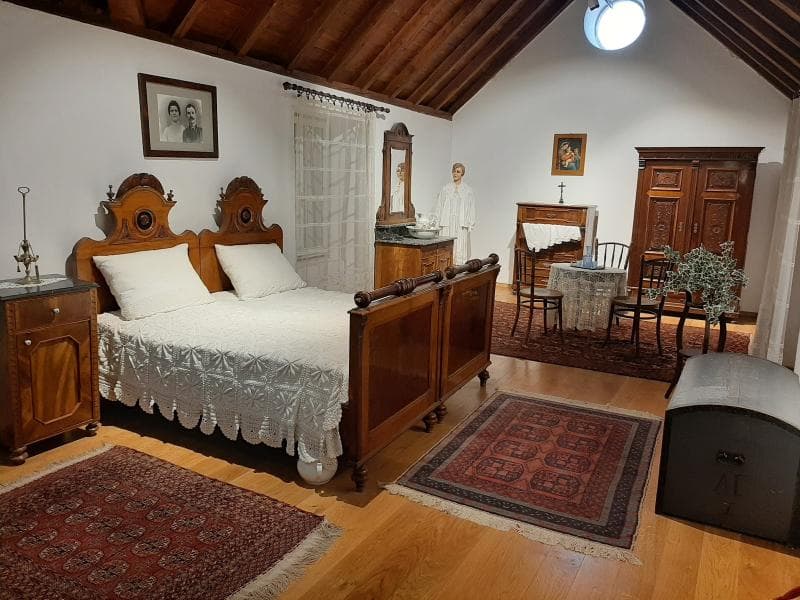
Explore the Ethnographic Museum in Split, Croatia, housed within Diocletian's Palace. Discover Dalmatian folk costumes, traditional crafts, and historical insights into local life.
Overview
Nestled within the ancient walls of Diocletian’s Palace in Split, Croatia, the Ethnographic Museum offers a captivating journey into the rich cultural tapestry of Dalmatia. Housed in a historic building that once formed part of Emperor Diocletian’s private quarters, the museum provides a unique blend of Roman imperial grandeur and the vibrant folk heritage of the region. Visitors are invited to explore a meticulously curated collection that showcases the traditional way of life, from everyday objects to elaborate ceremonial attire.
The museum’s location, just steps from the bustling Peristyle, makes it an accessible and essential stop for anyone wishing to delve deeper than the Roman ruins. It presents a detailed picture of the ingenuity and artistry of past generations, offering a tranquil escape and a profound appreciation for the enduring spirit of Dalmatia.
History & Cultural Background
The Ethnographic Museum in Split traces its origins back to 1910, when it was founded by Kamilo Tončić as the Regional Museum of Folk Arts and Crafts. Tončić, a civil engineer and school principal, recognized the urgent need to systematically collect, preserve, and display the folk handicrafts and cultural heritage of Dalmatia. He began organizing temporary exhibitions as early as 1907, leading to the museum's official establishment. He served as its first director until the end of World War II, playing a pivotal role in safeguarding its invaluable collection, even preventing its transfer to Austria during World War I.
Over the decades, the museum matured, eventually specializing in ethnography and officially adopting its current name. Its relocation into Diocletian's Palace placed it within a building that is historically significant in its own right, incorporating elements that were once the Imperial Bedroom of Diocletian and later the 7th-century Church of St. Andrew of Fenestris. This unique setting allows the museum's collections to resonate deeply within the ancient fabric of Split.
What Makes It Special
What truly sets the Ethnographic Museum apart is its seamless integration into the UNESCO-listed Diocletian's Palace. Walking through its exhibition halls means traversing spaces steeped in millennia of history, from Roman foundations to medieval additions. The museum itself is a living historical artifact, with its ancient walls whispering tales before you even encounter the exhibits.
The collection is a vibrant testament to Dalmatian ingenuity, featuring an extensive array of traditional folk costumes, known as 'nošnja'. Each garment is a wearable history, rich in intricate embroidery and symbolic details that speak of village identity, social status, and celebration. Beyond textiles, visitors will discover practical and aesthetic elements of Dalmatian homes, including agricultural tools, fishing equipment, pottery, and reconstructed historical interiors. Delicate lace, traditional jewelry, and even a collection of historic weaponry further illustrate the diverse cultural practices of the region.
Perhaps one of the most unexpected delights is the panoramic view from the museum's upper floors or designated terrace. From this vantage point, guests can marvel at the red-tiled roofs of Diocletian's Palace, the bustling Peristyle below, and sweeping vistas of Split and the Adriatic Sea. This perspective not only offers a fantastic photo opportunity but also beautifully contextualizes the museum's contents within the broader historical and geographical landscape of Split.
Stories, Fun Facts & Local Details
Imagine being in a space where an emperor once slept, now filled with the everyday objects of those who came centuries later. The museum occupies a part of what was originally Diocletian's Imperial Bedroom, offering an intimate connection to the palace's earliest days.
The traditional Dalmatian folk costumes are not just clothes; they are intricate stories woven in fabric. The distinctions in embroidery, materials, and designs often indicated a person's village, marital status, or wealth. For instance, the renowned lace from islands like Pag and Hvar showcases a delicate artistry passed down through generations, highlighting the timeless craft of Dalmatian women.
Another fascinating detail is the inclusion of the 7th-century Church of St. Andrew of Fenestris within the museum's structure, a subtle reminder of the layered history of the palace as it transitioned from Roman imperial residence to a vibrant medieval city. This blend of epochs within a single building creates a truly unique atmosphere that encourages reflection on the passage of time and the evolution of culture.
Visitor Perspective
A visit to the Ethnographic Museum typically lasts between one and one and a half hours, allowing ample time to explore the collections without feeling rushed. For a more serene experience and to avoid peak crowds, consider visiting during the shoulder seasons (April-May, September-October) or in the early morning shortly after opening, or late afternoon before closing.
The museum's presentation focuses on thematic displays rather than a strict chronological order, which helps in emphasizing the continuity and evolution of Dalmatian customs. The calm atmosphere and well-arranged exhibits make for an informative and engaging visit, appealing to anyone interested in cultural history. Don't forget to seek out the terrace for those breathtaking panoramic views – it's a memorable highlight that ties together the ancient and the ethnographic elements of your Split experience.
Coordinates: 16.43995162504246, 43.507765262739674
View on Google Maps💬 How Travelers Describe This Place
Based on community votes
Must See
569Unique
476Interesting
465Photogenic
276Beautiful
128
Traveler Stories
Discover memorable experiences shared by travelers who have visited this place.
No traveler stories yet.
Be the first traveler to share what made this place memorable.

Tour
By
Spot
Discover amazing places around the world. Your journey starts here.
Explore
© 2026 TourBySpot. All rights reserved.