Ethnographic Hall
Antalya, Turkey
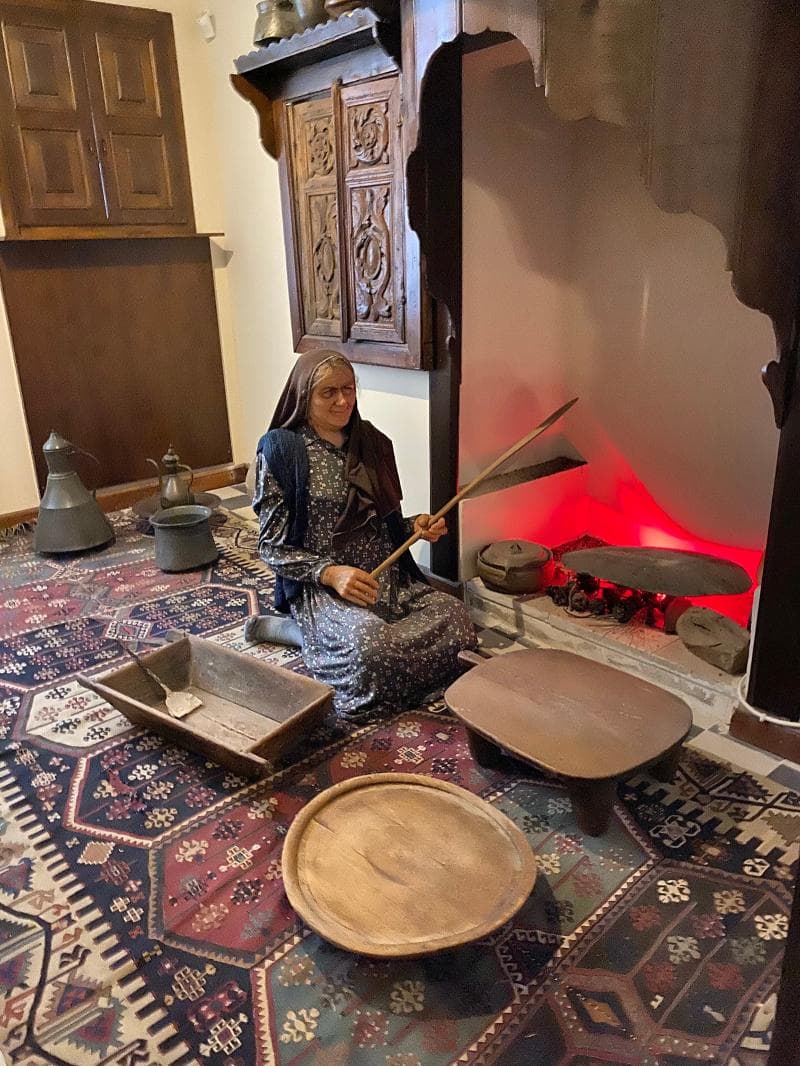
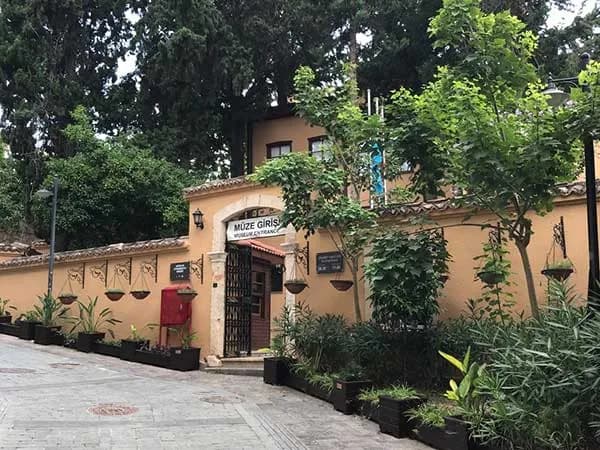
Discover the Ethnographic Hall at Antalya Museum, Turkey, showcasing traditional Seljuk, Ottoman, and Yörük cultures through artifacts and stories. Currently closed for rebuilding, reopening late 2026.
Overview
The Ethnographic Hall, an integral part of the renowned Antalya Archaeological Museum in Antalya, Turkey, offers a fascinating glimpse into the region's rich cultural tapestry. While currently inaccessible due to an extensive rebuilding project aimed at enhancing its facilities and ensuring structural integrity, this hall traditionally served as a vibrant repository of traditional Turkish life and customs. Expected to reopen towards the end of 2026, the reimagined museum, including its ethnographic collections, promises an even richer experience, expanding its exhibition space and modernizing conservation technology.
Before its temporary closure, the Ethnographic Hall provided a counterpoint to the museum's extensive archaeological exhibits, inviting visitors to connect with the more recent past of Anatolia. It showcased the daily lives, artistic expressions, and unique heritage of the people who have shaped this Mediterranean landscape, spanning from the Seljuk and Ottoman periods to the nomadic Yörük culture.
History & Cultural Background
The Antalya Museum itself boasts a compelling history, born out of a desire to safeguard the region's cultural treasures. Established in 1919 following World War I, its initial purpose was to prevent archaeological artifacts from being looted during the Italian occupation. Süleyman Fikri Bey, a dedicated teacher, played a pivotal role in its founding, collecting and preserving what remained.
Over the decades, the museum's collection grew, eventually moving to its current location in 1972 and undergoing significant reorganization in 1985. The ethnographic section reflects a crucial dimension of this historical preservation, focusing on the material culture of the Turkish-Islamic period and beyond. It highlights the traditions, crafts, and social structures that have defined life in Antalya and its surrounding areas for centuries, offering insight into a continuous cultural narrative distinct from the ancient civilizations explored in other halls.
What Makes It Special
The Ethnographic Hall was a treasure trove of everyday objects that told extraordinary stories. Visitors could explore a diverse array of artifacts including exquisite chinaware and porcelains from the Seljuk and Ottoman eras, some crafted using the 'Sıraltı' technique and representing İznik artisanship. Religious artifacts, ceremonial insignia, intricate seals, charms, and timepieces offered glimpses into personal and communal beliefs.
Perhaps most captivating were the textiles: traditional clothing, rich embroidery, and a splendid collection of carpets. These included regional examples like the Döşemealtı carpets, with their distinctive 'Halelli' nomadic character, alongside famous designs from Uşak, Gördes, Ladik, Mucur, Bergama, Kula, and Avonos. Some Uşak carpets in the collection date back to the 16th century, showcasing centuries of weaving tradition. The hall also featured metalwork, traditional musical instruments, and domestic items, painting a vivid picture of past lifestyles.
Stories, Fun Facts & Local Details
Stepping into the Ethnographic Hall was akin to walking through the living history of Antalya's communities. The exhibits provided a window into the Yörük (nomadic) culture, which has thrived in the Taurus Mountains for centuries, illustrating their traditional tents, looms, and household items. Imagine the intricate patterns of a Döşemealtı 'Halelli' carpet, each thread woven with stories of generations, its nomadic origins tangible in its small size and distinctive design.
While some describe parts of the exhibition as being 'without the spirit,' noting an 'oversized collection of wooden spoons' or a 'wheeled vehicle,' the hall also featured compelling elements like recreated interiors of typical 19th-century Antalya households and nomadic tents, offering immersive experiences. The museum itself, housing this hall, received international acclaim, winning the 'European Council Special Prize' in 1988, a testament to its significant role in cultural heritage.
Visitor Perspective
For the time being, the Ethnographic Hall, along with the entire Antalya Archaeological Museum, is closed for visitors as it undergoes a comprehensive rebuilding project. A 2020 seismic analysis revealed the former structure to be at high risk of earthquake damage, necessitating a complete overhaul. The new museum is envisioned to span approximately 20,000 square meters, tripling its storage capacity and integrating state-of-the-art conservation technologies.
While the current closure means a temporary pause in exploration, the future promises an even more impressive and resilient institution. Once it reopens, likely towards the end of 2026, the Ethnographic Hall will once again serve as a vital cultural touchstone. Visitors will have the opportunity to immerse themselves in the authentic traditions and everyday narratives of Antalya's past, providing a profound understanding of the region's human heritage alongside its renowned archaeological wonders. It will be a place where the echoes of ancient civilizations meet the vibrant spirit of Anatolian traditions.
Coordinates: 30.6797, 36.8856
View on Google Maps💬 How Travelers Describe This Place
Based on community votes
Beautiful
958Interesting
728Must See
719Photogenic
481Unique
382
Traveler Stories
Discover memorable experiences shared by travelers who have visited this place.
No traveler stories yet.
Be the first traveler to share what made this place memorable.

Tour
By
Spot
Discover amazing places around the world. Your journey starts here.
Explore
© 2026 TourBySpot. All rights reserved.