Ethnographic Galleries
Manila, Philippines
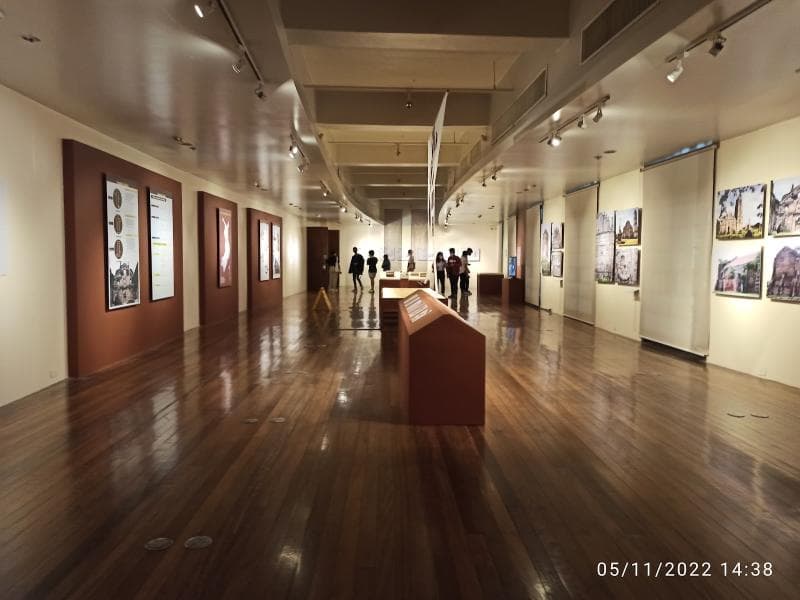
Explore the Ethnographic Galleries at the National Museum of Anthropology in Manila, Philippines, and discover the rich cultural heritage of Filipino indigenous peoples.
Overview
Step into the vibrant tapestry of Filipino heritage at the Ethnographic Galleries, nestled within the esteemed National Museum of Anthropology in Manila, Philippines. These galleries are a profound journey into the diverse cultures and traditions of the archipelago's indigenous peoples, offering a window into their lives, beliefs, and artistic expressions. The National Museum of the Philippines, as an educational, scientific, and cultural institution, meticulously acquires, documents, preserves, and exhibits cultural and historical artifacts that are unique to the Filipino people. Dedicated to ethnological and archaeological exhibitions, the National Museum of Anthropology serves as a vital repository of Philippine identity.
Housed in a grand neoclassical building that once served as the Department of Finance, the museum's exhibits unravel the rich narrative of the Philippines' past, presenting it through a remarkable collection of artifacts. From intricate weaving traditions and ancient scripts to tools, jewelry, and spiritual objects, the galleries provide a comprehensive look at the ingenious ways various communities have thrived across the islands. It's an opportunity to connect with the soul of the nation, celebrating the resilience and creativity of its people.
History & Cultural Background
The building housing the National Museum of Anthropology has a history as rich as the artifacts it contains, originally constructed between 1916 and 1918. Its transformation into the Museum of the Filipino People, and later the National Museum of Anthropology, solidified its role as a guardian of the nation's cultural heritage. The Ethnology Division of the National Museum specializes in the meticulous study of the peoples of the Philippines and their material culture. It proudly manages a National Ethnographic Collection comprising over 10,000 cataloged items, gathered from 50 cultural communities since the early 20th century. These collections are not merely objects; they are tangible stories that speak of ancestral wisdom, daily life, and profound spiritual connections, painting a vivid picture of the archipelago's pre-colonial and evolving cultural landscapes. The museum itself was established in 1988, showcasing terrestrial and underwater archaeological collections alongside its ethnographic displays.
What Makes It Special
The Ethnographic Galleries stand out for their immersive storytelling and the sheer depth of their collections, bringing to life the rich heritage of Filipino indigenous groups. One of its most poignant exhibits is the 'Biyay Gallery,' an Ayta term meaning 'life,' which focuses on the Negrito communities. This gallery beautifully illustrates their deep connection to nature, reflected in their material culture, and also features some of the earliest human remains found in the Philippines – a skull cap and a fossilized right tibia recovered from Tabon Cave. Another highlight is the 'Hibla ng Lahing Filipino' gallery, a celebration of the artistry of Philippine textiles. Here, visitors can marvel at traditional textiles like the kinuttiyan death blanket and ancient Banton cloth fragments, revealing the intricate skills, cultural symbolism, and enduring legacy of weaving traditions across the islands. The 'Baybayin' gallery offers a fascinating exploration of the ancient and traditional scripts of the Philippines, underscoring the nation's rich literary past. These galleries collectively form a 'time capsule of Filipino identity,' inviting visitors to rediscover and reconnect with a heritage as deep as the land itself.
Stories, Fun Facts & Local Details
Imagine encountering artifacts that are thousands of years old, each with a story whispering from the past. The Kaban ng Lahi (Archaeological Treasures) gallery, though archaeological, greatly enriches the ethnographic understanding with iconic pieces like the Manunggul Jar, a famous burial artifact from the late Neolithic period. This intricately designed secondary burial jar offers remarkable insights into the beliefs of the archipelago's early inhabitants regarding the afterlife. The 'Lumad: Mindanao' and 'Faith, Tradition and Place: Bangsamoro Art from the National Ethnographic Collection' galleries showcase the vibrant and often complex narratives of the indigenous peoples and Muslim communities of Mindanao, sharing their unique artistic expressions, spiritual practices, and traditional ways of life. The 'Entwined Spheres' exhibit, focusing on mats and baskets, reveals the ingenuity of early Filipinos in using natural materials for practical and aesthetic purposes, demonstrating how everyday objects can carry profound cultural significance. These spaces immerse visitors in the heart of the Philippines' rich history.
Visitor Perspective
Embarking on a visit to the Ethnographic Galleries within the National Museum of Anthropology is an enriching experience for any curious traveler. Admission to the museum is free, making this invaluable cultural journey accessible to everyone. To make the most of your visit, it's recommended to allocate at least 1.5 to 2 hours to explore the major exhibits thoroughly. For a quieter, more immersive experience, consider visiting on weekdays, ideally right when the museum opens at 10 AM, as crowds are generally lighter then. While walk-in visitors are always welcome, groups of 20 or more are advised to book online in advance. Be prepared to deposit bags larger than a bond paper at the baggage counter, and remember that flash photography, tripods, selfie sticks, food, and drinks are not permitted inside the galleries to preserve the artifacts and ensure a pleasant experience for all. The museum's central location in Rizal Park, Manila, makes it easily accessible via LRT or taxi, perfect for a day of cultural exploration.
Coordinates: 120.98083, 14.58528
View on Google Maps💬 How Travelers Describe This Place
Based on community votes
Unique
958Beautiful
794Must See
571Photogenic
565Interesting
157
Traveler Stories
Discover memorable experiences shared by travelers who have visited this place.
No traveler stories yet.
Be the first traveler to share what made this place memorable.

Tour
By
Spot
Discover amazing places around the world. Your journey starts here.
Explore
© 2026 TourBySpot. All rights reserved.