Ethnographic Displays
Chisinau, Moldova
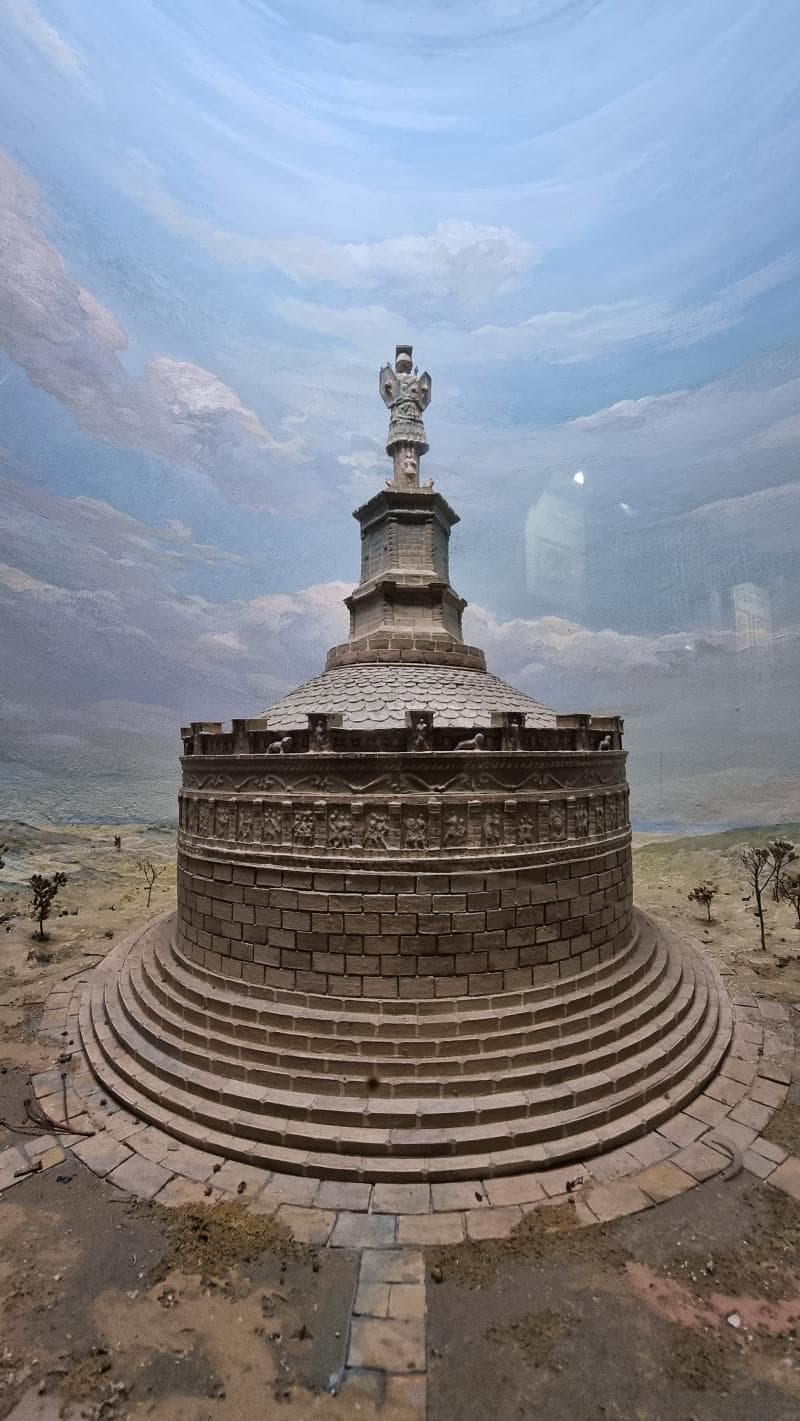
Explore the rich Ethnographic Displays at the National Museum of Ethnography and Natural History in Chisinau, Moldova. Discover traditional crafts, costumes, and rural life.
Overview
The National Museum of Ethnography and Natural History in Chisinau, Moldova, stands as the country's oldest museum, founded in 1889. It is a vital institution dedicated to preserving and showcasing Moldova's rich cultural and natural heritage. The museum's permanent exhibition, aptly titled 'Nature. Human. Culture,' provides a comprehensive journey through the interconnectedness of Moldovan people with their environment, highlighting the evolution of human society and traditional culture within the region.
Housed in a distinctive building designed by architect Vladimir Țiganco, the museum's ethnographic displays are a cornerstone of its extensive collection. These exhibits delve into the intricacies of Moldovan rural life, traditional crafts, and vibrant costumes, offering visitors a deep dive into the nation's identity. With a vast collection numbering over 135,000 items, and some sources suggesting over 200,000 pieces, the museum's ethnographic sections are particularly rich, covering various aspects of daily life, artistry, and ancestral traditions.
History & Cultural Background
The origins of the National Museum of Ethnography and Natural History trace back to 1889, stemming from the first Agricultural and Industrial Exhibition organized by the Bessarabian Zemstvo. This initial focus on agriculture and industry gradually expanded to embrace a broader scope, encompassing both natural history and the traditional culture of Bessarabia, which later became Moldova.
The museum's iconic building, completed in 1905 and inaugurated in June 1906, is a testament to the architectural vision of Vladimir Țiganco. Its unique pseudo-Moorish style makes it an architectural monument of national importance in Chisinau, a striking edifice that captivates visitors even before they step inside.
Over the decades, the museum has evolved, reflecting changing perspectives on heritage and identity. It has played a crucial role in establishing Moldova's museum network and museology, continually expanding its collections to reflect the depth of Moldovan natural and cultural history.
What Makes It Special
The Ethnographic Displays within the National Museum are particularly special for their detailed portrayal of Moldovan rural life and the tangible expressions of its cultural identity. Visitors can explore extensive collections that illuminate the crafts, traditional costumes, and daily practices of Moldovan people throughout history. The permanent exhibition spans over 2,000 square meters, offering ample space for immersive displays that convey a sense of genuine connection to the past.
Among the highlights are priceless collections of Bessarabian carpets, some dating back to the 18th century, showcasing intricate weaving techniques and artistic patterns that are hallmarks of Moldovan craftsmanship. The exhibits also feature traditional national clothes, ceramics, meticulously crafted furniture, models of folk architecture, and a diverse array of musical instruments. These artifacts collectively paint a vivid picture of the ingenuity and cultural richness embedded in Moldovan heritage.
The integration of ethnographic elements within the 'Nature. Human. Culture' exhibition is designed to illustrate the profound relationship between Moldovans and their natural surroundings, demonstrating how the environment has shaped traditions and ways of life. This interdisciplinary approach makes the ethnographic section not merely a collection of objects, but a narrative of human adaptation and cultural expression.
Stories, Fun Facts & Local Details
One of the most engaging aspects of the museum's ethnographic focus is its commitment to living traditions. The museum regularly hosts annual handicraft exhibitions, where local artisans showcase their skills and preserve age-old crafts. These events transform the museum into a vibrant hub of cultural exchange, celebrating the continuity of Moldovan artistry.
Beyond the static displays, the museum is a venue for folklore events, national competitions, and festivals. These lively gatherings highlight popular creations from across the country, offering visitors a chance to experience Moldovan culture in motion, complete with traditional music, dance, and storytelling.
A fascinating detail is the museum building itself. Its pseudo-Moorish architectural style, with its distinctive elements, provides an exotic backdrop for the cultural treasures it holds. The architect Vladimir Țiganco's design created a 'real palace' for the collections, a unique structure that adds to the overall experience.
Visitor Perspective
For a curious traveler, the Ethnographic Displays offer an unparalleled opportunity to trace the evolution of Moldovan ethnicity and understand the enduring customs that define the nation. The careful curation of artifacts, from everyday tools to ceremonial garments, allows for an intimate connection with the lives of past generations. It is an exploration that moves beyond mere observation, encouraging reflection on the human story within Moldova's landscapes.
A visit here feels like stepping into a living history book, where each exhibit tells a tale of resilience, creativity, and community. The wealth of detail in the traditional costumes, the functionality and beauty of the ceramics, and the structural elegance of the folk architecture models all contribute to a truly immersive experience. While exploring, visitors can appreciate how these cultural expressions are deeply rooted in the Moldovan identity. The museum is open from Tuesday to Sunday, typically from 10:00 AM to 6:00 PM, providing ample time to explore its extensive ethnographic treasures.
Coordinates: 28.81984652515977, 47.02326576678312
View on Google Maps💬 How Travelers Describe This Place
Based on community votes
Must See
551Interesting
421Photogenic
366Beautiful
298Unique
212
Traveler Stories
Discover memorable experiences shared by travelers who have visited this place.
No traveler stories yet.
Be the first traveler to share what made this place memorable.

Tour
By
Spot
Discover amazing places around the world. Your journey starts here.
Explore
© 2026 TourBySpot. All rights reserved.