Ethnic Culture Galleries
Yangon, Myanmar
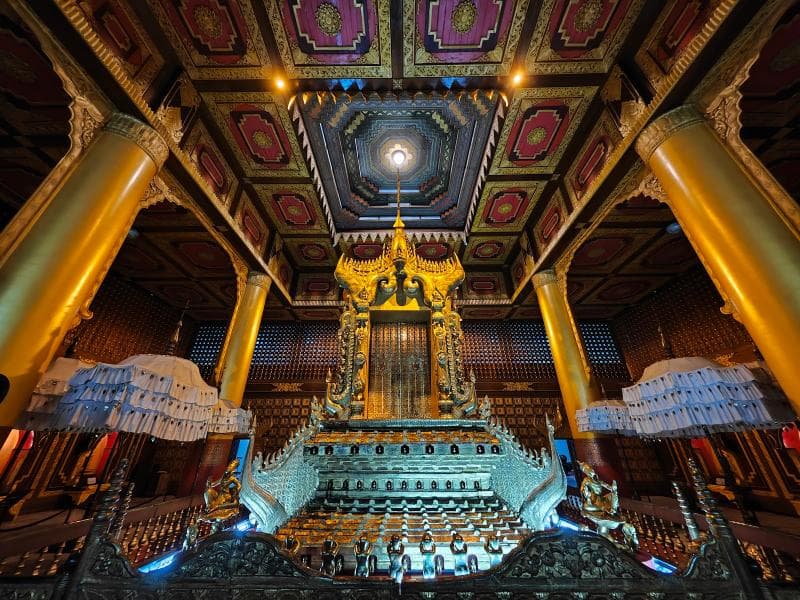
Explore the vibrant Ethnic Culture Galleries at the National Museum of Myanmar in Yangon, showcasing the diverse traditions and artifacts of its 135 ethnic groups.
Overview
Deep within the National Museum of Myanmar in Yangon, travelers can discover the vibrant 'Ethnic Culture Galleries'. Located on the fourth floor of the museum's five-story building, this dedicated space offers a captivating glimpse into the rich tapestry of Myanmar's diverse indigenous populations. Here, visitors are presented with a colorful display of national dresses and traditional artifacts, representing the distinct customs and heritage of the country's numerous ethnic groups. It serves as a vital exhibit, showcasing the unique cultural identities that collectively form the national character of Myanmar.
History & Cultural Background
The National Museum of Myanmar, founded in 1952, has been a custodian of the nation's artistic, historical, and cultural treasures through several locations before settling into its current purpose-built home on Pyay Road in 1996. Myanmar is renowned for its remarkable ethnic diversity, officially recognizing 135 distinct groups, which are broadly categorized into eight major national races: the Bamar, Shan, Karen, Rakhine, Mon, Chin, Kachin, and Kayah. Each of these groups possesses its own unique language, traditions, and cultural heritage, developed over millennia as various peoples migrated into the region. The 'Ethnic Culture Galleries' serve as a microcosm of this profound national characteristic, providing a tangible connection to the historical and ongoing contributions of these communities to the broader Myanmar identity. This extensive cultural fabric is a cornerstone of the country's social landscape and is beautifully preserved and presented within these galleries.
What Makes It Special
What truly sets the 'Ethnic Culture Galleries' apart is its comprehensive and visually striking presentation of Myanmar's ethnological mosaic. Unlike the historical or art galleries found elsewhere in the museum, this section is solely dedicated to celebrating the living cultures of its people. Visitors can marvel at the intricate designs and vibrant colors of the national dresses, each telling a story of its origin, social status, and traditions. The display of traditional artifacts, such as tools, ornaments, and household items, provides insight into the daily lives, craftsmanship, and artistic expressions unique to each ethnic group. It offers a rare opportunity to observe the subtle differences and shared threads that weave through the diverse cultural practices across the nation, making it an invaluable educational and immersive experience for anyone seeking to understand the soul of Myanmar.
Stories, Fun Facts & Local Details
The galleries invite visitors to explore not just objects, but the stories behind them. For instance, one might learn about the traditional woven tunics of the Karen people, known for their elaborate patterns and vibrant hues, often signifying tribal affiliation or marital status. The Kachin, residing in the northern hills, are celebrated for their elaborate Manaw festivals, and while not explicitly shown, the artifacts hint at the regalia and ceremonial items used during such significant cultural events. The Chin people, historically known for facial tattoos among women, also have distinct sartorial traditions reflected in the exhibits. These displays offer a silent narrative of the customs, beliefs, and artistic ingenuity passed down through generations. The sheer variety of expressions, from the textiles to the tools, underlines the profound pride each group takes in its heritage, balancing ancient Buddhist traditions with unique ethnic practices.
Visitor Perspective
For the curious traveler, a visit to the 'Ethnic Culture Galleries' is an illuminating journey into the heart of Myanmar's cultural diversity. Located conveniently on the fourth floor of the National Museum of Myanmar, it provides an easily accessible yet deeply enriching experience. The displays are arranged to offer clear explanations and context, allowing for a self-guided exploration of the various ethnic groups. While the entire museum promises a historical and artistic overview of Myanmar, these galleries offer a direct and personal connection to its living heritage. It is an opportunity to appreciate the multitude of traditions, languages, and artistic forms that coexist, offering a more nuanced understanding of this Golden Land. The museum itself is situated at 66/74 Pyay Road, Dagon Township, Yangon, and is typically open from 9:30 AM to 4:30 PM, Tuesday through Sunday.
Coordinates: 96.1425, 16.78861
View on Google Maps💬 How Travelers Describe This Place
Based on community votes
Interesting
963Beautiful
897Photogenic
723Must See
481Unique
463
Traveler Stories
Discover memorable experiences shared by travelers who have visited this place.
No traveler stories yet.
Be the first traveler to share what made this place memorable.

Tour
By
Spot
Discover amazing places around the world. Your journey starts here.
Explore
© 2026 TourBySpot. All rights reserved.