Escolta Street
Manila, Philippines
Explore Escolta Street in Binondo, Manila, Philippines – a historic thoroughfare showcasing diverse architecture, pioneering innovations, and a vibrant cultural revival.
Overview
Nestled within the bustling district of Binondo in Manila, Philippines, Escolta Street is more than just a thoroughfare; it is a living chronicle of the city's vibrant past and its resilient spirit. This historic east-west street runs parallel to the Pasig River, serving as a tangible link to Manila's colonial and post-war eras. Once the premier commercial and financial district of the Philippines, Escolta was celebrated for its pioneering spirit, housing some of the nation's first skyscrapers and showcasing an eclectic mix of architectural styles. Today, while its heyday as the sole commercial heart has passed, Escolta is experiencing a renaissance, transforming into a hub for arts, culture, and independent ventures, all while retaining its distinct old-world charm.
History & Cultural Background
Escolta Street's origins trace back to 1594, making it one of Manila's oldest streets. Its name is believed to have been derived from the Spanish word 'escoltar,' meaning 'to escort,' a nod to the Spanish governor-general's convoy that would frequently parade through this significant street. In its early days, Escolta was a bustling marketplace, a vibrant artery for imported goods arriving from China, Europe, and Latin America.
The late 19th and early 20th centuries marked Escolta's golden age, particularly during the Spanish and American colonial periods. It flourished into Manila's most fashionable business district, earning monikers like the 'Broadway of Manila' and the 'Queen of Manila's Streets.' The street was lined with modern department stores and hosted the city's tallest buildings, reflecting Manila's aspirations for modernity. The introduction of electric tram lines, known as tranvías, further solidified its status as a progressive urban center. However, Escolta's prominence began to wane after the 1960s, as the center of business gradually shifted to newer districts like Makati. In recent decades, local communities and heritage conservation groups have spearheaded initiatives to revitalize Escolta, breathing new life into its historic structures and streets.
What Makes It Special
Escolta Street holds a unique place in Philippine history for several compelling reasons. It stands as an unparalleled architectural showcase, featuring a fascinating blend of Beaux-Arts, Art Deco, Neoclassical, and Renaissance styles. Each building tells a story, contributing to the street's character as a living museum.
The street was also a cradle of innovation, home to many 'firsts' in the Philippines. Here, one could find the country's first elevator in the Burke Building, the first air-conditioned commercial establishment known as the Crystal Arcade, the first cinema at the Salon de Pertierra, and even the first ice cream parlor, Clarke's. These pioneering establishments cemented Escolta's reputation as a progressive and cosmopolitan hub.
Beyond its historical markers, Escolta is special because it embodies a narrative of resilience and reinvention. It serves as a tangible link to Manila's colonial and post-war history, reflecting the city's past grandeur and its enduring spirit. Today, it is re-emerging as a vibrant creative hub, particularly centered around the First United Building, attracting artists, designers, and entrepreneurs who contribute to its evolving cultural landscape.
Stories, Fun Facts & Local Details
- The iconic Burke Building, completed in 1919, holds the distinction of housing Manila's very first elevator.
- The First United Building, originally known as the Perez-Samanillo Building, is a magnificent Art Deco structure designed by Andres Luna de San Pedro, the son of the renowned painter Juan Luna. When completed in 1928, it was the tallest building in Manila. Today, it stands as a bustling hub for creatives, independent shops, and even houses a community museum.
- The Calvo Building, a fine example of Beaux-Arts architecture built in 1938, was home to the first radio studio of DZBB-AM (now GMA Network) and currently hosts the Calvo Museum, filled with nostalgic memorabilia.
- The Regina Building, designed in a Neo-classical and Beaux-Arts style also by Andres Luna de San Pedro, contributes to the street's architectural grandeur.
- The El Hogar Filipino Building, a splendid neo-classical and Renaissance edifice, was reportedly built as a wedding gift in 1914.
- The Capitol Theater, designed by National Artist Juan Nakpil, featured a rare double balcony and unique reliefs by Italian sculptor Francesco Monti. Though largely demolished in recent years, efforts were made to retain parts of its historic facade.
- Events like the Escolta Block Party and the Saturday Future Market are modern initiatives that highlight the street's ongoing transformation into a thriving arts and culture district.
Visitor Perspective
For the curious traveler, Escolta Street offers a truly immersive journey into Manila's past and present. A leisurely stroll along its pavements is highly recommended to fully appreciate the remarkable architectural gems that line the street. Allow yourself time to gaze up at the intricate details of buildings like the Regina Building and the First United Building, each whispering tales of bygone eras.
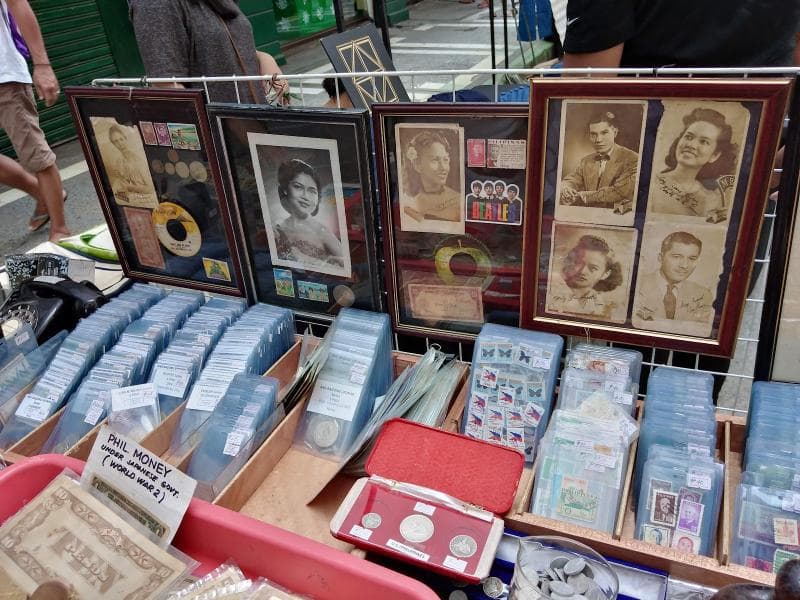
To experience Escolta at its most vibrant, consider visiting on a Saturday when the Escolta Market is often open, offering a treasure trove of unique vintage finds and local art. Pause for a moment of reflection and a taste of local coffee at cozy cafes, such as The Den located within the First United Building, where you can also browse Filipino literature and art. The street is alive with art spaces, pop-up shops, and community initiatives like 98B COLLABoratory, which champion independent creatives and cultural preservation. Escolta presents a compelling blend of the old and the new, embodying a gritty yet resilient spirit that is distinctly Manila. Its compact nature also makes it an ideal complement to a day exploring nearby Binondo and Intramuros.
Coordinates: 120.97711, 14.596816
View on Google Maps💬 How Travelers Describe This Place
Based on community votes
Interesting
981Photogenic
617Beautiful
565Must See
157Unique
28
Traveler Stories
Discover memorable experiences shared by travelers who have visited this place.
No traveler stories yet.
Be the first traveler to share what made this place memorable.

Tour
By
Spot
Discover amazing places around the world. Your journey starts here.
Explore
© 2026 TourBySpot. All rights reserved.