Energy Exhibits
Munich, Germany
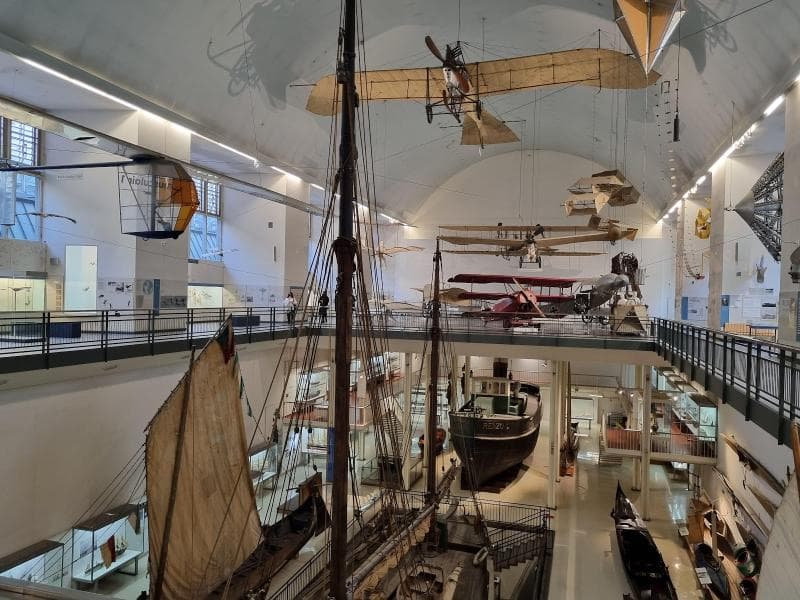
Explore the Energy Exhibits at Deutsches Museum in Munich, Germany, detailing humanity's journey with power, from historical discoveries to future solutions.
Overview
The Deutsches Museum in Munich, Germany, is a world-renowned institution dedicated to showcasing scientific and technological advancements. Its 'Energy Exhibits' offer a profound journey through humanity's intricate relationship with power, from ancient discoveries to contemporary challenges and future solutions. These exhibits delve into how energy is generated, transformed, and utilized, highlighting its critical role in societal development and its environmental implications. While several foundational energy-related sections, including 'Energy Technology,' 'Electric Power,' and 'Power Machinery,' are undergoing extensive renovation and are scheduled to reopen in 2028, the museum continues to provide insightful experiences within its broader energy narrative.
Visitors can explore the evolution of energy use, understand the principles behind various energy sources, and ponder the complexities of a sustainable future. The museum's approach is highly educational, merging historical context with accessible explanations and engaging displays, ensuring a comprehensive understanding of this vital subject.
History & Cultural Background
Founded in 1903 by the visionary engineer Oskar von Miller, the Deutsches Museum has long served as a beacon of scientific and technical education. Germany, a nation at the forefront of engineering and industrial innovation, has a rich history deeply intertwined with energy development. The museum's energy exhibits reflect this heritage, illustrating the breakthroughs that have powered German industry and society. From the earliest understanding of fire as an energy source to the development of sophisticated thermal engines in the 17th century, the exhibits chronicle how human ingenuity has continuously sought to harness and control power. The museum regularly updates and redesigns its exhibitions, with areas like 'Renewable Energy' modernized in 2012, demonstrating a commitment to staying current with energy discourse and technological progress.
The cultural significance of these exhibits lies in their ability to contextualize Germany's journey through industrialization and its ongoing commitment to energy transition. They provide a historical lens through which visitors can appreciate the monumental efforts and ingenious solutions that have shaped our modern energy landscape.
What Makes It Special
What truly sets the Deutsches Museum's energy exhibits apart is their blend of historical artifacts, operational models, and interactive elements. Despite ongoing renovations in some areas, the 'Energy – Motors' exhibition remains a highlight, presenting a diverse array of engines in motion. Here, visitors can marvel at wind turbines, gas turbines, combustion engines, and water turbines, all designed to illustrate how various forms of energy are converted into kinetic power. A true centerpiece is Rudolf Diesel's original first diesel engine from 1897, a monumental achievement in engineering history that revolutionized power generation and transportation.
Another striking feature is the impressive cut wind turbine blade, measuring 55 meters, which spans across the exhibition space, offering a tangible sense of the scale of modern renewable energy technology. The museum's dedication to hands-on learning transforms complex scientific principles into understandable and engaging experiences, fostering curiosity and deeper engagement with the subject matter.
Stories, Fun Facts & Local Details
The Deutsches Museum weaves compelling narratives into its energy exhibits, making learning both memorable and impactful. For instance, while some sections are under renovation, the museum has historically used interactive installations like a bicycle generator, allowing visitors to physically experience the effort required to produce energy. A 'CO2 game' has also provided an engaging way to understand activities that contribute to carbon footprints, directly connecting energy consumption to climate change awareness.
These elements underscore the museum's role not just as a repository of knowledge, but as an active participant in public discourse surrounding sustainable energy. The museum's commitment to explaining the 'why' behind energy choices and their consequences empowers visitors with knowledge relevant to current global challenges. Its location on Museumsinsel (Museum Island) in the Isar river also holds historical charm, as the island itself was developed and flood-proofed for the museum's construction, symbolizing a triumph of engineering and planning.
Visitor Perspective
Visiting the Deutsches Museum's energy exhibits is an immersive and educational experience suitable for all ages. Travelers often describe the museum as vast, suggesting that a single day is barely enough to explore its entirety. For the energy exhibits specifically, visitors can expect to spend a considerable amount of time engaging with the displays, whether observing historic engines, examining detailed models, or participating in interactive demonstrations. The exhibits are designed to appeal to curious minds, from children fascinated by machines to adults seeking a deeper understanding of energy systems.
It is important for prospective visitors to note the ongoing extensive renovations within some of the core energy sections, which are scheduled for completion in 2028. Therefore, it is highly recommended to check the official Deutsches Museum website prior to a visit for the most up-to-date information on accessible exhibitions and any temporary closures. This ensures that a visit can be planned effectively to make the most of the fascinating insights into the world of energy that the museum continues to offer.
Coordinates: 11.58339, 48.12988
View on Google Maps💬 How Travelers Describe This Place
Based on community votes
Interesting
685Unique
446Photogenic
399Must See
152Beautiful
33
Traveler Stories
Discover memorable experiences shared by travelers who have visited this place.
No traveler stories yet.
Be the first traveler to share what made this place memorable.

Tour
By
Spot
Discover amazing places around the world. Your journey starts here.
Explore
© 2026 TourBySpot. All rights reserved.