Embassy District
Berlin, Germany
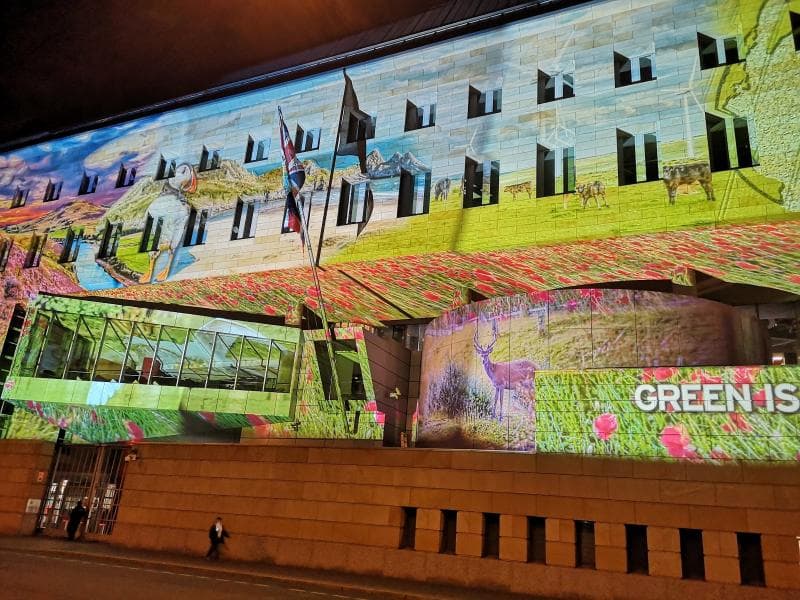
Explore Berlin's Embassy District in Tiergarten, a historic hub of international diplomacy near the Brandenburg Gate.
Overview
While not physically 'inside' the iconic Brandenburg Gate, Berlin's Embassy District is an expansive and historically rich area primarily located within the Tiergarten district, immediately adjacent to the Gate itself. This diplomatic quarter serves as a vibrant symbol of Berlin's status as a reunited capital and a global city. Here, the architectural expressions of nations worldwide converge, creating a unique urban landscape where international relations are conducted daily. From the grandeur of Pariser Platz, home to the United States Embassy, the district stretches into the leafy boulevards of Tiergarten, showcasing a blend of restored historic buildings and striking contemporary designs, each telling a story of global connection and national identity.
History & Cultural Background
The area that now comprises Berlin's Embassy District has a fascinating history, reflecting the tumultuous journey of the city itself. Before World War II, the Tiergarten district was already an esteemed residential area, attracting diplomatic missions from the late 19th century onwards. By 1938, nearly 40 embassies and almost 30 consulates had established their presence, making it a central diplomatic hub. However, the war brought immense destruction, severely damaging or obliterating many of these magnificent buildings. The subsequent division of Germany and Berlin during the Cold War saw diplomatic activity largely relocate, with many countries moving their embassies to Bonn, the provisional capital of West Germany, or establishing missions in East Berlin.
With Germany's reunification in 1990 and Berlin's reconfirmation as the capital, a significant migration of diplomatic missions back to Berlin began. This return marked a new chapter, leading to extensive reconstruction and the creation of new embassy buildings, particularly in the historic diplomatic quarter near the Tiergarten. This period saw nations re-establishing their presence, often on their former historical plots, contributing to the city's modern architectural landscape.
What Makes It Special
What makes Berlin's Embassy District truly special is its vivid reflection of modern history and international cooperation. It is a living testament to Germany's reunification and its role on the world stage. The district is not merely a collection of official buildings; it is an open-air exhibition of diverse architectural styles, each embassy representing its nation's cultural heritage and contemporary vision. Countries like the Netherlands, Austria, and the United Kingdom have invested in distinctive designs that are themselves works of art, enriching Berlin as an international metropolis. The district's proximity to central landmarks like the Brandenburg Gate and the Reichstag also places it at the heart of Berlin's political and historical narrative, allowing visitors to feel the pulse of global diplomacy.
Stories, Fun Facts & Local Details
One of the most compelling stories within the Embassy District is the journey of the United States Embassy. Its current location on Pariser Platz, right next to the Brandenburg Gate, is highly symbolic. The site was once home to the American Embassy before WWII, but the original building was destroyed and the plot remained a desolate, inaccessible area during the Cold War. After reunification, the decision to rebuild the embassy here symbolized America's commitment to a united Berlin. The construction faced unique challenges, balancing strict security requirements with Berlin's desire to restore the historic character of Pariser Platz, resulting in a robust yet aesthetically integrated structure.
A stroll through the district reveals fascinating details. For instance, the Swedish and Nordic Embassies (housing Denmark, Finland, Iceland, Norway, and Sweden) are notable for their collaborative architectural design, often utilizing materials and motifs specific to their respective cultures while presenting a unified front. The British Embassy, rebuilt on Wilhelmstraße, also embodies a modern approach to diplomacy, with its architecture designed to foster openness. These buildings are not just functional spaces but carefully curated national statements, offering a quiet, ongoing dialogue between nations through their very facades.
Visitor Perspective
For the curious traveler, the Embassy District offers a unique walking experience that combines historical immersion with architectural appreciation. Starting at the Brandenburg Gate, one can easily explore the immediate vicinity, including Pariser Platz, and then venture into the leafy streets of Tiergarten where many embassies reside. While entry into the embassies themselves is generally restricted, their exteriors provide a captivating display of national character. The modern designs, often incorporating elements of their home countries' landscapes or traditions, make for excellent photographic opportunities and moments of reflection on global interconnectedness. It's a place where history feels very much alive, from the echoes of division near the Brandenburg Gate to the contemporary expressions of international unity in the surrounding diplomatic buildings. The district offers a chance to witness, from the outside, the active stage of international relations in one of Europe's most dynamic cities.
Coordinates: 13.3777, 52.5162
View on Google Maps💬 How Travelers Describe This Place
Based on community votes
Interesting
921Must See
617Beautiful
357Photogenic
232Unique
147
Traveler Stories
Discover memorable experiences shared by travelers who have visited this place.
No traveler stories yet.
Be the first traveler to share what made this place memorable.

Tour
By
Spot
Discover amazing places around the world. Your journey starts here.
Explore
© 2026 TourBySpot. All rights reserved.