Elephant Cave Entrance
Bali, Indonesia
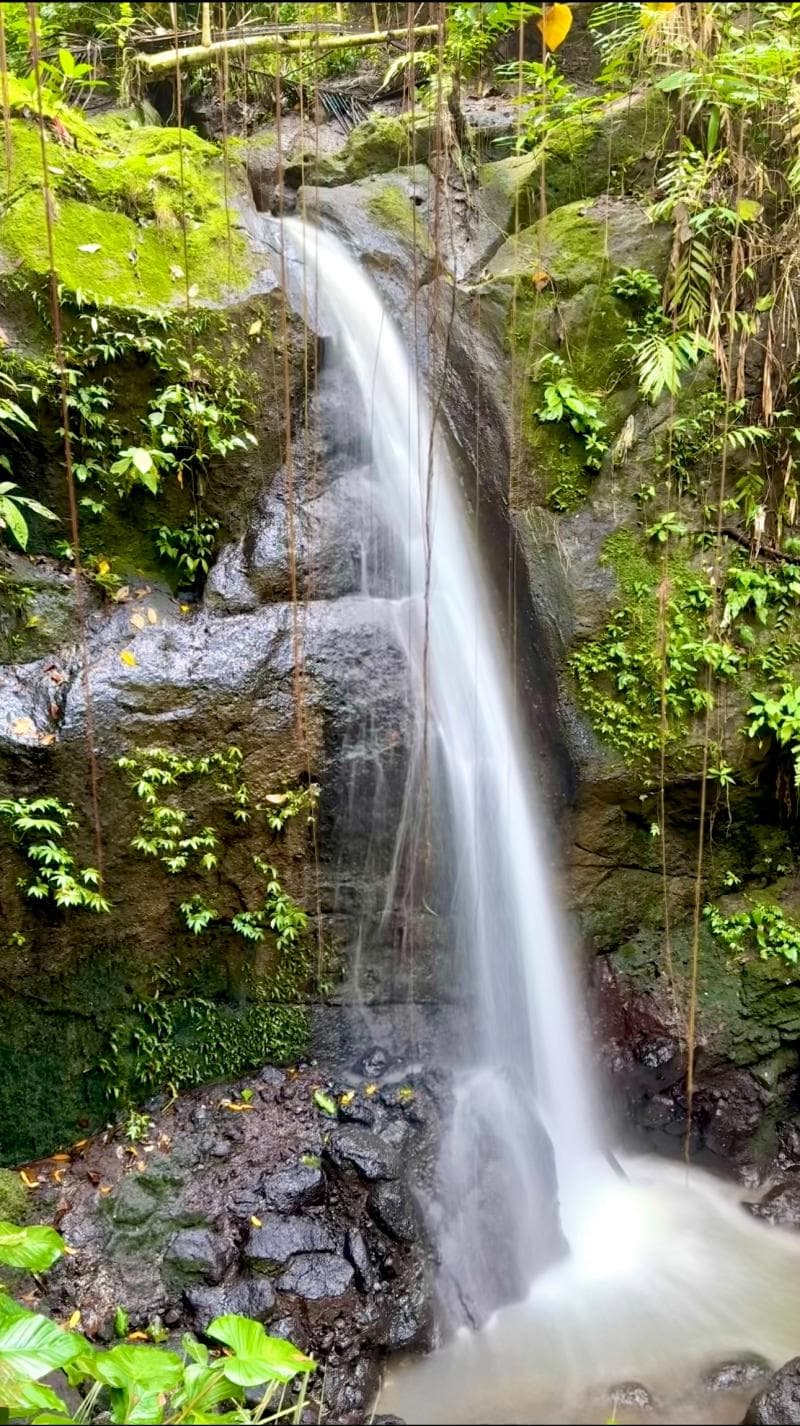
Discover Elephant Cave (Goa Gajah) in Bali, Indonesia. Explore its ancient, intricately carved entrance, sacred bathing pools, and rich history blending Hindu and Buddhist traditions.
Overview
Nestled amidst the lush landscapes near Ubud, Bali, Indonesia, lies the ancient archaeological site of Goa Gajah, famously known as the Elephant Cave. This captivating destination is not merely a cave but an expansive complex steeped in history and spiritual significance, inviting travelers to step into Bali's rich past. At its heart is the enigmatic cave entrance, a masterpiece of ancient stone carving that serves as a gateway to a realm of meditation and cultural reverence. Goa Gajah stands as a testament to the island's unique blend of Hinduism and Buddhism, offering a profound glimpse into Balinese heritage and spirituality.
History & Cultural Background
The origins of Goa Gajah trace back to at least the 9th century, with some stylistic elements suggesting an 11th-century Bali Kingdom influence. It was primarily conceived as a sanctuary for spiritual meditation, used by both Hindu priests and Buddhist monks. This dual religious heritage highlights the syncretic nature of Balinese spirituality, where different faiths harmoniously coexisted. The site is even mentioned in the ancient Javanese poem Desawarnana, written in 1365. After centuries of being lost to time and overgrowth, Dutch archaeologists rediscovered the cave in 1923, and the elaborate bathing pools were unearthed much later in 1954.
The name 'Goa Gajah' literally translates to 'Elephant Cave,' yet there are no wild elephants present at the site. The origin of its name is a subject of fascinating debate. One theory suggests it was named after the nearby Petanu River, which was once known as the 'Lwa Gajah' or 'Elephant River'. Another popular belief is that the cave's name derives from the elephant-headed Hindu deity Ganesha, whose statue resides within the cave. A third explanation attributes the name to the menacing, elephant-like appearance of the main carving at the cave's entrance.
What Makes It Special
The most striking and iconic feature of Goa Gajah is undoubtedly its elaborate cave entrance. Carved directly into the rock face, it depicts a colossal, menacing giant face with a wide, gaping mouth. This dramatic imagery is believed to represent demonic figures, such as the demon Kala or the earth spirit Bhoma, whose purpose is to ward off evil spirits and protect the sanctity of the sacred space within. Passing through this 'mouth' is often interpreted as a symbolic journey into the spiritual depths.
Beyond the entrance, the cave's interior is T-shaped, surprisingly small but rich with ancient carvings. Along its narrow passages, visitors will find niches carved into the walls, thought to have been used by priests and monks for quiet meditation and spiritual rituals. Inside, there is a prominent statue of the Hindu god Ganesha, symbolizing wisdom and the remover of obstacles, alongside the lingam and yoni symbols of Shiva, representing creation and fertility.
Outside the cave, a stone stairway leads down to ancient bathing pools. These pools, a significant part of the complex, are adorned with six stone statues of women holding water pitchers. These figures are often interpreted as symbols of the seven holy rivers of India, and the water flowing from them is considered sacred, traditionally used for ritual purification.
Stories, Fun Facts & Local Details
Local folklore adds a mystical layer to Goa Gajah. One captivating legend suggests that the entire cave was carved by the fingernail of the mythical giant Kebo Iwa, showcasing his immense strength. The presence of both Hindu and Buddhist imagery within the same complex is a rare and fascinating detail, reflecting Bali's ancient embrace of diverse spiritual practices. Even today, Goa Gajah remains an active place of worship, with local Balinese Hindus frequently visiting to perform rituals and offer prayers. Visitors might observe the traditional 'melukat' cleansing ceremonies performed at the holy bathing pools, believed to purify the body and spirit. The intricate details found throughout the site, from the ancient inscriptions on the cave walls to the subtle carvings in the surrounding area, continuously tell stories of a vibrant past.
Visitor Perspective
Visiting the Elephant Cave Entrance and its surrounding complex is an immersive cultural experience. As you approach, the imposing facade immediately commands attention, drawing you into its ancient mystery. A modest dress code is required, and visitors are typically provided with a sarong to wear as a sign of respect for this sacred site. The journey involves walking down a flight of stairs to access the main cave complex, which then extends into serene gardens and further ancient ruins. To fully appreciate the tranquil atmosphere and avoid larger crowds, the best times to visit are generally early morning or late afternoon. The entire site, including the iconic entrance, offers a peaceful retreat for reflection and a deeper connection with Bali's profound spiritual and historical legacy.
Coordinates: 115.28785, -8.52291
View on Google Maps💬 How Travelers Describe This Place
Based on community votes
Interesting
879Photogenic
741Beautiful
482Unique
396Must See
274
Traveler Stories
Discover memorable experiences shared by travelers who have visited this place.
No traveler stories yet.
Be the first traveler to share what made this place memorable.

Tour
By
Spot
Discover amazing places around the world. Your journey starts here.
Explore
© 2026 TourBySpot. All rights reserved.