Educational Exhibits
Vilnius, Lithuania
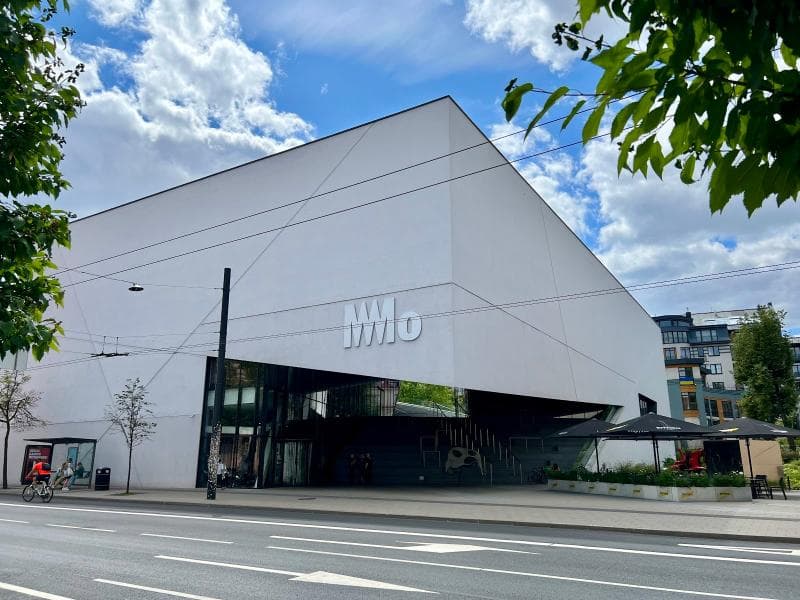
Discover the enriching Educational Exhibits at MO Museum in Vilnius, Lithuania, offering diverse programs for all ages to explore modern Lithuanian art.
Overview
The MO Museum in Vilnius, Lithuania, stands as a vibrant testament to modern and contemporary Lithuanian art, offering a dynamic cultural experience for both locals and international travelers. Opened in 2018, this private initiative quickly established itself as a significant cultural landmark, distinguished by its unique architectural design and its profound dedication to making art accessible to a broad public. The museum’s core mission revolves around collecting, preserving, and exhibiting Lithuanian visual art created from the 1960s to the present day. Its 'Educational Exhibits', in particular, are central to its philosophy, aiming to transform the museum into a place of active learning and engagement rather than just a passive viewing space.
Far from being a traditional art institution, MO Museum embraces an open and inclusive approach, fostering dialogue and critical thinking across various age groups. Its educational programs are meticulously designed to engage visitors, from young children to adults, in understanding art not just as aesthetic objects but as reflections of history, culture, and personal expression. The museum is renowned for its diverse activities, including temporary exhibitions, film screenings, concerts, and workshops, all contributing to its lively atmosphere and community-focused ethos.
History & Cultural Background
The story of the MO Museum is deeply rooted in the personal vision and philanthropy of Lithuanian scientists Danguolė and Viktoras Butkus. Their journey began in 2008 with a passion for collecting Lithuanian modern and contemporary art. For nearly a decade, before the physical building opened, the MO Museum operated as a 'museum without walls', engaging the public through various cultural projects and art education initiatives.
This period of collecting resulted in a significant ensemble of over 6,000 artworks, many of which are of national significance. The collection uniquely covers a period of immense change in Lithuania, from the 1960s through the Soviet era and into the independent modern state. It includes pieces that were once ideologically unacceptable and overlooked by state museums, offering a crucial visual record of Lithuania's evolving cultural, social, and political landscapes. The establishment of the physical museum in 2018, in a building designed by the world-renowned architect Daniel Libeskind, marked the culmination of this ambitious private initiative, providing a permanent home for this invaluable collection and a hub for artistic exploration.
What Makes It Special
What truly sets MO Museum apart, especially regarding its educational offerings, is its innovative and dynamic approach to museum practice. Unlike many traditional institutions, MO Museum does not feature a single permanent exposition. Instead, it regularly presents changing principal exhibitions in its main hall, accompanied by several smaller, focused exhibitions. This ensures a fresh and engaging experience with every visit, encouraging repeat engagement and continuous learning.
The museum's architecture, designed by Daniel Libeskind in collaboration with Do Architects, is itself a work of art and integral to its special character. Conceived as a 'cultural gateway' connecting Vilnius's historic Old Town with its modern parts, the building features striking elements like a dramatic public spiral staircase and a terraced roof, which doubles as a gathering space for public performances and talks. This thoughtful design emphasizes openness and public interaction, aligning perfectly with the museum's commitment to accessibility and community involvement.
Stories, Fun Facts & Local Details
One fascinating aspect of the MO Museum's history is its location. The modern structure stands on the site of the former 'Lietuva' cinema, a place holding nostalgic memories for many Vilnius residents, particularly those who recall queuing to see films like 'Titanic' there. This transformation from a beloved cinema to a contemporary art institution symbolizes the city's continuous evolution while honoring its past.
Beyond its walls, MO Museum has actively extended its educational reach into the community. An earlier initiative, 'Travelling Museum', saw the team visiting schools across Vilnius to introduce children to art in non-traditional ways. Another notable project, 'Vilnius Talking Statues', an interactive cultural guide launched in 2015, brought 15 local statues to life with audio texts written by famous Lithuanian writers and voiced by actors. This made Vilnius the fourth city globally to implement such a project, showcasing MO's innovative spirit in connecting art with public spaces and local narratives.
Visitor Perspective
For visitors interested in the 'Educational Exhibits', the MO Museum offers a rich and varied array of programs designed to cater to diverse interests and age groups. The museum explicitly aims to challenge the stereotype that art museums are solely for art classes, positioning itself as a platform for developing essential 21st-century competencies such as creativity, critical thinking, and social-emotional skills.
Programs are tailored for preschool children, primary, and secondary school students. These include emotional intellect development classes, which help children recognize and express feelings, fostering empathy and cooperation. Integrated classes creatively link art with traditional school subjects like literature, history, biology, and English, encouraging students to see these subjects in a new light. Furthermore, the museum employs a visual thinking education method, based on a perpetual dialogue between educators and participants, which hones observational skills, critical analysis, and argumentative expression. For adults, the museum organizes art education lectures, meetings with artists, and interdisciplinary events, providing profound opportunities to engage with art and culture in an accessible and understandable manner. These educational initiatives demonstrate MO Museum's commitment to lifelong learning and its role as a space where everyone can discover, reflect, and grow through art.
Coordinates: 25.277744, 54.67947
View on Google Maps💬 How Travelers Describe This Place
Based on community votes
Must See
996Unique
673Photogenic
186Beautiful
143Interesting
80
Traveler Stories
Discover memorable experiences shared by travelers who have visited this place.
No traveler stories yet.
Be the first traveler to share what made this place memorable.

Tour
By
Spot
Discover amazing places around the world. Your journey starts here.
Explore
© 2026 TourBySpot. All rights reserved.