Dwarf Garden
Salzburg, Austria
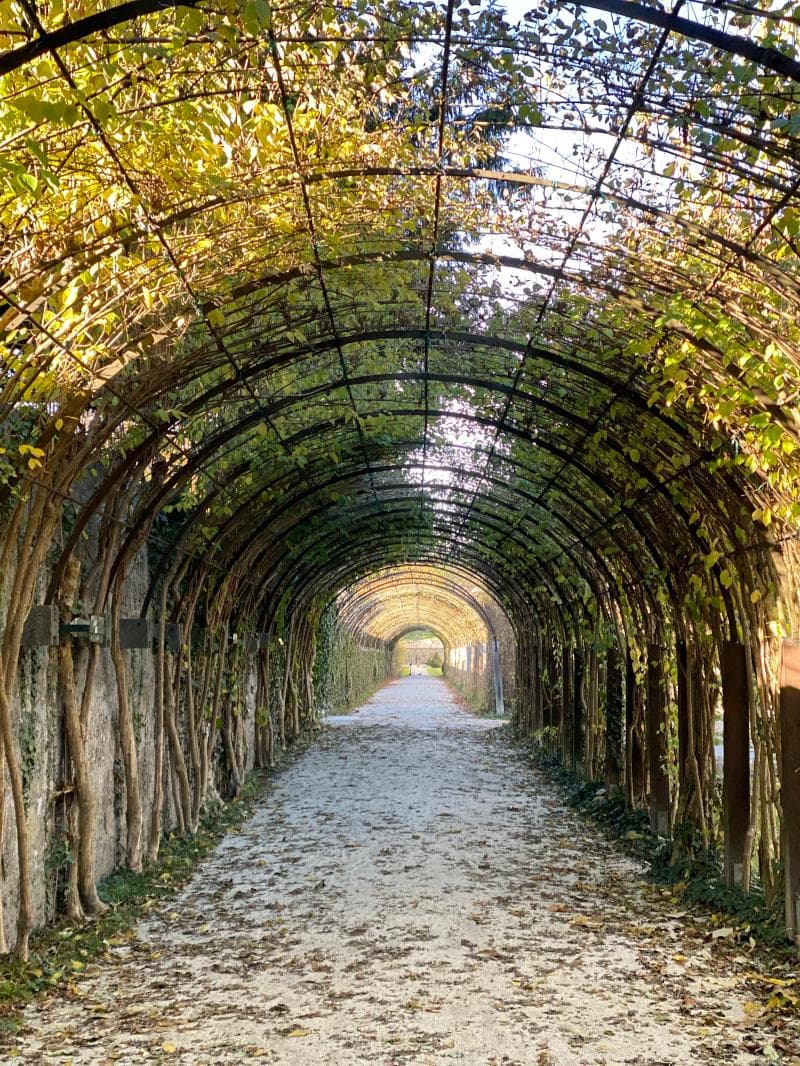
Discover Salzburg's whimsical Dwarf Garden within Mirabell Palace And Gardens, Austria. Explore Europe's oldest collection of baroque dwarf statues.
Overview
Nestled within the famed Mirabell Palace And Gardens in Salzburg, Austria, lies a captivating and whimsical corner known as the Dwarf Garden, or 'Zwergerlgarten'. This unique outdoor museum showcases a collection of peculiar baroque statues that have charmed and intrigued visitors for centuries. Considered the oldest dwarf garden in Central Europe, it offers a fascinating glimpse into a historical artistic trend that blends art, folklore, and a touch of the grotesque.
The Dwarf Garden is not merely a collection of figures; it is a storied component of the larger Mirabell Gardens, a UNESCO World Heritage site renowned for its stunning baroque design and immaculate landscaping. Amidst the grandeur of the palace and the structured beauty of the gardens, the Dwarf Garden presents a whimsical contrast, inviting a closer look at its expressive inhabitants.
History & Cultural Background
The origins of Mirabell Palace trace back to 1606 when Prince-Archbishop Wolf Dietrich von Raitenau commissioned its construction for his beloved mistress, Salome Alt, and their children. The surrounding gardens underwent a significant redesign around 1690, orchestrated by the acclaimed baroque architect Johann Bernhard Fischer von Erlach under the patronage of Archbishop Johann Ernst Graf Thun.
It was under Prince-Archbishop Franz Anton Harrach, around 1715, that the Dwarf Garden came into being. Originally, this peculiar ensemble consisted of 28 statues, meticulously carved from local white Untersberg marble. These sculptures were not born from pure imagination; they drew inspiration from copper engravings by the French artist Jacques Callot, known for his depictions of exaggerated and often grotesque figures.
A compelling aspect of their creation is the belief that many of these 'Zwerge' were modeled after real individuals within the archbishop's court, including dwarves who served as entertainers, as well as local townsfolk and peasants. This practice reflects a baroque fascination with individuality and often, the theatrical representation of diverse human forms, including those with physical peculiarities such as goiters and hunchbacks.
The garden's history, however, is not without its dramatic turns. In the early 19th century, around 1811 or 1818, the Dwarf Garden faced a period of exile. Crown Prince Ludwig of Bavaria, then residing in Mirabell Palace, reportedly found the 'disfigured' appearances of the statues unsettling. Concerned for his pregnant wife and unborn child, he ordered their removal and subsequent auctioning. The dwarves were scattered and largely forgotten for over a century. It wasn't until 1919 or 1921 that the Salzburg City Council, recognizing their cultural and historical significance, initiated efforts to recover and restore these unique pieces of art. To date, 17 of the original 28 statues have been successfully reunited within the garden.
What Makes It Special
The Dwarf Garden holds a special place in Europe's cultural landscape as its oldest existing collection of baroque dwarf statues. What truly sets it apart are the individual figures themselves – each a marble masterpiece with distinct, often exaggerated, features that evoke a range of expressions from comical to melancholic. These 'disfigured creatures,' as some historical accounts termed them, were a deliberate artistic choice, reflecting the baroque era's aesthetic which embraced both ideal beauty and compelling imperfections.
The statues' tumultuous journey from creation, through banishment and auction, to their eventual recovery and restoration, imbues the garden with a captivating narrative of survival and historical appreciation. Their white Untersberg marble composition further elevates their artistic value. Situated within the harmonious and grand design of the Mirabell Gardens, the Dwarf Garden provides an unexpected and charmingly eccentric counterpoint, making it a memorable highlight of any visit to this UNESCO-listed complex.
Stories, Fun Facts & Local Details
Before earning its current name, the Dwarf Garden was known by earlier appellations such as 'Pigatl Garden' or 'Pagodn Garden', reflecting changing trends and perceptions of garden artistry. Each of the original 28 dwarves was believed to embody a specific character or represent a particular concept. For instance, some represented the months of the year, such as the dwarf with the chicken for January, symbolizing new beginnings, or the dancing dwarf for February, representing carnival festivities.
A charming local legend whispers that the dwarves possess a magical quality: if a visitor selects a statue, touches it, and clearly visualizes a wish, the dwarves are said to grant it. These figures, with their 'goiters and hunchbacks', were sculpted with a meticulous attention to detail that, ironically, led to their temporary removal due to their perceived 'ugliness' by a past royal resident. Today, preservation is key; while the surrounding chestnut trees offer a pleasant ambiance, their shade and falling branches pose a risk to the delicate marble. Efforts are continuously made to protect these irreplaceable sculptures, including a restoration project completed between late 2017 and mid-2018, which saw the figures lovingly cleaned and repositioned.
Visitor Perspective
For the curious traveler, the Dwarf Garden offers a delightful and thought-provoking experience within Salzburg's Mirabell Gardens. It is a place where art, history, and a touch of the fantastical converge, providing ample opportunity for contemplation and enjoyment. Visitors can wander among the unique statues, appreciating the artistic skill and the historical context of these peculiar figures.
The garden appeals to all ages, with its playful and imaginative figures sparking curiosity in children, while adults can delve into the rich cultural and historical narratives embedded within each sculpture. It serves as a calm and intriguing counterpoint to the more formal Baroque grandeur of the main gardens, inviting a leisurely stroll and a moment of quiet reflection. Access to the Dwarf Garden, like the rest of Mirabell Gardens, is free of charge and generally open daily from early morning until dusk, making it an accessible and rewarding stop for anyone exploring Salzburg.
Coordinates: 13.04399, 47.79941
View on Google Maps💬 How Travelers Describe This Place
Based on community votes
Must See
539Unique
517Interesting
422Photogenic
394Beautiful
251
Traveler Stories
Discover memorable experiences shared by travelers who have visited this place.
No traveler stories yet.
Be the first traveler to share what made this place memorable.

Tour
By
Spot
Discover amazing places around the world. Your journey starts here.
Explore
© 2026 TourBySpot. All rights reserved.