Dunsapie Loch
Edinburgh, United Kingdom
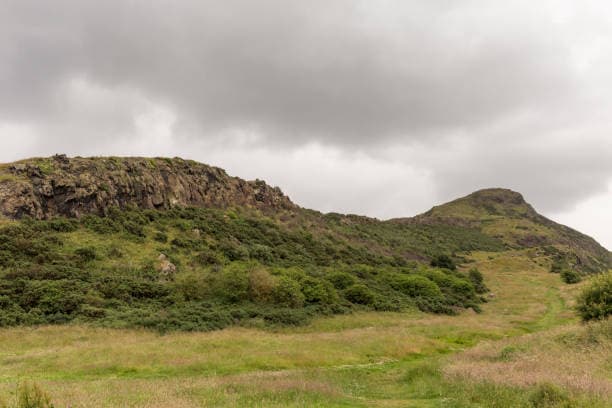
Discover Dunsapie Loch, a serene artificial lake in Holyrood Park, Edinburgh, United Kingdom, offering tranquil views and rich history near Arthur's Seat.
Overview
Tucked peacefully within the expansive Holyrood Park, at the foot of the majestic Arthur’s Seat in Edinburgh, United Kingdom, lies the serene Dunsapie Loch. This picturesque freshwater loch, though small, offers a tranquil escape and breathtaking views of the surrounding volcanic landscape. It’s a popular spot for both local residents and curious travelers seeking a moment of calm amidst Edinburgh’s bustling city life, providing an excellent starting point for exploring the wider wonders of Arthur's Seat.
Dunsapie Loch is located on the eastern side of Arthur's Seat, making it easily accessible and a significant landmark within the park's diverse terrain. Its gentle waters reflect the dramatic hillsides, inviting quiet contemplation or spirited birdwatching. The loch's charm lies in its harmonious blend of natural beauty and historical context, offering a glimpse into both Edinburgh's ancient past and its designed landscapes.
History & Cultural Background
Unlike many of Scotland’s ancient lochs, Dunsapie Loch is an artificial creation, dating back to 1844. It was established as part of broader improvements within Holyrood Park, initiated by Prince Albert, consort to Queen Victoria. Its creation, along with St. Margaret’s Loch, was primarily intended to help drain the marshy areas of the park, transforming the landscape for both aesthetic and practical purposes.
The area surrounding Dunsapie Loch, particularly Dunsapie Hill and Arthur’s Seat, boasts a history stretching back millennia. Arthur’s Seat itself is the remnant of an ancient volcano that erupted approximately 340-350 million years ago, with glaciers later carving its distinctive shape. Evidence of human activity in Holyrood Park dates back to the Stone Age, with flint tools found in the area, indicating that hunter-gatherers once roamed these lands. Furthermore, Iron Age hillforts, including one on Dunsapie Crag overlooking the loch, reveal a past where these peaks served as defensive and residential sites, hinting at a long-standing human connection to this dramatic landscape.
What Makes It Special
Dunsapie Loch stands out for its tranquil atmosphere and its accessibility, providing a serene counterpoint to the more strenuous hikes up Arthur's Seat. It is a celebrated spot for birdwatching, attracting a variety of waterfowl such as mute swans, greylag geese, mallards, and coots. On occasion, lucky visitors might even spot otters, which have been frequently sighted in recent months.
The loch’s position offers exceptional photographic opportunities, with the imposing Arthur’s Seat providing a dramatic backdrop. In winter, when the conditions are right, the frozen surface of the loch creates a magical, almost otherworldly scene. Moreover, Dunsapie Loch serves as a convenient and picturesque starting point for several routes leading to the summit of Arthur's Seat, including the easiest ascent from the east. Its artificial origin, a deliberate act of landscape design by Prince Albert, adds a unique historical layer, showcasing a blend of natural grandeur and Victorian-era vision.
Stories, Fun Facts & Local Details
A curious tidbit from its history involves Prince Albert's initial, unfulfilled vision for Dunsapie Loch. He once proposed building a rustic thatched restaurant by its shores. However, a strong public campaign, voiced through letters in 'The Scotsman' newspaper, led to the plan being ultimately abandoned. This story highlights the local sentiment and the appreciation for the untouched beauty of the area even in the 19th century.
Near Dunsapie Loch, you can observe fascinating cultivation terraces cut into the hillside. These features, sometimes described as 'steps for giants', are remnants of ancient farming practices, showcasing how the land was worked since medieval times using techniques like 'rig-and-furrow'. These archaeological details enrich the sense of a landscape that has been shaped by both nature and human endeavor for thousands of years. The sight of these ancient marks adds a layer of human story to the powerful geology of the area.
Visitor Perspective
Visiting Dunsapie Loch is an accessible and rewarding experience for most. A car park is conveniently located at the loch itself, and Queen's Drive circles Holyrood Park, allowing for easy access. From the loch, several well-defined paths ascend Arthur’s Seat, including the 'Yellow Route' and the 'Green Route', which offer varying degrees of challenge and stunning panoramic views of Edinburgh, Duddingston Loch, Calton Hill, and the Firth of Forth.
The walk around the loch itself is generally easy, providing a peaceful stroll for those not wishing to embark on a strenuous climb. It’s an ideal spot to pause, enjoy the scenery, and observe wildlife. While some sources note a lack of historical signage, the sheer beauty and tranquility of Dunsapie Loch, coupled with its historical roots and the dramatic backdrop of Arthur's Seat, make it an unforgettable part of any visit to Edinburgh.
Coordinates: -3.15505, 55.94668
View on Google Maps💬 How Travelers Describe This Place
Based on community votes
Interesting
521Beautiful
477Must See
422Unique
157Photogenic
28
Traveler Stories
Discover memorable experiences shared by travelers who have visited this place.
No traveler stories yet.
Be the first traveler to share what made this place memorable.

Tour
By
Spot
Discover amazing places around the world. Your journey starts here.
Explore
© 2026 TourBySpot. All rights reserved.