Dungeons
Manila, Philippines
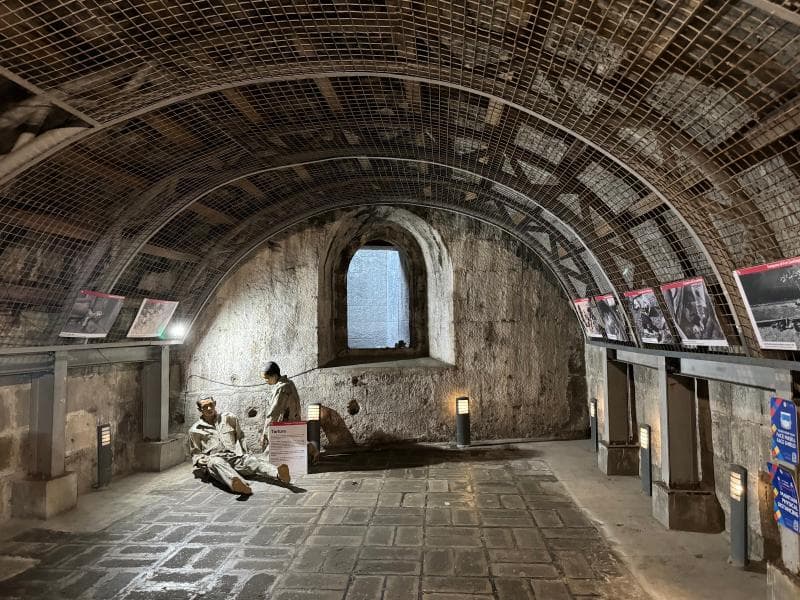
Explore the haunting Dungeons of Fort Santiago in Manila, Philippines. Uncover centuries of history, from powder magazine to WWII prison, and the resilience of the Filipino spirit.
Overview
Within the historic Fort Santiago in Manila, Philippines, lies the Dungeons—a deeply significant and somber sub-spot. Originally constructed in the 1590s as gunpowder magazines, these stone chambers were later repurposed as prison cells, becoming silent witnesses to centuries of struggle for Philippine freedom. Rehabilitated and now open to the public, these historic Dungeons offer a poignant journey into a pivotal chapter of Filipino history, allowing visitors to connect with the echoes of resistance and sacrifice within Fort Santiago's venerable confines.
History & Cultural Background
Fort Santiago, built by Spanish conquistador Miguel López de Legazpi in 1571, served as the Spanish colonial empire's primary military stronghold. The Dungeons, located beneath the Baluarte de Santa Barbara, were initially powder magazines. However, their inherent dampness, due to proximity to the Pasig River, made them unsuitable for gunpowder storage. Consequently, in the 1600s, these chambers were converted into prison cells, holding political opponents and dissidents under Spanish rule. During the Philippine Revolution of 1896, they were packed with suspected revolutionaries.
The Dungeons' darkest period was during World War II, under Japanese occupation (1942-1945). The Japanese Kempei Tai notoriously used them as brutal detention and torture chambers. Thousands of Filipino civilians and American and Filipino prisoners of war endured inhumane conditions, starvation, and lack of air circulation. During the Battle of Manila in 1945, hundreds of trapped prisoners perished inside. The discovery of approximately 600 bodies led to their burial in a mass grave near the Dungeons, marked by a white marble cross. Today, the Dungeons stand as a powerful memorial to WWII victims and Filipino sacrifices for freedom.
What Makes It Special
The Dungeons of Fort Santiago are profoundly special, offering a visceral link to centuries of struggle for independence. They provide a stark, unembellished encounter with the harsh realities of imprisonment and human suffering during colonial and wartime periods. Their transformation from a military storage facility to a notorious prison highlights the desperate and evolving uses of such strategic locations throughout history.
Intriguingly, the Dungeons are steeped in the persistent local legend of prisoners drowning from the Pasig River's tides. While archaeological evidence from the Intramuros Administration has debunked this as a 'black legend,' confirming the Dungeons were built above river level, this enduring myth underscores the site's perceived grimness and historical trauma. The true horror lay in deliberate inhumane conditions, dampness, starvation, and lack of oxygen. This combination of factual history and compelling folklore makes the Dungeons a truly distinctive and emotionally resonant destination, inviting deep reflection on past injustices and Filipino resilience.
Stories, Fun Facts & Local Details
- The Debunked Drowning Myth: A widespread legend suggests the Dungeons would flood with the Pasig River's tides, drowning prisoners. However, the Intramuros Administration, backed by archaeological evidence, asserts this is a 'black legend,' confirming the Dungeons are above river level and could not have flooded. The myth likely arose from the chambers' extreme dampness and numerous deaths from other inhumane conditions.
- A Mass Grave Site: A poignant white marble cross near the Dungeons marks the mass grave of approximately 600 bodies. These were victims, primarily Filipino and American, discovered after the 1945 Battle of Manila, many having perished within Fort Santiago during Japanese occupation.
- Repurposed Chambers: Originally built in the 1590s as powder magazines, their inherent dampness ironically led to their conversion into desolate prison cells, a grim twist of fate that sealed their dark destiny.
- Strict Visitor Access: To preserve the site and ensure a respectful experience, access to the Dungeons is limited to a maximum of ten guests at a time, with children aged 12 and below generally restricted.
Visitor Perspective
Exploring the Dungeons of Fort Santiago is an intensely moving experience, offering a direct encounter with history. The atmosphere immediately shifts upon entering; a profound sense of solemnity and reflection fills the dark, cold, and eerie chambers. The low entrance, requiring a slight squat, symbolically transitions visitors into this space of historical weight.
This experience is designed for learning and contemplation, serving as a powerful reminder of war's horrors and foreign domination. It encourages visitors to remember the sacrifices for freedom and appreciate peace. While preserving the somber mood, installed lighting ensures safe passage.
Visitors should wear comfortable shoes for the fort's cobblestone paths. Respect for the site is crucial: observe silence, avoid littering, and refrain from vandalism, acknowledging the Dungeons as hallowed ground. Guided tours are highly recommended for deeper historical context. The Dungeons offer a unique opportunity for introspection, allowing one to walk through a tangible piece of history and gain a profound appreciation for the resilience of the Filipino people.
Coordinates: 120.970102, 14.594428
View on Google Maps💬 How Travelers Describe This Place
Based on community votes
Must See
971Interesting
523Photogenic
231Unique
149Beautiful
141
Traveler Stories
Discover memorable experiences shared by travelers who have visited this place.
No traveler stories yet.
Be the first traveler to share what made this place memorable.

Tour
By
Spot
Discover amazing places around the world. Your journey starts here.
Explore
© 2026 TourBySpot. All rights reserved.