Dormition Cathedral
Kiev, Ukraine
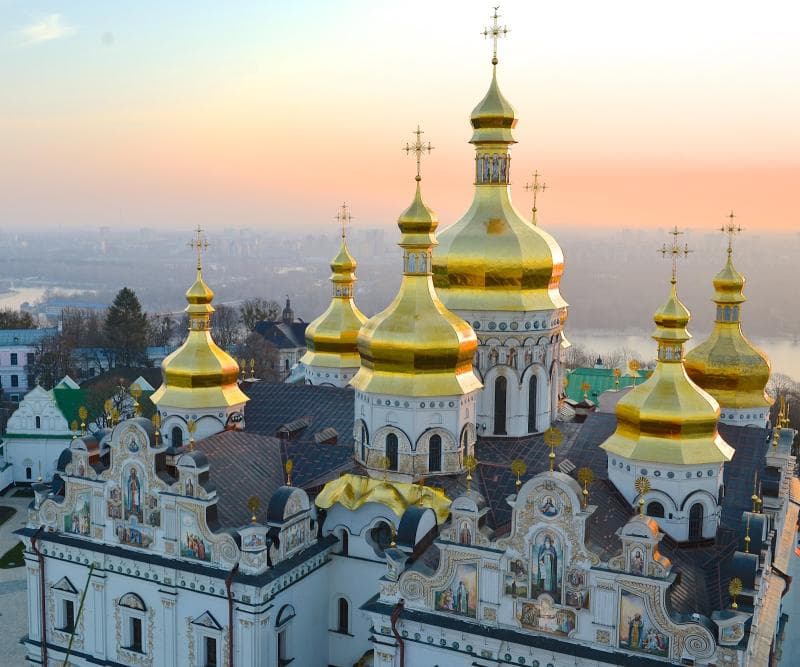
Explore the Dormition Cathedral within Kyiv Pechersk Lavra in Kiev, Ukraine. Discover its ancient history, unique Ukrainian Baroque architecture, and profound spiritual significance as a symbol of national resilience.
Overview
Nestled within the ancient grounds of the Kyiv Pechersk Lavra in Kiev, Ukraine, stands the majestic Dormition Cathedral, often referred to as the Great Church. This architectural marvel is not merely a place of worship; it is the spiritual heart of the monastery complex and a powerful symbol of Ukrainian Orthodox Christianity. Recognized globally for its profound historical and cultural significance, the Dormition Cathedral forms a vital part of the Kyiv Pechersk Lavra, a UNESCO World Heritage site. Its golden domes, visible across the Dnieper River, invite travelers to explore centuries of faith, art, and resilience.
History & Cultural Background
The original Dormition Cathedral was founded between 1073 and 1078, initiated by Saint Theodosius of Kiev and generously financed by Prince Sviatoslav II of Kiev. Its construction involved Byzantine masters, laying the foundation for a spiritual edifice that would serve as the necropolis for Kyivan princes. From its inception, the cathedral was not just a religious center but also an architectural blueprint, influencing the design of numerous churches throughout Kyivan Rus'.
Throughout its long history, the Dormition Cathedral has endured repeated cycles of destruction and rebirth. It suffered damage from a devastating earthquake in 1230 and the Mongol invasion led by Khan Batu in 1240. Further trials included a Crimean raid in 1482 and a major city fire in 1718. Each time, the cathedral rose from its ashes, often rebuilt and expanded, notably taking on a distinctive Ukrainian Baroque style in the 18th century.
A particularly tragic chapter unfolded in 1941 when the cathedral was destroyed during World War II, lying in ruins for decades. Its reconstruction commenced in 1995 following Ukraine's independence, culminating in its reconsecration in 2000. This painstaking restoration transformed the cathedral into a profound symbol of national revival. However, its trials continued into modern times; on June 15, 2026, the Dormition Cathedral sustained damage from a Russian drone strike, once again demonstrating its enduring struggle and resilience.
What Makes It Special
The Dormition Cathedral holds a singular place in Eastern Orthodox Christianity due to several compelling factors. Historically, it served as an architectural prototype for countless churches in the vast Kyivan Rus' lands, solidifying Kiev's role as a spiritual and cultural epicenter. Its interior, originally adorned with intricate mosaics and frescoes by Greek masters, showcased an artistic tradition that included Alipy, recognized as the first known Ukrainian icon painter. These artworks, though largely lost to time and conflict, represent a crucial chapter in Ukrainian art history.
More than its structural beauty, the cathedral is a powerful symbol of Ukraine's spiritual continuity, national identity, and unwavering spirit. Its dramatic destruction in 1941 and subsequent meticulous reconstruction in the Ukrainian Baroque style, emphasizing its 17th-18th century appearance, served as a deliberate embrace of Ukrainian heritage over past imperial narratives. This choice underscores its role as a beacon of cultural self-determination. Furthermore, the cathedral has served as the revered burial site for many influential princes, church figures, and patrons, linking it directly to the foundational figures of Ukrainian spirituality and education.
Stories, Fun Facts & Local Details
Legends surrounding the Dormition Cathedral's founding add a mystical layer to its rich history. One tale recounts how the Mother of God herself appeared to the architects, not only choosing the exact site but also providing gold for its construction, relics of seven saints, and a miraculous icon. She is even said to have revealed the architectural outlines of the future temple in the sky. Another legend tells of the monastery's founder, monk Anthony, whose prayer led to a fire descending from the heavens, clearing the land for construction. These stories reflect the deep reverence and spiritual significance attributed to this sacred place from its very beginnings.
The cathedral's moniker, 'the Great Church', speaks to its enduring prominence and grandeur within the Lavra complex. Its journey from ancient Byzantine roots to its Ukrainian Baroque splendor, only to be destroyed and then gloriously rebuilt, is a testament to the persistent faith and dedication of the Ukrainian people. Each restoration has not just been a physical rebuilding, but a spiritual reaffirmation of identity and hope.
Visitor Perspective
Visiting the Dormition Cathedral offers a profound journey through time and spirituality. As you approach the Kyiv Pechersk Lavra, the cathedral's golden domes immediately capture attention, hinting at the treasures within its walls and the deep history it represents. Stepping inside, one is enveloped by an atmosphere of solemn reverence, a space where centuries of prayer and pilgrimage resonate.
While exploring the wider Lavra complex, which includes the famous cave systems, the Dormition Cathedral stands as the central point of spiritual contemplation and historical reflection. Visitors are encouraged to dress modestly, respecting the sanctity of this active monastic and museum complex. It's a place where history is not just read, but felt, providing a unique insight into the enduring cultural and religious heritage of Ukraine, making it an indispensable experience for any curious traveler.
Coordinates: 30.5575, 50.4353
View on Google Maps💬 How Travelers Describe This Place
Based on community votes
Beautiful
912Must See
820Photogenic
771Unique
479Interesting
181
Traveler Stories
Discover memorable experiences shared by travelers who have visited this place.
No traveler stories yet.
Be the first traveler to share what made this place memorable.

Tour
By
Spot
Discover amazing places around the world. Your journey starts here.
Explore
© 2026 TourBySpot. All rights reserved.