Dioramas
Chisinau, Moldova
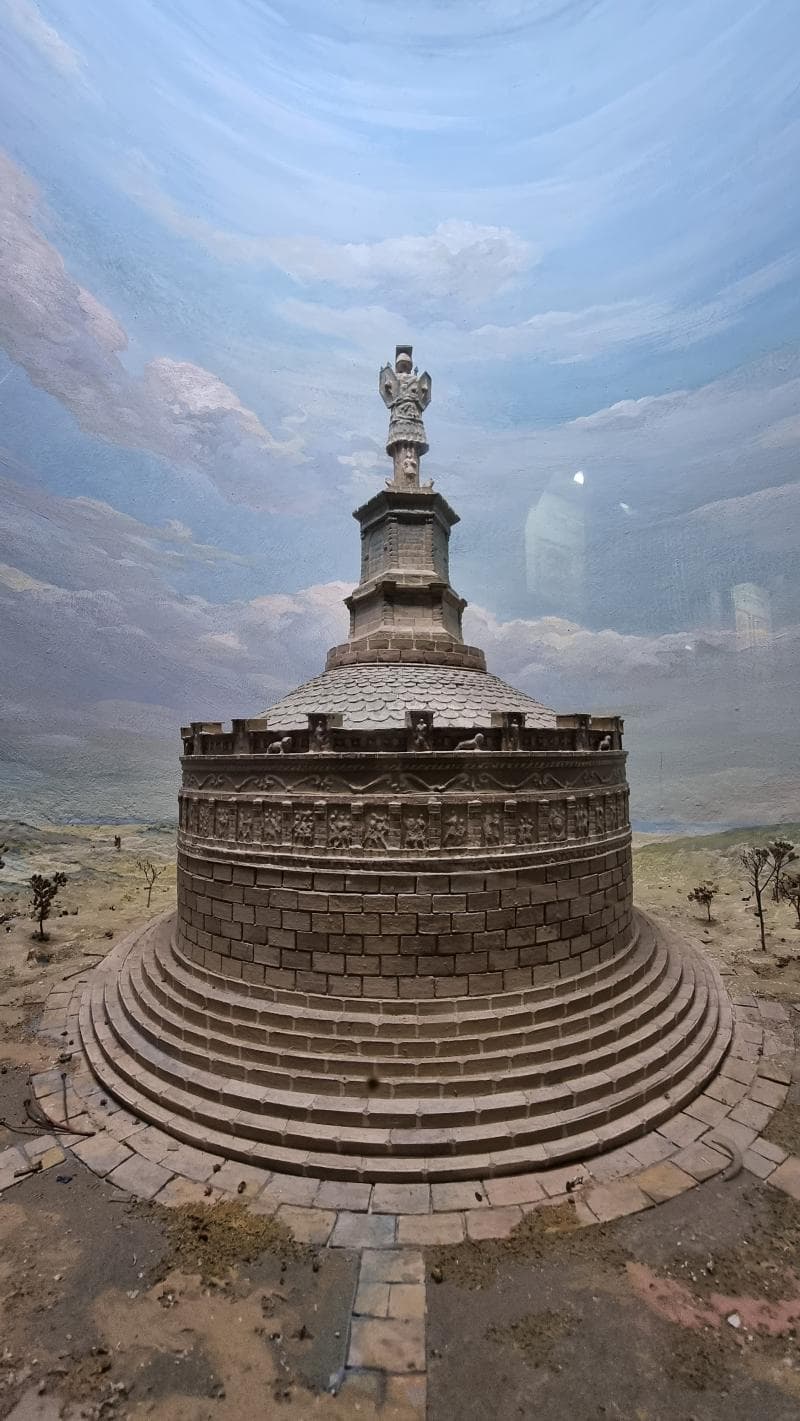
Explore the captivating dioramas at the National Museum Of Ethnography And Natural History in Chisinau, Moldova, showcasing the nation's diverse landscapes.
Overview
Nestled within the National Museum Of Ethnography And Natural History in Chisinau, Moldova, the 'Dioramas' exhibit offers a captivating journey through the country's diverse natural landscapes. This collection of stunning three-dimensional displays provides visitors with a vivid portrayal of Moldova's geographical zones, from ancient forests to winding river floodplains. As part of Moldova's oldest museum, the dioramas serve as a cornerstone of its permanent exhibition, 'Nature. Human. Culture.', highlighting the intricate relationship between the region's environment and its people. They are a testament to the rich biodiversity and geographical beauty that defines this Eastern European nation, crafted with artistic precision to transport observers directly into these natural settings.
The museum itself is a significant cultural institution, housed in a distinctive building on Mihail Kogălniceanu Street. It opened its doors in 1906, having evolved from an agricultural and industrial exhibition established in 1889. Today, its vast collections encompass natural history, ethnography, archaeology, and paleontology, making it a comprehensive repository of Moldova's heritage.
History & Cultural Background
The National Museum Of Ethnography And Natural History boasts a profound history, dating back to its foundation in October 1889. It began as the Agricultural and Industrial Exhibition of Bessarabia, an initiative that quickly laid the groundwork for a permanent museum institution. Over the decades, its focus broadened considerably, moving beyond agriculture to embrace the wider realms of natural history, the evolution of human society, and traditional culture within the region.
The current building, a notable architectural landmark, was specifically designed for the museum by architect V.N. Țiganco (also known as Vladimir Țîganco or Tsyganko), with construction completed in 1905 and its official inauguration in June 1906. Its design elements are considered a monument of national importance. The museum's continuous expansion of its collections, now totaling around 135,000 items, reflects its enduring commitment to preserving and showcasing Moldova's rich natural and cultural heritage. It has served as a vital scientific and cultural hub, even contributing to the establishment of other museums across Moldova.
What Makes It Special
The dioramas within the National Museum Of Ethnography And Natural History are truly exceptional, setting this exhibit apart. Described as 'absolutely beautiful' and 'stunning murals,' these four artistic panoramas vividly recreate the typical landscapes of Moldova's distinct geographical zones. Visitors can experience the undulating terrain of the Nistru Uplands, the dense greenery of the Woodlands, the fertile expanse of the Lower Prut Floodplain, and the wide-open spaces of the Bălți Steppe.
What makes these dioramas particularly special is their immersive quality. They are not merely static displays but are designed to transport the viewer into the heart of Moldova's natural ecosystems, showcasing the indigenous flora and fauna in their recreated habitats. This detailed presentation highlights the country's remarkable natural diversity and beauty. Furthermore, the collaborative artistic effort behind these works, involving talents like V. Zâkov, P. Belogorțev, and A. Bulâciov, underscores the dedication to both scientific accuracy and artistic expression in presenting Moldova's natural heritage.
Stories, Fun Facts & Local Details
The dioramas tell a compelling visual story of Moldova's natural evolution and ecological richness. Each scene is a meticulously crafted snapshot, freezing a moment in time to illustrate the characteristic features of a specific Moldovan region. For instance, the Woodlands diorama might subtly hint at the traditional forest-based crafts and livelihoods that have sustained communities for centuries, while the Lower Prut Floodplain could evoke images of the river's life-giving role in agriculture and local ecosystems.
While the museum is famous for its natural history exhibits, including the complete skeleton of a gigantic dinothere (Deinotherium proavum) that roamed Moldova millions of years ago, the dioramas provide a unique, accessible window into the country's current ecological identity. They serve as a tribute to Moldova's unspoiled natural beauty, fostering a deeper appreciation for conservation and the interconnectedness of life. The careful arrangement of each diorama, from the placement of taxidermied animals to the artistic rendering of plant life and geological features, invites close observation and reflection on the country's ecological tapestry.
Visitor Perspective
For any curious traveler visiting Chisinau, the 'Dioramas' exhibit offers an engaging and insightful experience. It provides a unique opportunity to grasp the geographical breadth and ecological depth of Moldova without traveling extensively across the country. Stepping into the diorama hall, visitors are met with realistic recreations that offer a sense of immersion, allowing them to visualize the varied landscapes that define Moldova.
These displays are particularly beneficial for those seeking to understand the natural context behind Moldova's rich ethnographic traditions, as the museum expertly links 'Nature, Human, Culture.' The dioramas complement the ethnographic sections by illustrating the environments that shaped the traditional ways of life, crafts, and customs of the Moldovan people. It's an exhibit that appeals to all ages, sparking wonder in children and providing valuable educational content for adults interested in natural sciences and regional geography. The visual storytelling within the dioramas makes them a memorable highlight of any visit to this esteemed Moldovan institution.
Coordinates: 28.81984652515977, 47.02326576678312
View on Google Maps💬 How Travelers Describe This Place
Based on community votes
Must See
915Unique
873Photogenic
477Interesting
422Beautiful
53
Traveler Stories
Discover memorable experiences shared by travelers who have visited this place.
No traveler stories yet.
Be the first traveler to share what made this place memorable.

Tour
By
Spot
Discover amazing places around the world. Your journey starts here.
Explore
© 2026 TourBySpot. All rights reserved.