Dioramas
Minsk, Belarus
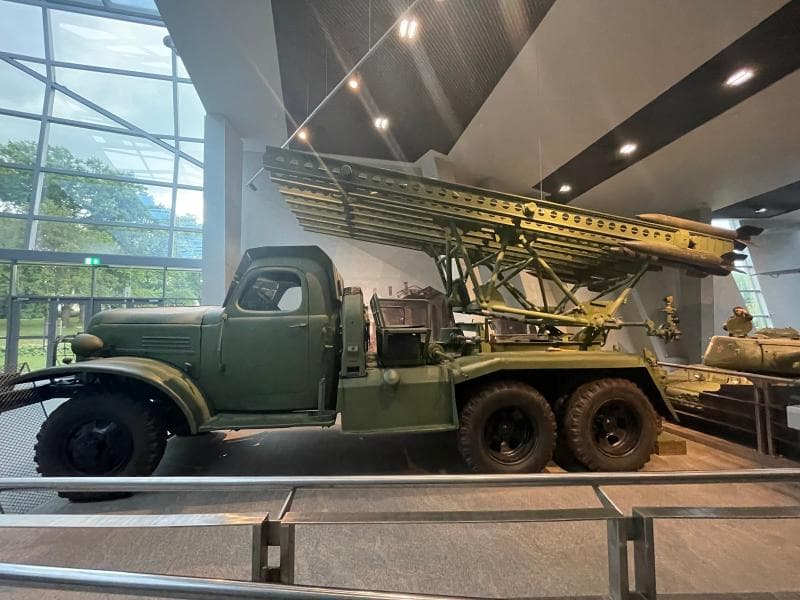
Explore the impactful dioramas at the Belarusian State Museum of the History of the Great Patriotic War in Minsk, Belarus, vividly portraying WWII scenes.
Overview
Stepping into the 'Dioramas' section of the Belarusian State Museum of the History of the Great Patriotic War in Minsk offers a deeply immersive journey into one of history's most pivotal and devastating conflicts. This world-renowned museum, established in 1943 during the war itself, is a profound testament to the suffering and heroism of the Belarusian people during what is known as the Great Patriotic War (World War II on the Eastern Front). Its current modern home, opened in July 2014, provides a fitting backdrop for the extensive collection housed within its ten exhibition halls. The dioramas, in particular, are designed to transport visitors directly into the heart of key historical moments, recreating battle scenes and everyday wartime life with remarkable detail. They form a crucial part of the museum's commitment to preserving memory and educating future generations about the immense human cost and unwavering spirit of resistance that defined this era.
History & Cultural Background
The Belarusian State Museum of the History of the Great Patriotic War holds a unique place in global history, being the first museum dedicated to World War II to open its doors even before the war concluded. Its origins trace back to 1943, when a decision was made to gather materials documenting the struggle against Nazi occupation. Initially, exhibits were sent through a gap in the front line to Moscow, eventually finding a permanent home in liberated Minsk in October 1944. The museum has evolved through several locations, culminating in its architecturally striking building at 8 Pobeditelei Avenue, adjacent to the 'Minsk – Hero City' Obelisk and part of the Victory Park complex. This modern facility, unveiled on the 70th anniversary of Belarus's liberation, symbolizes both the tragedy and triumph of the war. Belarus suffered immensely during the conflict, losing an estimated one-third of its population, totaling over 3 million people, including partisans and underground fighters. The museum's dioramas serve as vivid, three-dimensional narratives, bringing to life the harrowing experiences and critical junctures of a war that irrevocably shaped the nation's identity and its people's resilience.
What Makes It Special
The dioramas within the Belarusian State Museum are far from static displays; they are powerful, evocative art pieces crafted to immerse visitors in the wartime experience. These 'life-size dioramas' often feature meticulously dressed dummies in period uniforms, recreating tense battle scenarios or poignant scenes of partisan life. One notable diorama in the new exhibition, 'The Defense of Minsk 26 - 28 of June 1941,' was created by the renowned Studio of Military Artists M.B. Grekova from Moscow, specifically depicting the intense fighting in Zaslaue. Beyond individual scenes, these exhibits collectively tell the epic story of courage and resistance against overwhelming odds. The museum utilizes 'interactive displays and dioramas' to make the historical narrative engaging for all ages, bridging the gap between historical facts and emotional understanding. Their ability to convey the scale of battles, the harsh realities of occupation, and the determination of those who fought is truly what sets them apart, offering a visceral connection to events that might otherwise feel distant in textbooks.
Stories, Fun Facts & Local Details
The museum itself is a 'living' memorial, continuously collecting new artifacts; even today, it gains 700-800 priceless rarities each year, adding fresh layers to its already vast collection of over 145,000 items. The dioramas are more than just historical recreations; they are narratives woven with the threads of countless personal stories. They highlight the pivotal role Belarus played as a primary entry point for the Nazi army into Soviet territory, and the fierce resistance that ensued. Visitors can find 'haunting and detailed dioramas of major battles and partisan life,' which are crucial for understanding the widespread partisan movement in Belarus, one of the largest and most effective in occupied Europe. The inclusion of English translations, though sometimes imperfect, signifies the museum's effort to share Belarus's story with a global audience, making these powerful visual narratives accessible to international travelers. The museum’s iconic architectural design, with its four main blocks symbolizing the four years of war and the army fronts that liberated Belarus, further enhances the storytelling experience, creating a holistic memorial complex around the dioramas.
Visitor Perspective
For any traveler exploring Minsk, a visit to the Belarusian State Museum of the History of the Great Patriotic War, and particularly its dioramas, is an essential experience. The museum is not merely a collection of artifacts; it is a profound educational journey that aims to immerse you in the realities of the Great Patriotic War. The dioramas are central to this immersive experience, offering a realistic portrayal of historical events that can be both educational and deeply moving. As you walk through these carefully constructed scenes, you'll gain a tangible sense of the scale of the conflict and the human drama within it. The museum is located at 8 Pobeditelei Avenue, next to the impressive 'Minsk – Hero City' monument, within the serene Victory Park. The setting itself encourages reflection and remembrance. With over 8,000 exhibits spread across ten halls, including these powerful dioramas, it is advisable to allocate ample time for your visit. Even if historical war museums are not typically your primary interest, the emotional impact and the artistry of these displays are likely to leave a lasting impression, providing a unique insight into Belarusian resilience and a universal message about the costs of war and the importance of peace.
Coordinates: 27.5380439, 53.9161493
View on Google Maps💬 How Travelers Describe This Place
Based on community votes
Beautiful
897Photogenic
657Must See
605Unique
498Interesting
481
Traveler Stories
Discover memorable experiences shared by travelers who have visited this place.
No traveler stories yet.
Be the first traveler to share what made this place memorable.

Tour
By
Spot
Discover amazing places around the world. Your journey starts here.
Explore
© 2026 TourBySpot. All rights reserved.